
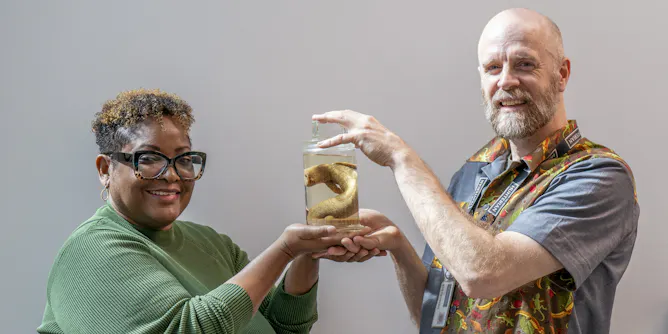
Not all reparations involve money. Returning unique scientific resources is also a way of showing respect and righting past harms.
Articles on Endangered species
Displaying 121 - 140 of 578 articles

When Labor took office, it promised to reverse nature’s decline. But that looks more and more like greenwashing
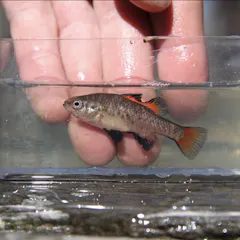
Reintroducing locally extinct species is a challenging affair, but with the right partnerships everyone can help make it happen.
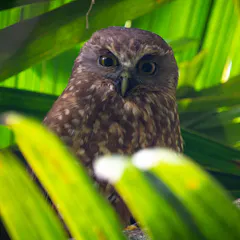
The sad case of the Norfolk Island morepork shows we need a way to control or eradicate invasive rodents without killing native species.
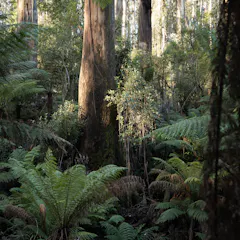
All the evidence – colonial accounts and records, First Peoples’ testimony and scientific data – points to the existence of widespread tall, dense forests 250 years ago.
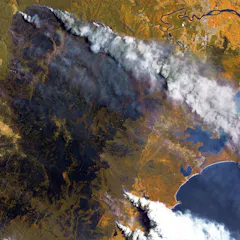
We compiled maps of bushfires and prescribed burns in southern Australia from 1980 to 2021 to see how fire activity is changing habitat for 129 threatened species such as mountain pygmy possums.

Young sharks are gathering at a popular beach. Here’s why we should skip our fear response and go for wonder – and protection
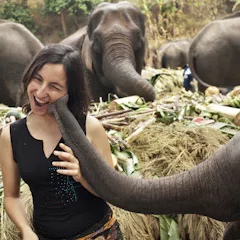
Even self-proclaimed ethical tourism programs can widen economic gaps and harm communities they claim to protect. Here are a few steps you can take as an ethical tourist.
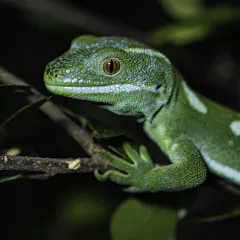
New Zealand’s plants and animals are globally unique and underpin primary production and tourism. The government’s fast-tracking proposal threatens to erode the natural capital the economy relies on.
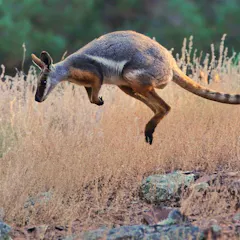
Conditions deteriorated in 2023 but were stlil relatively good for ecosystems and agriculture. Unfortunately, the alarming decline of threatened species continued.
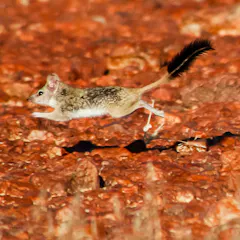
Blink and you’ll miss it. The kowari is a charismatic marsupial carnivore that needs our help.
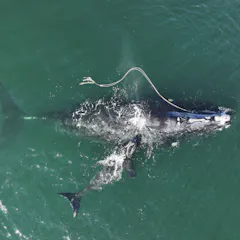
Even when female North Atlantic right whales survive entanglement in fishing gear, it may affect their future ability to breed, increasing the pressure on this critically endangered species.
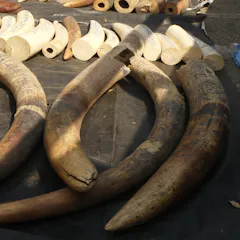
Forest elephants are endangered in Nigeria. Habitat protection, community awareness campaigns, research and stronger regulations could save them from going extinct.
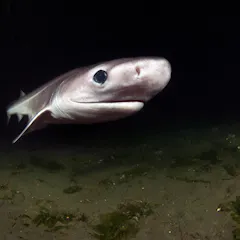
Long lifespans and slow reproduction rates make deep-water sharks and rays as vulnerable to overexploitation as whales once were. We must place them under protection to avoid extinctions.
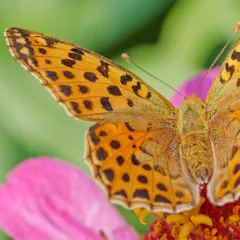
Climate change puts pressure on British butterflies and moths - sometimes pushing them to the edges of their geographical range or shifting the timing of their life cycle so they can’t feed.
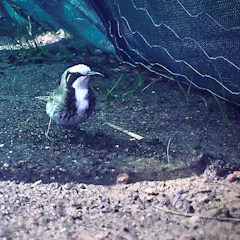
We need every tool at our disposal to stop feral cats and foxes from decimating Australia’s incredible wildlife after fires. Artificial refuges show promise.
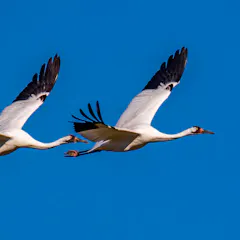
Nature knows no borders. While decline of threatened migratory animals is alarming, there are reasons to be optimistic about international conservation efforts.
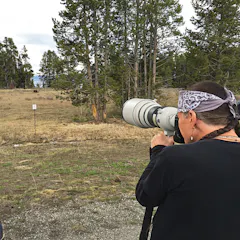
The caption may say that only scientists and trained professionals should handle wild animals, but viewers remember the image, not the words.

The native red admiral is less common than it used to be, but we can all help threatened bug species by ensuring they have the right habitats to thrive in.
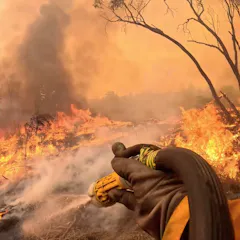
Survey respondents overwhelmingly prioritised saving a human life – even if that person had been repeatedly told to evacuate and even if, as a consequence, a snail or shrub species became extinct.
Top contributors
-

Professor in Conservation Science, School of the Environment, The University of Queensland
-
Professor in Wildlife Ecology and Conservation, School of Life & Environmental Sciences, Deakin University
-
Distinguished Professor of Ecology, Fenner School of Environment and Society, Australian National University
-
Professor of Environmental Management, The University of Queensland
-
Professor in Conservation Science, School of Ecosystem and Forest Science, The University of Melbourne
-
Professor of Conservation Biology, Charles Darwin University
-
ARC Future Fellow, Queensland University of Technology
-
Professor, Conservation Biology, The University of Queensland
-
Professor in Terrestrial Ecology, Deakin University
-
Lecturer, School of Environment and Science, Griffith University
-
Professor, Urban Ecology and Biodiversity, The University of Melbourne; RMIT University
-
Professor of Wildlife Conservation, Australian National University
-
University Fellow in Biodiversity, Charles Darwin University
-
Lecturer in Conservation, The University of Queensland
-
Professor of Conservation and Sustainable Livelihoods, Charles Darwin University