
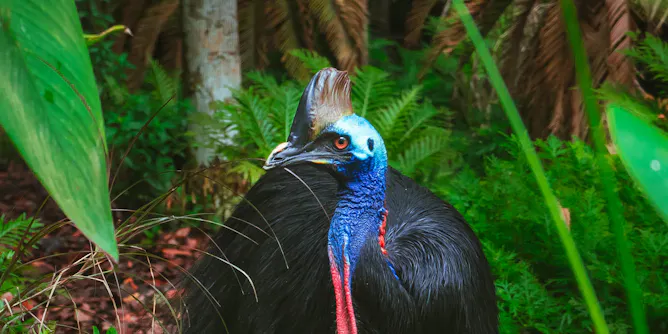
Dozens of species have been coaxed back from oblivion, with fenced havens, conserved habitat, islands and feral predator control vital.
Articles on Endangered species
Displaying 201 - 220 of 578 articles
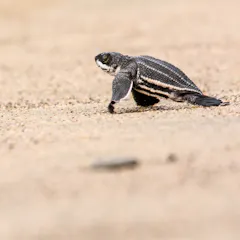
If environmental harm wrought by the port cannot be addressed, the project should not be allowed to proceed.
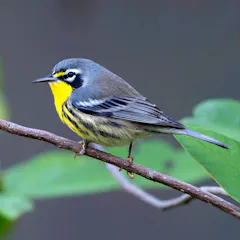
The Bahama warbler favours large pine trees and palms, fieldwork shows.
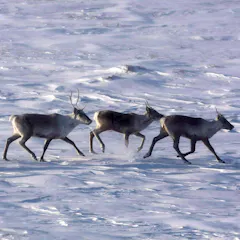
To guard against extinction, we must advocate for common species.
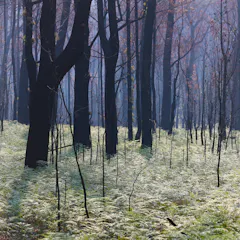
In one finding, fire authorities chose to save a few farm sheds over 5,000 hectares of national park. Clearly, our fire management needs a reset.

Our research looked at data from the government’s annual baking competition. Upon close analysis, we find a dangerous lack of diversity and biases towards cute, cuddly mammals.
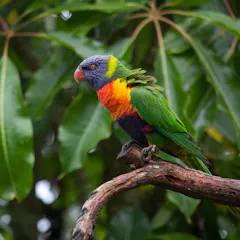
The pet trade has spurred a wave of bird imports, leading to escapes or even deliberate releases of exotic species into the wild. New research reveals the threat they now pose to native birds.
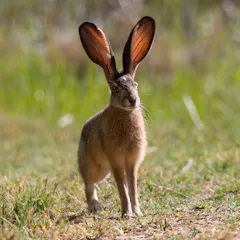
You might think of bunnies as ubiquitous, but it’s actually a relatively small group of species – and many of them are unique, little-known, and in trouble.

A new gecko species in New Zealand was named te mokomoko a Tohu in consultation with a local Māori tribe. This could be a good example for how taxonomists might approach the naming of new species.
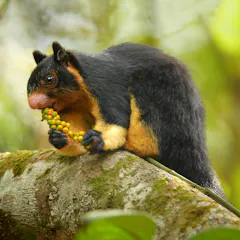
Rodents are the most numerous – and least studied – of all Earth’s mammals.
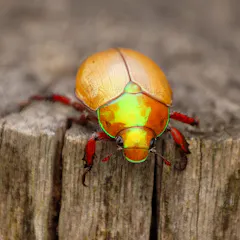
Wet weather is great for some species of bugs. But Christmas beetle swarms look to be a thing of the past
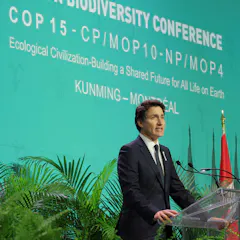
Global summits to arrest Earth’s deteriorating health look increasingly farcical.
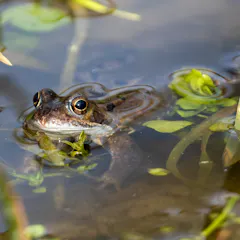
Nurturing habitats close to home can make a world of difference for wildlife.

Dendrobium orchids are familiar to most people in bouquets, but they are in high demand in China for use in traditional medicines. Can Beijing find ways to grow these threatened plants sustainably?
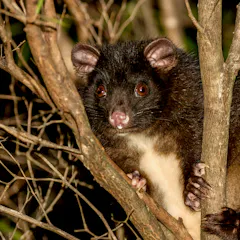
A new paper explores how a carefully controlled fuel reduction burn killed 17 critically endangered western ringtail possums.

The path of Plibersek’s big agenda stretches far beyond the one-term political horizon – and it’s fraught with dangers.
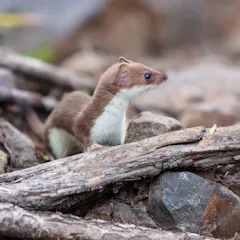
Polar bears and wolves may get the glory, but small predators like weasels, foxes and their cousins play outsized ecological roles. And many of these species are declining fast.
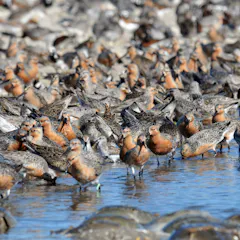
Governments, scientists and conservation groups are working to protect 30% of Earth’s land and water for nature by 2030. Two scientists explain why scale matters for reaching that goal.
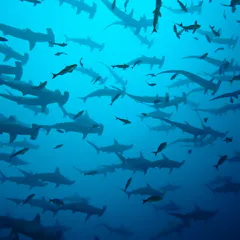
A study offers evidence that marine biology’s biggest stage is broken, and suggests ways to fix it.
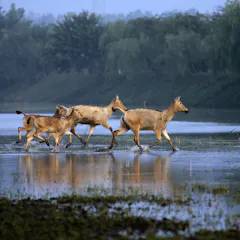
China has rich natural resources and is seeking to play a leadership role in global conservation, but its economic goals often take priority over protecting lands and wildlife.
Top contributors
-

Professor in Conservation Science, School of the Environment, The University of Queensland
-
Professor in Wildlife Ecology and Conservation, School of Life & Environmental Sciences, Deakin University
-
Distinguished Professor of Ecology, Fenner School of Environment and Society, Australian National University
-
Professor of Environmental Management, The University of Queensland
-
Professor in Conservation Science, School of Ecosystem and Forest Science, The University of Melbourne
-
Professor of Conservation Biology, Charles Darwin University
-
ARC Future Fellow, Queensland University of Technology
-
Professor, Conservation Biology, The University of Queensland
-
Professor in Terrestrial Ecology, Deakin University
-
Lecturer, School of Environment and Science, Griffith University
-
Professor, Urban Ecology and Biodiversity, The University of Melbourne; RMIT University
-
Professor of Wildlife Conservation, Australian National University
-
University Fellow in Biodiversity, Charles Darwin University
-
Lecturer in Conservation, The University of Queensland
-
Professor of Conservation and Sustainable Livelihoods, Charles Darwin University