
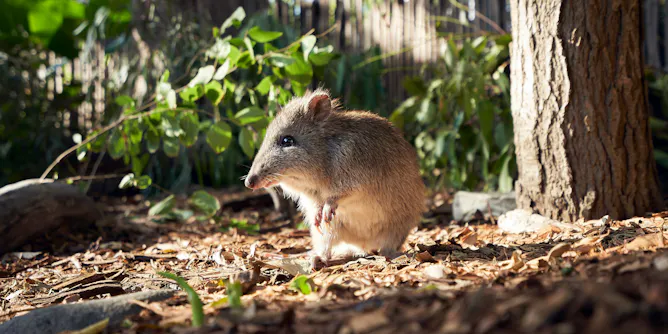
Reintroducing endangered species into the wild isn’t as straightforward as it seems. Sometimes it can go wildly wrong.
Articles on Endangered species
Displaying 61 - 80 of 578 articles

Every week, one or two species of Australian invertebrate go extinct. Many species on the brink live in cities – where we can help.

New research shows how Western science can support cultural burning to deliver benefits across cultures – as well as for nature.
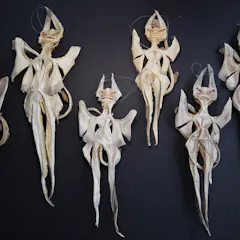
They look like devils and hence are called pez diablo in Spanish, but these demonic objects are dried and mutilated versions of living rays known as guitarfish.
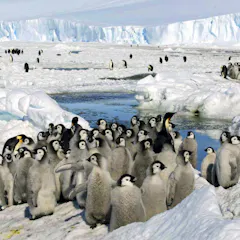
Emperor penguin populations are falling much faster than expected. Ice is melting beneath their chicks before they’re ready.
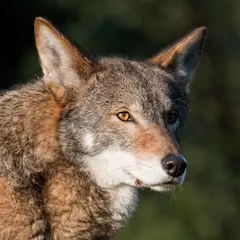
A legal scholar with a Ph.D. in wildlife genetics explains the promise biotechnology techniques hold for some animals that are currently endangered.
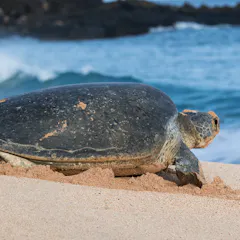
New research estimates that approximately 60 tonnes of plastic debris discarded in the ocean reside within female green turtles at any given time.
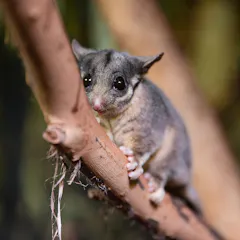
For decades, researchers have sought proof this critically endangered possum existed in New South Wales. Now it’s arrived by sheer chance
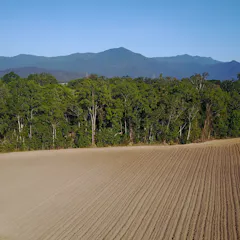
Hundreds of Australia’s unique species are clinging to life in small patches of habitat. Now researchers have found half of their habitat has no legal protection.

Wattled cranes breeding in wetlands is a clear sign that the wetland is healthy and thriving.
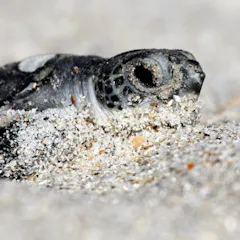
The Trump administration’s plan would leave many endangered species at much greater risk.

New research uses firefly flashing patterns to identify species and what they’re communicating.

New research found regrowth in Queensland provided valuable habitat after 15 years, on average, with some species benefiting from trees as young as 3 years of age.
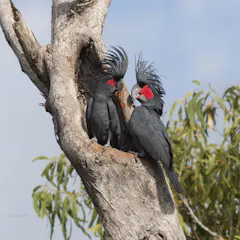
Three experts consider what’s required to protect and conserve Australia’s natural wonders, from fighting invaders to stopping habitat loss and saving species.

After shelving plans to reform Australia’s nature laws, the prime minister wants to walk back existing protections with new legislation introduced this week.
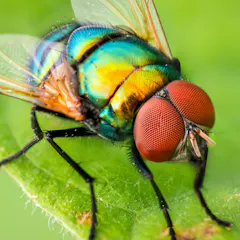
The number of insect species is mind-boggling – and they are a critical part of the environment.
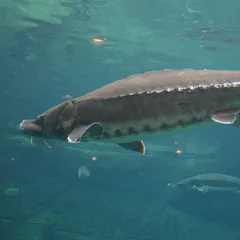
Research that combined archaeology, history and ecology provides a nuanced understanding of the past that could help conservationists better plan for the future.

Chimpanzees bear genetic adaptations that help them thrive in their different forest and savannah habitats. Some of the adaptations may protect against malaria.

“De-extinction” research is a poor alternative to helping ‘pre-extinction’ animals still alive today.
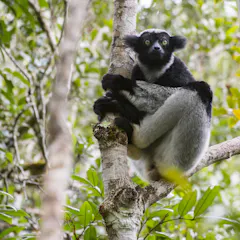
Lemurs show traits associated with resilience to living in a disaster-prone environment.
Top contributors
-

Professor in Conservation Science, School of the Environment, The University of Queensland
-
Professor in Wildlife Ecology and Conservation, School of Life & Environmental Sciences, Deakin University
-
Distinguished Professor of Ecology, Fenner School of Environment and Society, Australian National University
-
Professor of Environmental Management, The University of Queensland
-
Professor in Conservation Science, School of Ecosystem and Forest Science, The University of Melbourne
-
Professor of Conservation Biology, Charles Darwin University
-
ARC Future Fellow, Queensland University of Technology
-
Professor, Conservation Biology, The University of Queensland
-
Professor in Terrestrial Ecology, Deakin University
-
Lecturer, School of Environment and Science, Griffith University
-
Professor, Urban Ecology and Biodiversity, The University of Melbourne; RMIT University
-
Professor of Wildlife Conservation, Australian National University
-
University Fellow in Biodiversity, Charles Darwin University
-
Lecturer in Conservation, The University of Queensland
-
Professor of Conservation and Sustainable Livelihoods, Charles Darwin University