
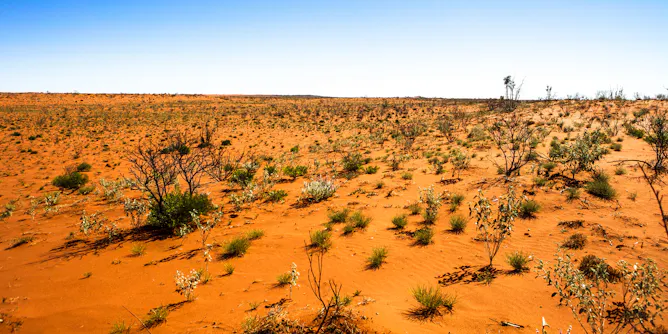
This fictitious project approval helps us better understand how environmental governance in Australia has gone badly wrong.
Articles on Endangered species
Displaying 241 - 260 of 578 articles
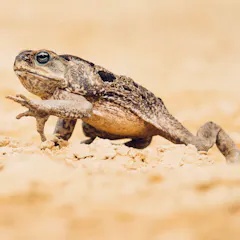
The simulation showed catching cane toads once a week involved 85% less cost and effort than other strategies, but was just as effective.

Greater gliders are fluffy, cat-sized possums with large ears. State governments have failed them at every turn, and continue to raze their habitat.
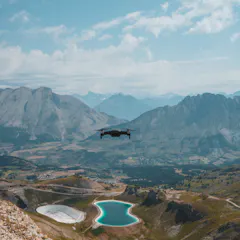
From discovering hidden populations of vulnerable newts to dropping “seed bombs”, two new research papers show how genomics and drones help restore threatened ecosystems.

The recent goring of a tourist who approached within 10 feet of a bison in Yellowstone National Park is a reminder that wild animals can be dangerous and people should keep safe distances.
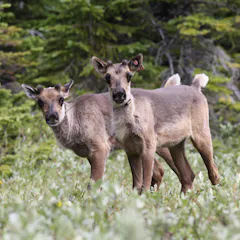
An Indigenous-led effort to increase caribou abundance and cultural practices like hunting is successfully increasing the caribou population
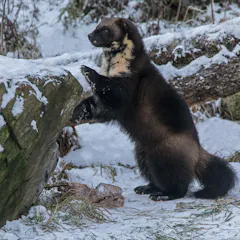
The key to protecting wolverines around the world is to reduce trapping, minimize predator control pressures, and to protect and connect large blocks of intact habitat they need to survive.
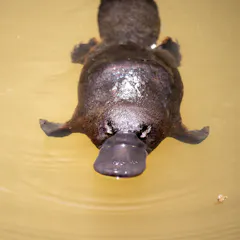
We don’t have to passively sit back and watch Australia’s species and ecosystems die. Here are five concrete steps the next government should take.
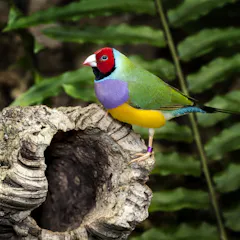
The goal of our new web app is to help users engage with their elected representatives and put imperilled species on the political agenda this election and beyond.
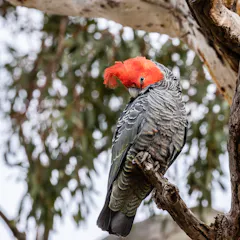
The fate of nature underpins our economy and health. Yet in the election campaign to date, there’s been a deafening silence about it.

Tourism revenues account for almost 10% of Costa Rica’s gross domestic product. New research shows that charismatic wildlife is necessary but not sufficient to attract ecotourists.
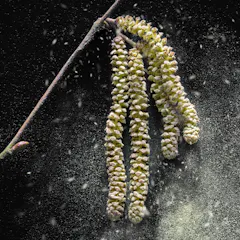
Pollen brings seasonal misery to millions of Americans, but it serves a critical purpose: fertilizing many kinds of plants, including food crops.
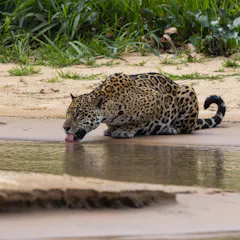
Keeping landscapes connected can help protect wild animals and plants. In the US Southwest, border wall construction is closing off corridors that jaguars and other at-risk species use.
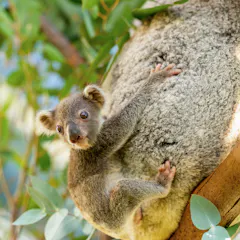
Captive breeding of koalas could be done much more cheaply and avoid inbreeding issues if we embrace assisted reproduction.
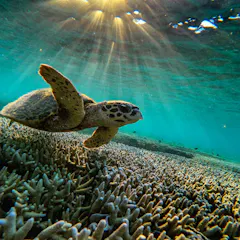
Many of Africa’s large aquatic animals, such as dolphins, manatees and turtles, are being killed for meat.
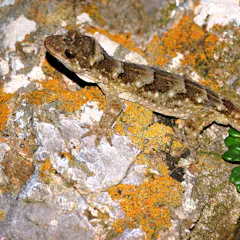
Biologists have used ancient DNA, preserved in fossil bones for millennia, to study the evolution of large species, but now they can employ it to study small animals like lizards and frogs.
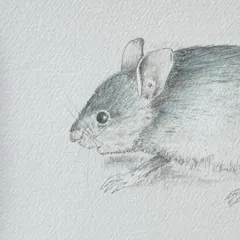
Only three specimens of the blue-grey mouse ever existed, and two are lost. We plunged into a search for the third, in the hope we might find the species isn’t extinct at all – just missing.
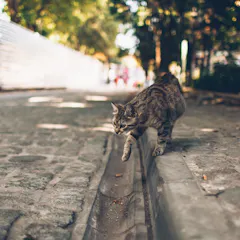
A new study shows that when free-ranging cats are more than a few blocks from forested areas in cities, such as parks, they’re more likely to prey on rats than on native wildlife.
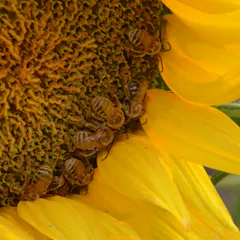
Huge single-crop fields attract bees in such numbers that they spread parasites to one another. Planting diverse mixes of flowers around fields helps spread out pollinators and keep them healthy.
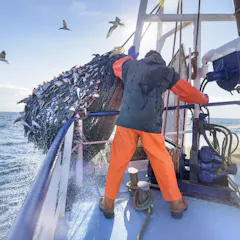
Technology and regulation have solved some issues with bycatch. To reduce damage to marine life further, we can harness the skills of our best fishers.
Top contributors
-

Professor in Conservation Science, School of the Environment, The University of Queensland
-
Professor in Wildlife Ecology and Conservation, School of Life & Environmental Sciences, Deakin University
-
Distinguished Professor of Ecology, Fenner School of Environment and Society, Australian National University
-
Professor of Environmental Management, The University of Queensland
-
Professor in Conservation Science, School of Ecosystem and Forest Science, The University of Melbourne
-
Professor of Conservation Biology, Charles Darwin University
-
ARC Future Fellow, Queensland University of Technology
-
Professor, Conservation Biology, The University of Queensland
-
Professor in Terrestrial Ecology, Deakin University
-
Lecturer, School of Environment and Science, Griffith University
-
Professor, Urban Ecology and Biodiversity, The University of Melbourne; RMIT University
-
Professor of Wildlife Conservation, Australian National University
-
University Fellow in Biodiversity, Charles Darwin University
-
Lecturer in Conservation, The University of Queensland
-
Professor of Conservation and Sustainable Livelihoods, Charles Darwin University