
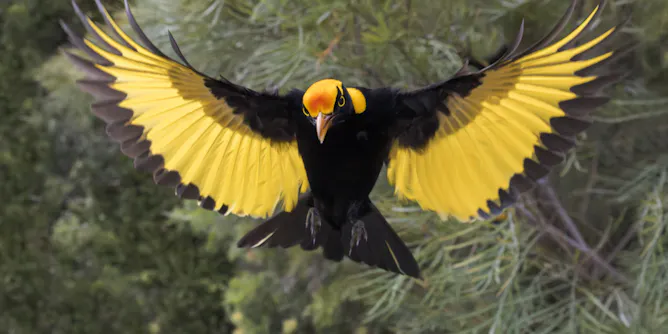
New Zealand’s ancient bowerbird was smaller and more slender than the species living in Australia and New Guinea today.
Articles on Conservation
Displaying 141 - 160 of 1596 articles
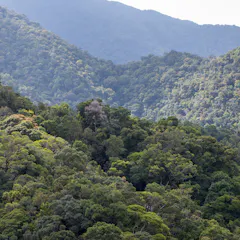
The woody biomass of Australia’s tropical rainforests has already switched from carbon sink to carbon source – and the reason is climate change.
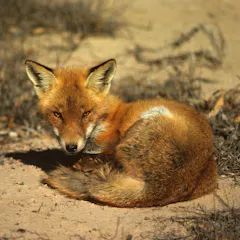
It only took 60 years for the red fox to spread across Australia. New research could prevent other invasive animals doing the same.

Globally important natural areas such as Ningaloo and Shark Bay have been hard hit in recent years. But Macquarie Island is recovering.

Many of these extraordinary places are increasingly at risk due to escalating climate change, invasive species, and and a lack of consistent funding to protect them.
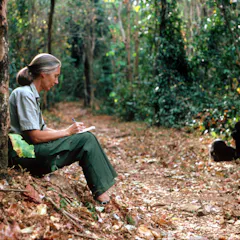
Jane Goodall showed tremendous courage in charting her own course as a pioneering researcher – and working to spread hope wherever she went.
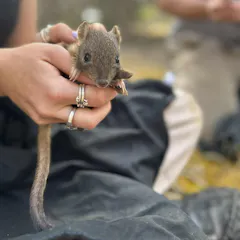
Predatory foxes and cats prowl South Australia’s national parks. But the successful reintroduction of an endangered bettong proves coexistence is possible.

The new technology will help scientists monitor and protect some of Australia’s most iconic and threatened forest species.

It’s not every day that you see a 4-foot-tall bird, but it’s happening more often. Several fascinating species are nesting in and near towns once again.
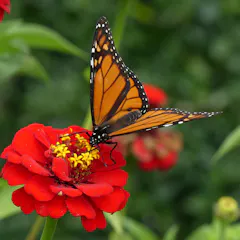
Climate stability and economic health depend on biodiversity. Yet this foundation is hardly mentioned as the federal government seeks to shore up Canada’s economic future.
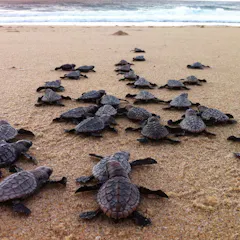
Little is known about the early life of sea turtle hatchlings but a modelling study shows the importance of ocean currents in their journeys.

Many Australian birds and animals rely on hollows in grand old trees. As these trees dwindle, researchers are experimenting with giving younger trees old features.
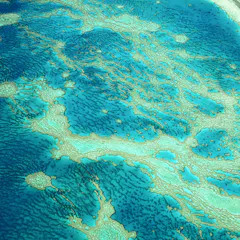
In the late 1960s, oil and gas companies began exploring the Great Barrier Reef for oil. It took campaigners, unionists and a royal commission to protect the reef.
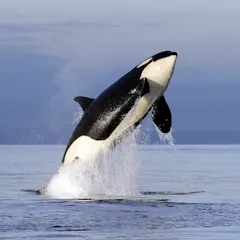
Public and political conversations about environmental management often reduce complex issues to binary opposing opinions.

This new project has strong potential to be scaled up and delivered in other land and cultural heritage management contexts.
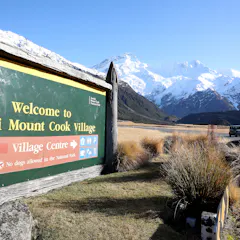
Charging entry fees at world-famous destinations like Milford Sound and expanding commercial use of public land would raise money. How it’s spent is the challenge.

New research suggests dingoes are distinct enough to have their own scientific name. If this is accepted, it will have far-reaching consequences
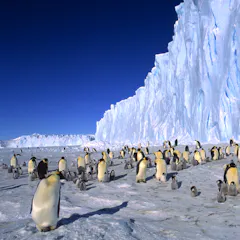
The vast ice of Antarctica has long seemed impregnable. But sudden changes are arriving – from shrinking sea ice to melting ice sheets and slowing ocean currents.
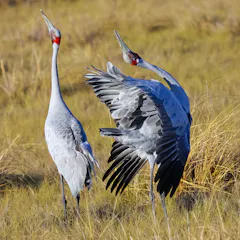
It’s entirely possible to see shy mountain pygmy-possums, alpine dingoes or furry cuscus with your own eyes – if you know where to go and how to look.

Advances in imaging, text recognition and machine learning are transforming what can be done with collections of plants and fungi in herbaria and museums globally.
Top contributors
-

Professor in Wildlife Ecology and Conservation, School of Life & Environmental Sciences, Deakin University
-
Professor in Conservation Science, School of the Environment, The University of Queensland
-
Distinguished Professor of Ecology, Fenner School of Environment and Society, Australian National University
-
Professor of Conservation Biology, Charles Darwin University
-
Professor, Conservation Biology, The University of Queensland
-
Professor of Environmental Management, The University of Queensland
-
Professor of Conservation and Sustainable Livelihoods, Charles Darwin University
-
Distinguished Research Professor and Australian Laureate, James Cook University
-
Lecturer in the School of Applied Sciences, Edinburgh Napier University
-
Professor in Conservation Science, School of Ecosystem and Forest Science, The University of Melbourne
-
University Fellow in Biodiversity, Charles Darwin University
-
Professor of Wildlife Conservation, Australian National University
-
Professor in Ecology, Charles Sturt University
-
Professor in Terrestrial Ecology, Deakin University
-
Matthew Flinders Professor of Global Ecology and Node Leader in the ARC Centre of Excellence for Indigenous and Environmental Histories and Futures, Flinders University