
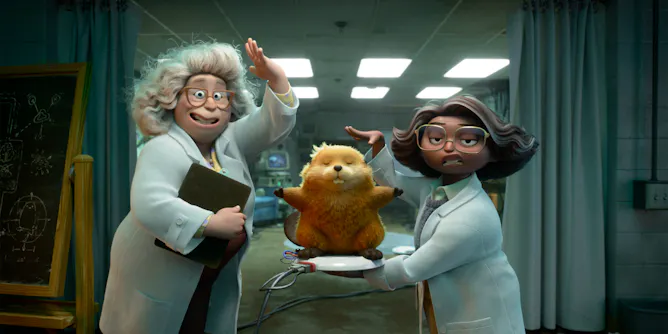
The new Disney/Pixar film Hoppers may seem like standard animated fare. But it reflects real scientific themes and philosophies.
Articles on Conservation
Displaying 101 - 120 of 1596 articles
Citizen science relies on people like you. Here are five projects where science lives beyond the lab.
After almost 60 years, scientists have been able to prove an influential theory that wet eucalypt forest regrowth is more fire prone.

A global butterfly index could help track butterfly populations worldwide and how environmental changes are impacting them.
We’ve committed to protect 30% of our lands and waters by 2030. But our endangered species are still struggling, according to four environmental scientists.
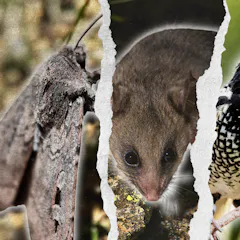
The federal government needs to drop the spin and get on with the hard work of addressing biodiversity loss.
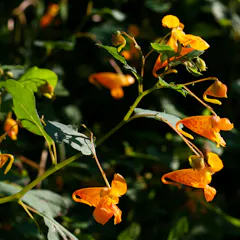
Genetic signatures help uncover the echoes of the past events in the histories of jewelweed populations, and understand their genetic implications for conservation.
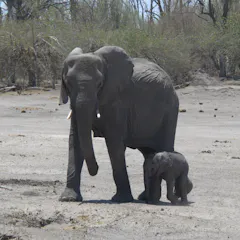
Animals on land and sea use sound for different purposes – and alterations in their environment can change the effect it has

Debates over responsibility for past species loss generate heat but little light. Moving forward requires context, evidence and Indigenous knowledge.
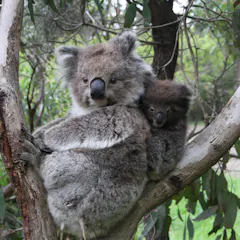
Population crashes are dangerous and can be irreversible. But new research shows they are not always an evolutionary dead end.

Australia’s huge diversity of reptiles could be at risk from new fungal diseases.
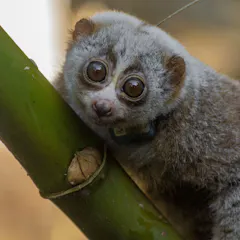
Many wild animals die when well meaning locals and tourists set them free.

New research shows how these storytelling choices can distort science – and how to move beyond them.
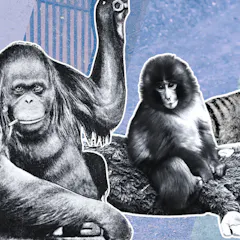
From the last thylacine to Mollie the drinking, smoking orangutan, little Punch the monkey is the latest in a long line of lonely zoo animals.
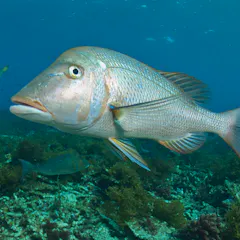
New research found this approach meant an increase in spawning fish. This is good news for fishers.
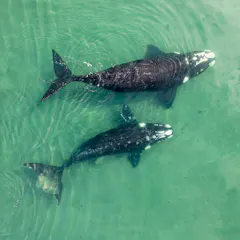
This reproductive slow down seems closely linked to climate-driven changes in the remote Southern Ocean.

Studying how much soil herbivores eat shows which species are vulnerable to toxic element exposure from natural or human sources – a useful guide for conservation.
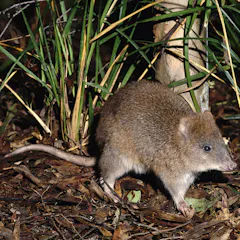
Long-footed potoroos dig up and eat many truffle-like fungi, spreading spores and keeping vital fungi-forest relationships healthy.
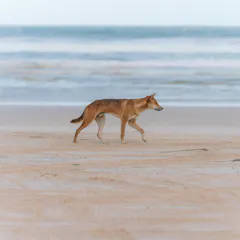
Following the death of a young backpacker, the Queensland government has killed dingoes seen near her body. But will this cull protect tourists?
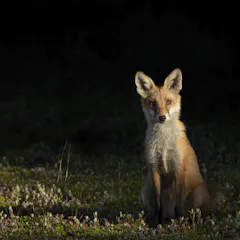
Decades of evidence link foxes and feral cats with extinctions of Australian mammals. Claims these introduced predators aren’t responsible don’t stack up.
Top contributors
-

Professor in Wildlife Ecology and Conservation, School of Life & Environmental Sciences, Deakin University
-
Professor in Conservation Science, School of the Environment, The University of Queensland
-
Distinguished Professor of Ecology, Fenner School of Environment and Society, Australian National University
-
Professor of Conservation Biology, Charles Darwin University
-
Professor, Conservation Biology, The University of Queensland
-
Professor of Environmental Management, The University of Queensland
-
Professor of Conservation and Sustainable Livelihoods, Charles Darwin University
-
Distinguished Research Professor and Australian Laureate, James Cook University
-
Lecturer in the School of Applied Sciences, Edinburgh Napier University
-
Professor in Conservation Science, School of Ecosystem and Forest Science, The University of Melbourne
-
University Fellow in Biodiversity, Charles Darwin University
-
Professor of Wildlife Conservation, Australian National University
-
Professor in Ecology, Charles Sturt University
-
Professor in Terrestrial Ecology, Deakin University
-
Matthew Flinders Professor of Global Ecology and Node Leader in the ARC Centre of Excellence for Indigenous and Environmental Histories and Futures, Flinders University