
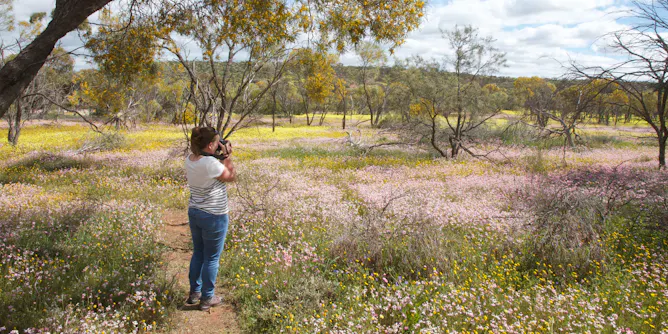
It feels harmless to share a photo of a rare species. But social media can drive great damage to nature, from poaching to baiting to trampling.
Articles on Conservation
Displaying 341 - 360 of 1596 articles
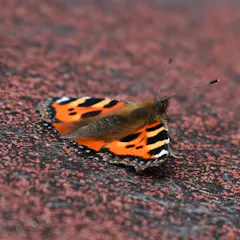
Butterflies bruised by rain and gales are hunkering down hoping for pleasant weather.
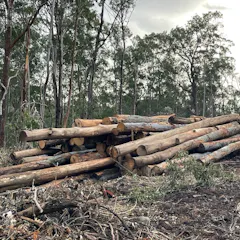
Shifting from native forest logging to sustainable plantations will help protect these essential forests and the many threatened species that depend on them.
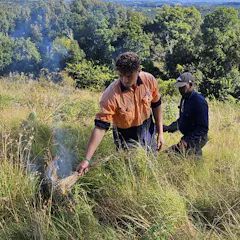
Many Indigenous people want to help protect their traditional lands. That requires deciding which species and habitat matter most to them.
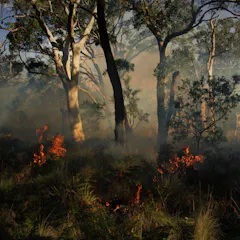
Efforts by First Nations groups to thin dense forest regrowth have come under fire in Victoria. The solution isn’t to restore “wilderness” – it’s to manage Country.
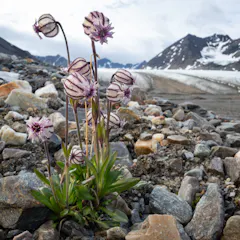
From the Arctic to the Himalayas, New Zealand and even Mexico, glaciers worldwide are retreating. But what happens when the ice is gone?
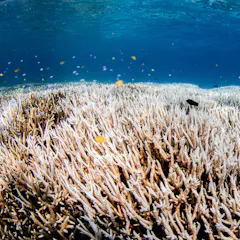
Coral restoration is, at best, a feel-good measure – and at worst, a dangerous distraction from climate action.
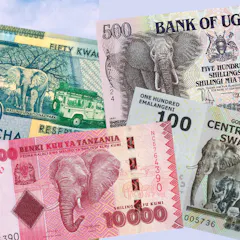
What do you know about your national currency? How about the cash used overseas? We studied wildlife imagery on banknotes around the world. Here’s what we found.
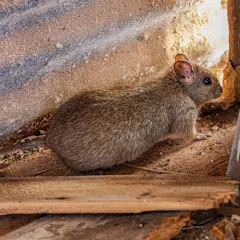
An endangered rodent and a thorny, impenetrable weed doesn’t sound like a good match. But stick-nest rats have made homes out of African boxthorn
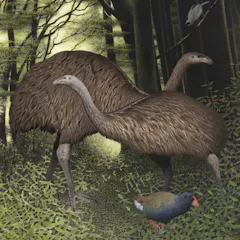
Reconstructing the demise of New Zealand’s extinct moa can help conserve the country’s remaining flightless birds, which are retreating to the same final places - cold, isolated mountaintops.
A new report challenges the notion that repairing our continent is a task too big and expensive to tackle.
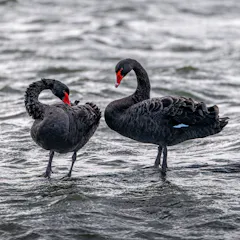
The lethal strain of highly pathogenic bird flu is everywhere – except Australia, New Zealand and the Pacific Islands. Here’s how we’re planning for its arrival
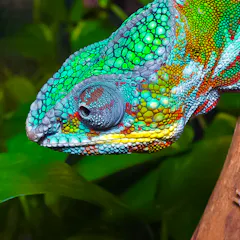
Invasive alien species become much harder and more expensive to manage as they establish and spread through the landscape. So preventing their arrival is vital.
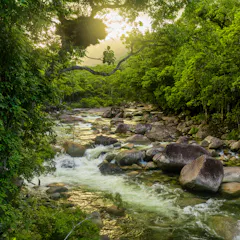
Australia’s ancient Wet Tropics are enormously rich in species. But these tight-knit ecosystems might be at risk from cascading extinctions
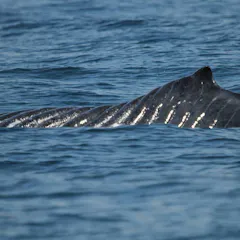
Recent sightings of Bladerunner the humpback and Split Fin the killer whale provide an opportunity to remind everyone to keep their distance and avoid collisions with majestic marine mammals.
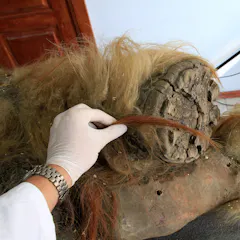
Thousands of years ago, a woolly mammoth died in Siberia. Its fragile DNA underwent a remarkable transformation, and we can still analyse it today.
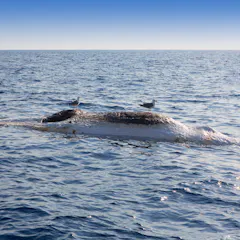
Whale strandings are undoubtedly sad events. But with the help of science, the body can be disposed of in a way that doesn’t harm nature or people.
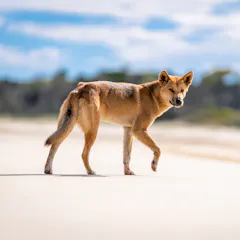
Dingo DNA study reveals an ancient population split and surprisingly recent links to New Guinea singing dogs.
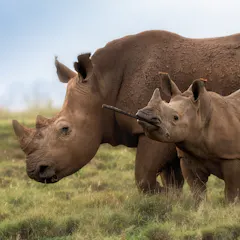
In South Africa, huge stockpiles of rhino horn are kept, even though there’s a global ban on trading it.
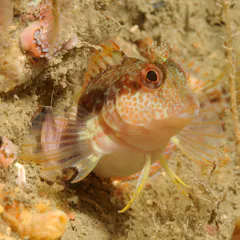
Although marine conservation around Britain has shown some success, many of the tools that are in use today are irrelevant, or missing entirely.
Top contributors
-

Professor in Wildlife Ecology and Conservation, School of Life & Environmental Sciences, Deakin University
-
Professor in Conservation Science, School of the Environment, The University of Queensland
-
Distinguished Professor of Ecology, Fenner School of Environment and Society, Australian National University
-
Professor of Conservation Biology, Charles Darwin University
-
Professor, Conservation Biology, The University of Queensland
-
Professor of Environmental Management, The University of Queensland
-
Professor of Conservation and Sustainable Livelihoods, Charles Darwin University
-
Distinguished Research Professor and Australian Laureate, James Cook University
-
Lecturer in the School of Applied Sciences, Edinburgh Napier University
-
Professor in Conservation Science, School of Ecosystem and Forest Science, The University of Melbourne
-
University Fellow in Biodiversity, Charles Darwin University
-
Professor of Wildlife Conservation, Australian National University
-
Professor in Ecology, Charles Sturt University
-
Professor in Terrestrial Ecology, Deakin University
-
Matthew Flinders Professor of Global Ecology and Node Leader in the ARC Centre of Excellence for Indigenous and Environmental Histories and Futures, Flinders University