

A recent study has found that seafood mislabelling is running rampant in Calgary, and that certain product names are more likely to hide species of conservation concern.
Articles on Conservation
Displaying 301 - 320 of 1596 articles
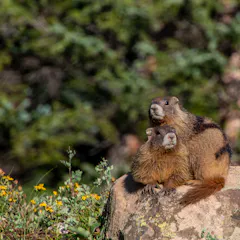
New research finds that marmots who experience adversity early in life have a lesser chance of survival.
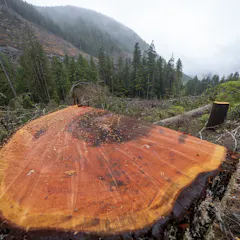
Canada’s existing species at risk legislation fails at protecting its most vulnerable inhabitants. More robust protections are needed.

The invasive spiny water flea is spreading fast across Canada. Awareness is key to curtailing its growth.
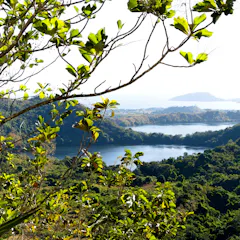
Islands cover just 5.3% of the world’s land area, but contribute disproportionately to global biodiversity, according to research published in Nature.

Ocean eddy currents are driving extreme heat and cold events in the deeper sea, home to the world’s most abundant animal and its largest migration
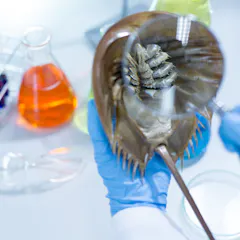
The genetic codes of plants and animals are stored in global databases, often without proper compensation to the countries where they originated. A potential solution will be discussed at Cop16.

We’re discovering more species of richly coloured peacock spiders all the time. But their small ranges puts them at very real risk. One species faces likely death by suburban sprawl.

In the 1940s, RAAF planes took aerial photographs of the Great Sandy Desert, capturing something valuable: the patterns of burning performed by our ancestors over generations.
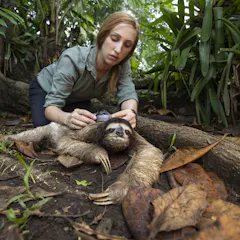
Highland sloths are not able to slow their metabolic rate like lowland sloths when temperatures get too hot.
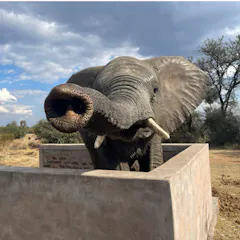
African savannah elephant numbers are surging. But for farmers in elephant territory, that can spell disaster. To solve human-elephant conflict, we might need to use smell.

For decades, presidential candidates from both major parties have committed to cleaning up and protecting the Great Lakes. Here’s why.
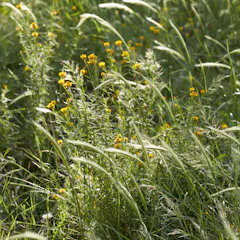
A project in Melbourne’s Royal Park has proved city parks and streets can be used as sites for nature repair that help endangered ecosystems and species to survive.
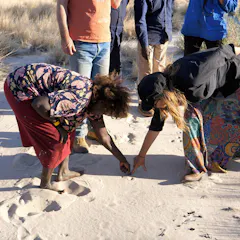
Footprints, droppings, diggings and other signs left behind by animals reveal a lot to a skilled observer. Indigenous knowledge feeds into one of Australia’s largest wildlife monitoring endeavours.
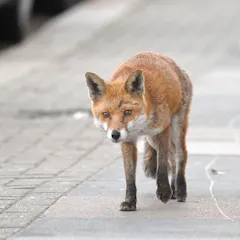
A recent study tested whether messages about bolder urban foxes are biasing how people feel about them.
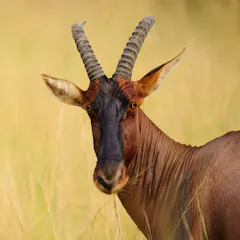
New model can show what’s driving the decline in populations of large mammals.
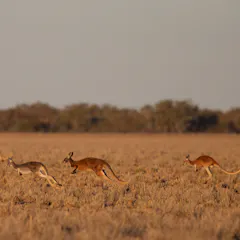
Have you ever paused to think about the athletic abilities of Australian wildlife? Let’s look at some of our best competitors and how might they fare in a contest against humans and overseas entrants.
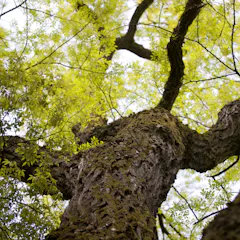
Invasive species are not always harmful; some can even provide key benefits to native habitats in an era of climate change. Canadian conservation efforts should embrace the movement of species.

Research finds that extensive feeding by invasive insects can cause trees to produce defense compounds, to the detriment of valued native insects.
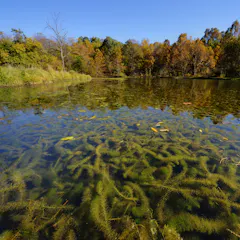
Freshwater ecosystems in Canada, and around the world, are more fragile than they look and vulnerable to invasive species. Canada’s lakes and rivers require constant vigilance to protect from invasion.
Top contributors
-

Professor in Wildlife Ecology and Conservation, School of Life & Environmental Sciences, Deakin University
-
Professor in Conservation Science, School of the Environment, The University of Queensland
-
Distinguished Professor of Ecology, Fenner School of Environment and Society, Australian National University
-
Professor of Environmental Management, The University of Queensland
-
Professor of Conservation Biology, Charles Darwin University
-
Professor, Conservation Biology, The University of Queensland
-
Professor of Conservation and Sustainable Livelihoods, Charles Darwin University
-
Distinguished Research Professor and Australian Laureate, James Cook University
-
Lecturer in the School of Applied Sciences, Edinburgh Napier University
-
Professor in Conservation Science, School of Ecosystem and Forest Science, The University of Melbourne
-
University Fellow in Biodiversity, Charles Darwin University
-
Professor in Terrestrial Ecology, Deakin University
-
Professor of Wildlife Conservation, Australian National University
-
Professor in Ecology, Charles Sturt University
-
Matthew Flinders Professor of Global Ecology and Node Leader in the ARC Centre of Excellence for Indigenous and Environmental Histories and Futures, Flinders University