
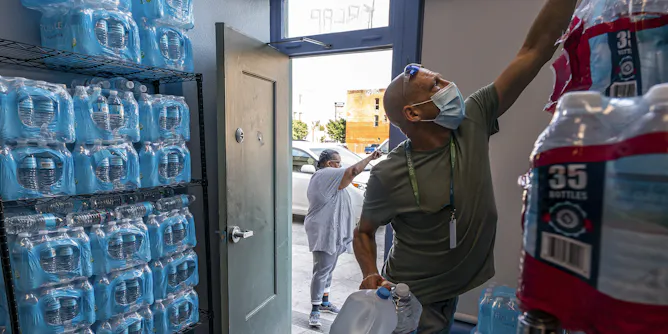
A new report lays out steps communities can take to help their residents survive heat waves as the risk of dangerous temperatures rises.
Articles on Natural disasters
Displaying 201 - 220 of 703 articles
FEMA runs the largest managed retreat program in the country, Two disaster response experts looked at the demographics of who gets those buyouts and where they go.

Creating a federal agency — let’s call it the Emergency Management Agency of Canada or EMAC — would support comprehensive emergency management as Canada faces more and more natural disasters.

A ‘greenhushing’ campaign is targeting insurers, who have the power to accelerate the transition to cleaner energy in how they write policies and invest.
It’s not a question of if insurance will become unavailable or unaffordable in areas at high risk of wildfires, hurricanes and other damage – it’s a question of when. A disaster risk expert explains.
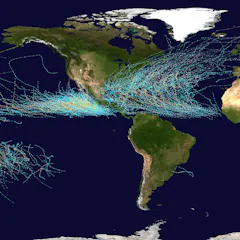
El Niño years put Hawaii and the Mexican Riviera on alert for destructive tropical storms and hurricanes.

High-risk, high-uncertainty events like earthquakes tend to fall out of view when we are occupied with more predictable seasonal events like wildfires, which have very visible effects on our lives.
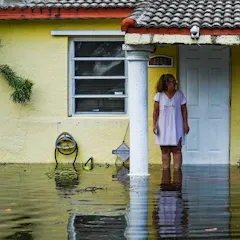
Nationally, 57% of the population says they’re not prepared for a flood disaster. Surveys and disasters show that those most at risk are least prepared.
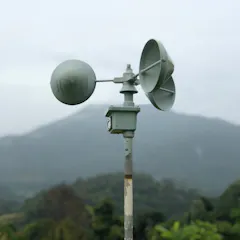
Do record-breaking wind speeds mean a particularly catastrophic storm? Not always – and it can be tricky to get precise measurements.
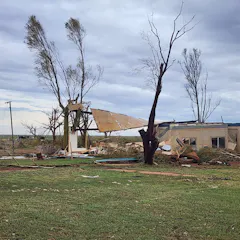
The housing crisis coupled with climate change could see more people living in the kinds of shanty towns and tent cities seen around the time of the Great Depression.

When government responses to a natural disaster do not address the specific needs and vulnerabilities of women and girls, women tend to lose trust in the institutions.
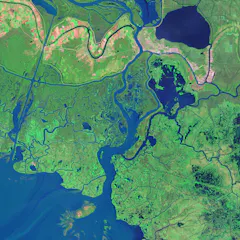
Time-lapse animations that once took days to create are now easy to build with publicly available satellite images and free online tools.
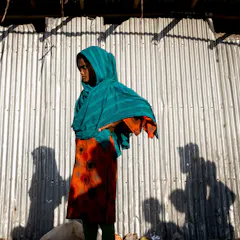
Why the UN Refugee Convention should be updated to protect climate migrants.
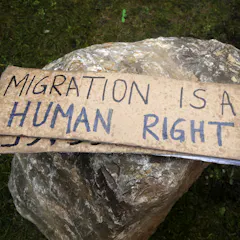
Recognizing the challenges posed by climate-induced displacement is important. But officials must avoid rhetoric about displaced people that can fuel xenophobia.
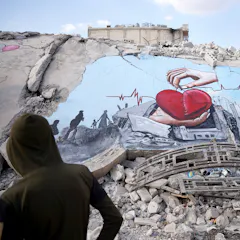
Food, shelter and medical supplies are important but not the only things that help people get back on their feet.
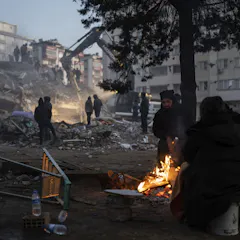
The focus of efforts to save the lives of earthquake victims needs to shift to the emerging threats from disease and lack of clean water and shelter.
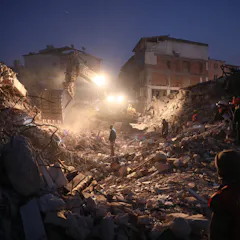
Turkey has repeatedly attempted to improve its earthquake preparedness. So what went wrong?
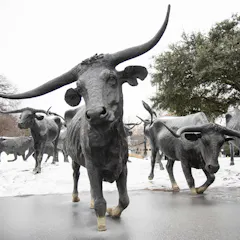
Texas wasn’t prepared to keep the lights on during Winter Storm Uri, and it won’t be ready for future cold weather unless it starts thinking about energy demand as well as supply.
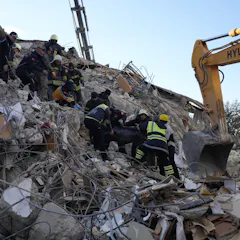
Twitter was blocked in Turkey for about 12 hours at the height of rescue and relief efforts in the aftermath of a massive earthquake, severely hampering a vital tool for disaster response.
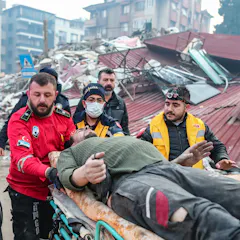
The window of survival after an earthquake is narrow and there are three top priorities for aid workers.
Top contributors
-

Professor of Geology and Environmental Geosciences, University of Dayton
-
Honorary Professor of Hazards and Disaster Risk Sciences, University of Sydney
-
Professor of Climate Science, UMass Lowell
-
Associate Professor of Landscape Architecture and Urban Planning, Texas A&M University
-
Professor of Disasters and Health, UCL
-
Professor Emeritus of Geography, Louisiana State University
-
Clinical Assistant Professor of Education, Health and Behavior Studies, University of North Dakota
-
Professor of Political Science, Public Policy and Urban Affairs, Northeastern University
-
Scientia Professor and ARC Laureate Fellow, Kaldor Centre for International Refugee Law, UNSW
-
Professor of Geography, University of Tennessee
-
Professor of Earthquake Science, The University of Melbourne
-
Associate Professor of Civil Engineering, Boise State University; United Nations University
-
Professor of Public Administration, Binghamton University, State University of New York
-
Associate Professor of Human Geography, University of Tasmania
-
Principal Investigator FiRES Project (SNSF Consolidator Grant), ETH Zürich, Switzerland // Honorary Associate Professor, University of Wollongong, Australia.