
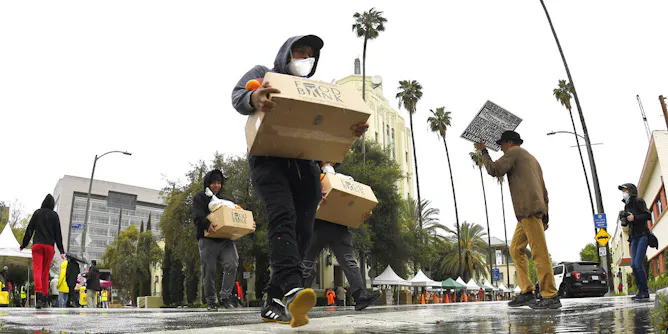
Not having enough to eat is a major public health concern, not only because it causes hunger and distress, but also because it’s linked to poor nutrition and unstable diet patterns.
Articles on Food insecurity
Displaying 201 - 220 of 273 articles
Dayton Children’s Hospital has begun to screen patients and their families for food insecurity, referring many of them to its ‘Food Pharm.’

The federal government’s response to the scourge of food insecurity must involve a lot more than just encouraging Canadians to donate canned goods. It must honour Canadians’ right to food.
The ex-combatants’ food memories show how they continue trying to make sense of both their past and present experiences of violence.
More Americans are getting benefits, and more of the people getting benefits are eligible for higher levels of support.

Concerns about having enough to eat are worsening among college students during the pandemic. This could ultimately affect how many finish school, two scholars argue.

Marcus Rashford has spoken eloquently about what happens when the government does not provide adequate support for food-insecure families. Children we interviewed said the same thing.

Food insecurity is income insecurity. After COVID-19, we must no longer tolerate the inequities of corporate charity and the stigma associated with relying on society’s leftovers for those in need.
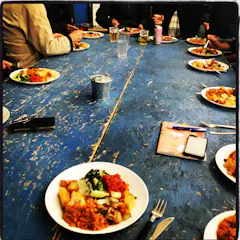
Can social eating networks offer a model for a new future of food?
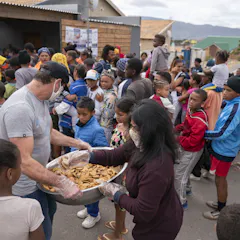
South Africans have experienced significant shocks to their livelihoods, and the threat of hunger presents a major concern for health, political and social stability.
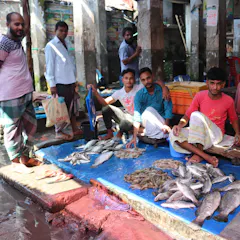
The urban poor in Bangladesh’s small cities already faced food insecurity before COVID-19 – but the lockdown made affording food much harder.
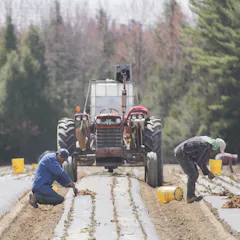
Access to culturally appropriate food may be key for newcomers to build connections with their communities.
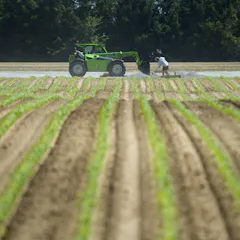
COVID-19 has given society a teachable moment, and we should now establish the policies, programs and technologies to ensure our food system becomes stronger, more resilient and more equitable.
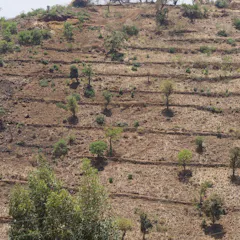
It’s time to redesign food systems that deliver healthy foods, allow farming families to make a good living, and support thriving societies.
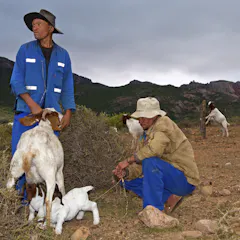
When South Africa eventually emerges from the fog of the COVID-19 crisis, structural reform, including land reform, will be high on the political agenda as never before.

As the world’s population grows, agriculture and related industries will grow in size and importance in Canada. Smart investors should bet on Canadian farmland.
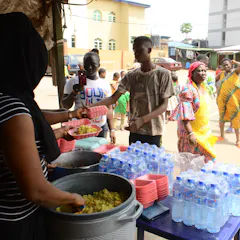
When people are hungry or not sure where their next meal is coming from, they get angry at their governments. This gives terrorist groups opportunities to recruit new members.
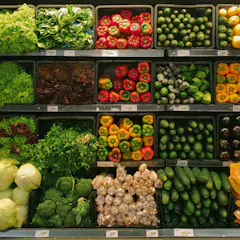
Food is essential to survival. It is also essential to identity. During times of national crisis like the coronavirus pandemic and in the historical landscape, food issues become prominent.
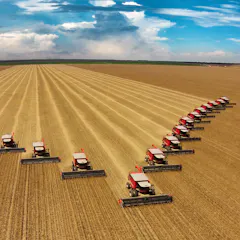
For the second time this century, crises have led to calls to transform our global food system. We can start with restructuring the global food trade so that it complements local food systems.
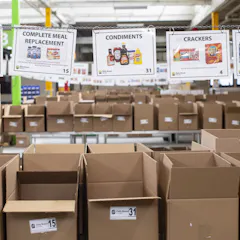
The ability of food banks to meet the needs of food insecure Canadians has plummeted just when it is needed most. But food banks have never been able to address the reason people are going hungry.
Top contributors
-

Associate Professor of Political Science, University of Richmond
-
Professor of Economics, Baylor University
-
Professor of Social Development Studies, University of Johannesburg
-
Professor of Human Development and Family Sciences, University of Connecticut
-
Senior Lecturer in Nutrition and Dietetics, University of Wollongong
-
Professor of Health Studies, Queen's University, Ontario
-
Senior Researcher, Associate Professor: Economic Management Sciences, University of Pretoria
-
Assistant Professor of Nutrition, Texas State University
-
Associate Professor of Allied Health Sciences, University of Connecticut
-
Assistant Professor of Public Health, Indiana University
-
Assistant Professor of Dietetics and Nutrition, University of Dayton
-
Professor of Nutritional Sciences, University of Toronto
-
DSTI/NRF Research Chair in Welfare and Social Development, University of Johannesburg
-
Research Program Coordinator, Food Insecurity, University of Toronto
-
Associate Professor of Nutrition Science, Purdue University