
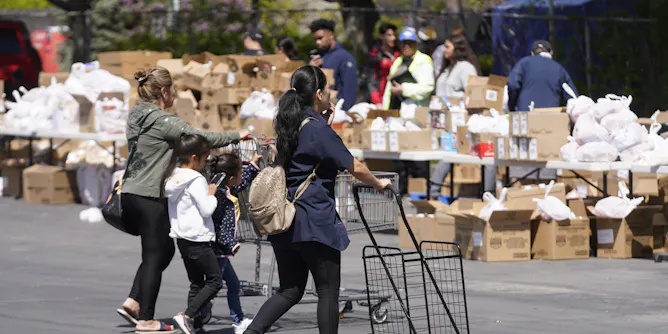
About a third of American adults in Generation Z lack the money or resources needed for reliable access to nutritious food.
Articles on Food insecurity
Displaying 121 - 140 of 273 articles
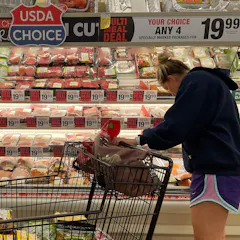
Soaring inflation in the US has been driven in part by large increases in the price of groceries – a burden that falls disproportionately on lower-income families.

Our research shows that although climate change is a key factor in starting conflict in eastern Africa, it’s not always the most important one.
Counties have better knowledge of the impact of food insecurity on households but lack the will and capacity to tackle it.

Higher Social Security benefits can significantly reduce the odds of an older person’s being food insecure.

While decent housing and food are fundamental human rights, they are often treated separately, and primarily as commodities. How can we tackle housing and food insecurity together, and better?

Child malnutrition is no stranger to high-income countries. In Canada and the U.S., food insecurity affects one in six children under 18, but policies to address the issue are still lacking.
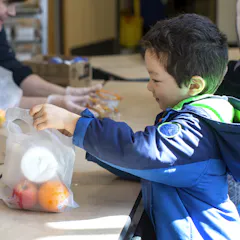
An expert on food policy explains how the end of COVID-19 waivers will impact children’s access to food, as well as the importance of food banks and pantries.

Industry seeks to capitalize on regenerative agriculture, but standards that focus only on carbon or other select environmental metrics will undermine its transformative potential
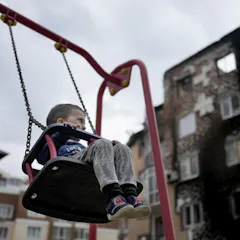
Ukraine is facing a struggle for survival. Its population could fall to 30 million by the time the war ends, with cities destroyed, crops expropriated and thousands already killed and wounded.

As Zimbabwe heads for 2023 presidential elections, there are key things voters should watch out for in the social protection promises made by candidates.
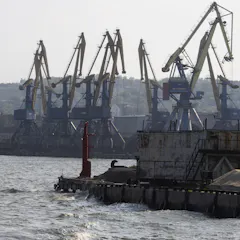
Ukraine is one of the world’s breadbaskets, but exports have been blockaded by Russia. Despite grave potential consequences in famine-prone countries, international law is largely silent.
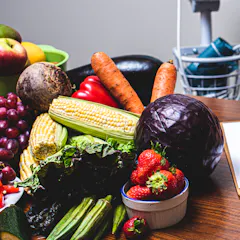
Food security is crucial to disease prevention and management, so prescribing healthy foods and reducing barriers to better diets makes sense. But food prescriptions should not be immune to scrutiny.
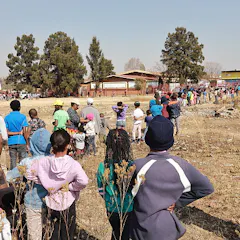
More than a third of people living in South Africa’s richest province Gauteng can’t afford to buy enough food.

Researchers find that households without enough diapers for their children are more likely to struggle with other hardships.
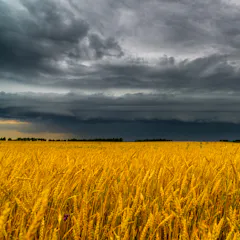
Climate change is already cutting crop yields. War and unrest are likely to compound these issues for food-importing nations.
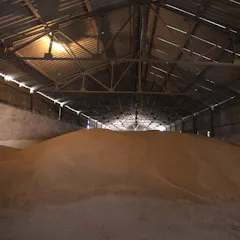
Environmental catastrophe, war, a worldwide pandemic. What does this mean for feeding the world today and in the future?
Efforts to make donated food as healthy as possible backfire if the recipients throw it out.

Far more people are dying of hunger around the world than in Europe’s new war.
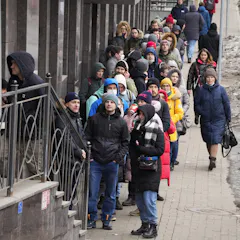
Over-reliance on sanctions and economic warfare measures have led to strategic complacency and the avoidance of negotiations on the part of the western governments.
Top contributors
-

Associate Professor of Political Science, University of Richmond
-
Professor of Economics, Baylor University
-
Professor of Social Development Studies, University of Johannesburg
-
Professor of Human Development and Family Sciences, University of Connecticut
-
Senior Lecturer in Nutrition and Dietetics, University of Wollongong
-
Professor of Health Studies, Queen's University, Ontario
-
Senior Researcher, Associate Professor: Economic Management Sciences, University of Pretoria
-
Assistant Professor of Nutrition, Texas State University
-
Associate Professor of Allied Health Sciences, University of Connecticut
-
Assistant Professor of Public Health, Indiana University
-
Assistant Professor of Dietetics and Nutrition, University of Dayton
-
Professor of Nutritional Sciences, University of Toronto
-
DSTI/NRF Research Chair in Welfare and Social Development, University of Johannesburg
-
Research Program Coordinator, Food Insecurity, University of Toronto
-
Associate Professor of Nutrition Science, Purdue University