
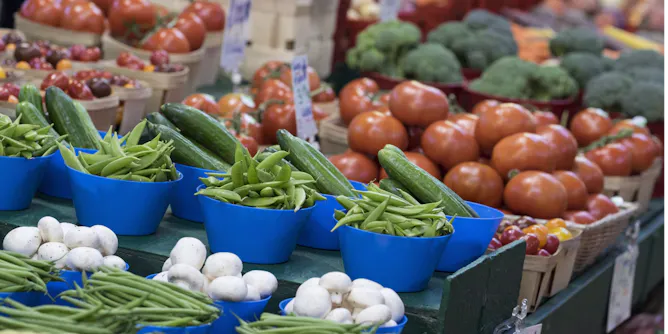
Canada’s Food Guide makes nutrition recommendations. But the revamped guide does much more. It directs us to consider the broader set of circumstances —the social determinants —of how we eat.
Articles on Food insecurity
Displaying 241 - 260 of 273 articles
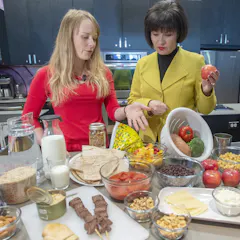
Canada’s Food Guide is a political document. It does not represent those who are poor, culturally marginalized and most at risk for food insecurity.

A new federal report on food insecurity on college campuses does a good job of laying out the scope of the problem but falls short when it comes to solutions.
After declining for nearly a decade, the number of hungry people in the world is growing again. Climate change, which is disrupting weather patterns that farmers rely on, is a major cause.
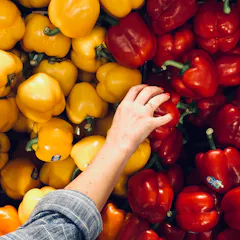
Although nutritious, inexpensive food options do exist for low-income Canadians, whether those foods are easily accessible or feasible has long evaded both nutrition researchers and politicians.

Governments in Canada are routinely enacting public policies that primarily benefit economic elites, raising questions about government legitimacy and competency. Who’s looking out for us?
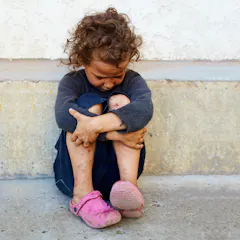
From food insecurity to cyberbullying and teenage suicide, Canada scores low on child health.
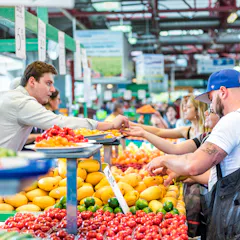
A government report on an upcoming national food policy is an optimistic indication that it will result in both healthier and more sustainable food for Canadians and stronger agri-food industry.

Food insecurity among students can impair academic performance or even lead to some dropping out.

The rising cost of energy and housing can leave little money to put nutritious food on the table.
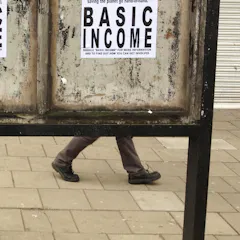
Ontario’s basic income project was deeply flawed and cursed by a lack of quality data. It needs a major overhaul.

Research shows that guaranteed basic income programs spur economies and improve mental and physical health. That’s why Ontario’s decision to scrap the province’s pilot project is such a bad idea.

It’s hard to succeed in college if you’re hungry. But more than half of community college students don’t have access to affordable and healthy food. What difference can food scholarships make?
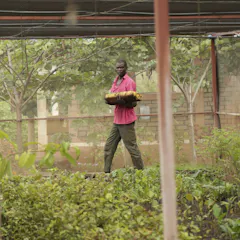
At present on the African continent, the politics of persuasion are especially consequential in the area of agri-food research and development.
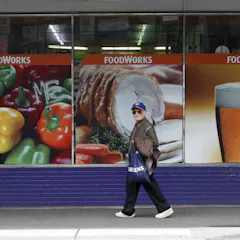
Despite Australia being considered the ‘lucky country’, 15% of us still experience food insecurity. Meanwhile, 40% of edible food is thrown away before it even reaches the market.
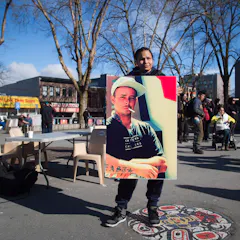
Catastrophic increases in opioid overdose deaths across Canada require a broad response – tackling housing, food and income insecurity as well as the contaminated drug supply.

Foodbanks were originally established as a temporary measure to alleviate food insecurity. But have they become an excuse for governments not to deal properly with the problem?
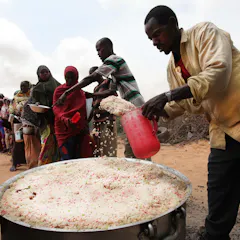
The distinction between food insecurity and famine is artificial and unhelpful. Hungry people are suffering however their situation falls below the radar.

As Canadian kids head back to school this week, many will be hungry. Lacking fruits, vegetables and other nutritious foods, they will suffer mood problems, disease and low academic performance.
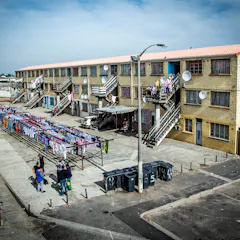
Women who don’t get enough to eat while pregnant face a high risk of developing common mental illnesses like depression and anxiety during pregnancy and after giving birth.
Top contributors
-

Associate Professor of Political Science, University of Richmond
-
Professor of Economics, Baylor University
-
Professor of Social Development Studies, University of Johannesburg
-
Professor of Human Development and Family Sciences, University of Connecticut
-
Senior Lecturer in Nutrition and Dietetics, University of Wollongong
-
Professor of Health Studies, Queen's University, Ontario
-
Senior Researcher, Associate Professor: Economic Management Sciences, University of Pretoria
-
Assistant Professor of Nutrition, Texas State University
-
Associate Professor of Allied Health Sciences, University of Connecticut
-
Assistant Professor of Public Health, Indiana University
-
Assistant Professor of Dietetics and Nutrition, University of Dayton
-
Professor of Nutritional Sciences, University of Toronto
-
DSTI/NRF Research Chair in Welfare and Social Development, University of Johannesburg
-
Research Program Coordinator, Food Insecurity, University of Toronto
-
Associate Professor of Nutrition Science, Purdue University