
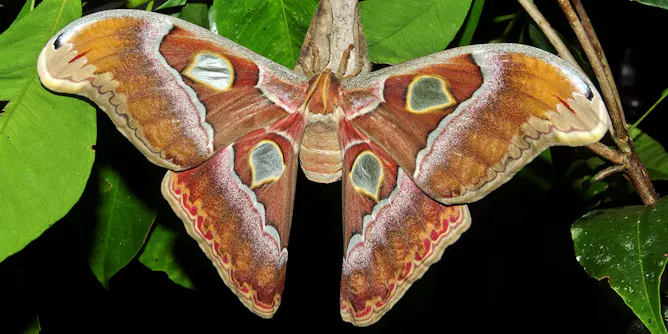
Every week, one or two species of Australian invertebrate go extinct. Many species on the brink live in cities – where we can help.
Articles on Extinction
Displaying 61 - 80 of 426 articles

Can a new database of 3D bone scans help solve the mystery of the elusive ngudlukanta?
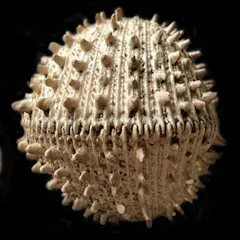
Not everything dies in a mass extinction. Sea life recovered in different and surprising ways after the asteroid strike 66 million years ago. Ancient fossils recorded it all.
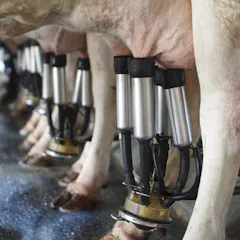
As our domesticated herds grow, wildlife is becoming rarer and rarer. Rethinking our responsibilities to animals will be hard – but essential.
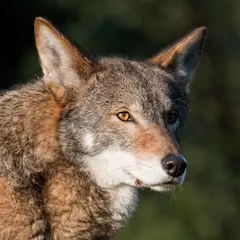
A legal scholar with a Ph.D. in wildlife genetics explains the promise biotechnology techniques hold for some animals that are currently endangered.

Species-rich islands are in the crosshairs of stronger storms as the climate crisis escalates.
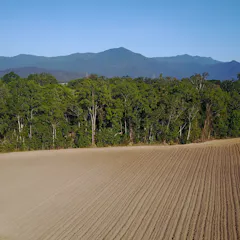
Hundreds of Australia’s unique species are clinging to life in small patches of habitat. Now researchers have found half of their habitat has no legal protection.

Australia’s giant Protemnodon kangaroos didn’t die out everywhere at the same time. Instead, extinction proceeded one habitat at a time.

In The Decline and Fall of the Human Empire, science writer Henry Gee considers how long we’ve got, and how we can extend our time on Earth.

Claims of ‘bringing back’ any species take away focus from proven solutions that can actually fix the extinction crisis.
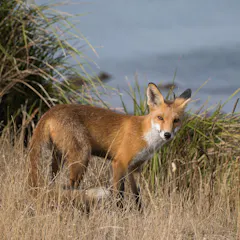
Dozens of Australian mammal species have declined and gone extinct since European colonisation – and introduced predators are often blamed. But evidence is lacking.
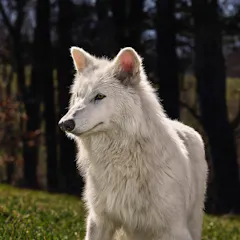
The animals are an imitation, but the technology used to create them could have wide-ranging applications.
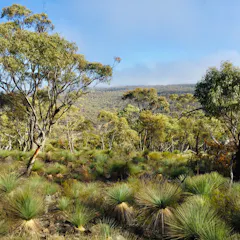
Many native plants are missing from habitats where they should thrive – even in wilder areas. Why? Human actions such as logging, poaching and setting fires.
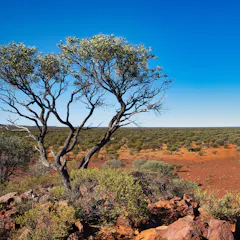
Protecting 30% of Australian lands sounds good – but what matters much more is whether we’re protecting dwindling habitat for endangered species.
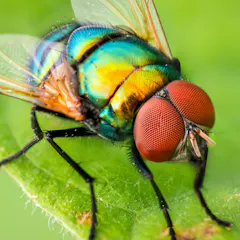
The number of insect species is mind-boggling – and they are a critical part of the environment.

“De-extinction” research is a poor alternative to helping ‘pre-extinction’ animals still alive today.
Poetry and palaeontology both work with strata.
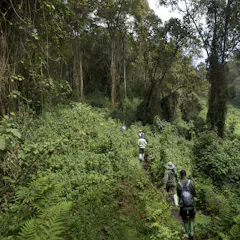
All countries must accelerate efforts to avert the biodiversity crisis, and preserve Earth’s precious natural places for future generations.
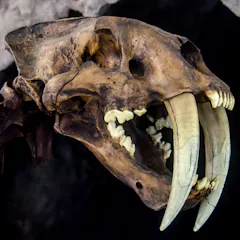
The long, sharp, blade-like canines found in many extinct predators evolved at least five times throughout history.

Amidst habitat destruction and ecological grief, let’s make a New Year’s resolution for nature — to care for beetles and butterflies, rainforests and reefs, ourselves, and future generations.
Top contributors
-

Professor of Conservation Biology, Charles Darwin University
-
Professor in Wildlife Ecology and Conservation, School of Life & Environmental Sciences, Deakin University
-
Professor of Conservation and Sustainable Livelihoods, Charles Darwin University
-
Matthew Flinders Professor of Global Ecology and Node Leader in the ARC Centre of Excellence for Indigenous and Environmental Histories and Futures, Flinders University
-
Professor in Conservation Science, School of the Environment, The University of Queensland
-
Professor of Wildlife Conservation, Australian National University
-
Distinguished Professor of Ecology, Fenner School of Environment and Society, Australian National University
-
Associate Professor in Vertebrate Palaeontology, Flinders University
-
Professor, Urban Ecology and Biodiversity, The University of Melbourne; RMIT University
-
Professor in Conservation Science, School of Ecosystem and Forest Science, The University of Melbourne
-
University Fellow in Biodiversity, Charles Darwin University
-
Professor of Environmental Management, The University of Queensland
-
Lecturer in the School of Applied Sciences, Edinburgh Napier University
-
Honorary Research Fellow, University of Sydney
-
Senior Lecturer, Public Sector Management, School of Business, UNSW