
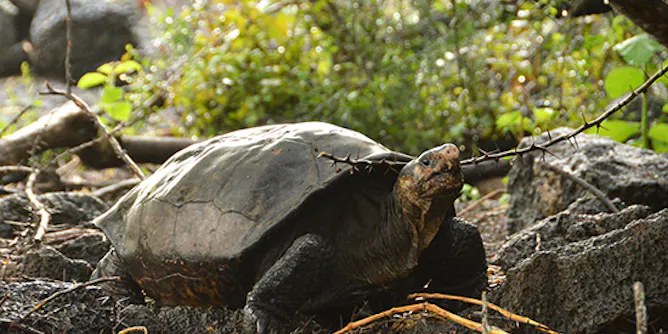
From the reappearance of giant bees to sightings of clouded leopards – can we ever be certain that a species has died out?
Articles on Extinction
Displaying 261 - 280 of 426 articles
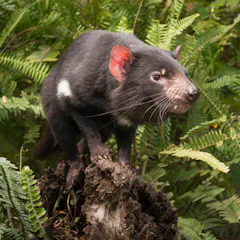
It’s often said you need to look to the past to learn about the future, and that’s what the fossil record can tell about how the Tasmanian Devil survived in the past on mainland Australia.
Mathematic models are becoming more sophisticated and now they could actually predict how likely a species is to die out.
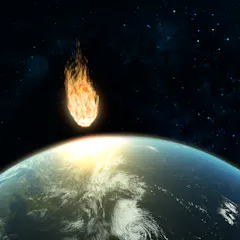
More evidence that the asteroid hit on Earth that marked the end of the dinosaurs could have triggered a deadly increase in volcanic activity.
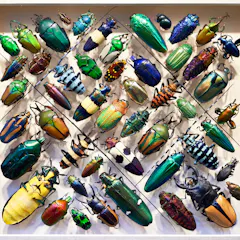
A recent report warned that insects ‘could vanish by the end of the century’. Here’s why that would cause a collapse of nature.

Ecosystems can collapse suddenly and totally. Frozen zoos are trying to create archives of genetic material to prevent total extinctions.

There are over 100 species of wild coffee, but only a few supply the world’s morning caffeine kick. Sadly, climate change and disease could be about to change that.

Climate change threatens to cause mass extinctions – but how, exactly? New research suggests male fertility may be the weakest link.

The loss of the Siberian unicorn shows just how vulnerable some animals can be to environmental change that can impact on their food supply.
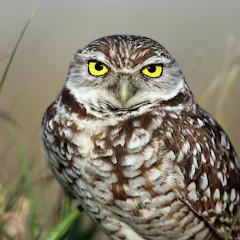
Carving up ecosystems or opening them to development puts the survival of species at risk.
Lee’s research identified the cause of mysterious and devastating mass frog extinctions that spread across the world starting in the 1970s: it was a skin fungus.
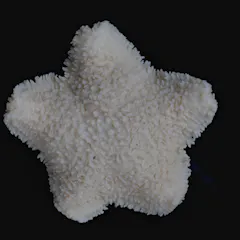
It’s quite hard to tell when a sea creature is extinct – there’s always hope it will turn up somewhere.
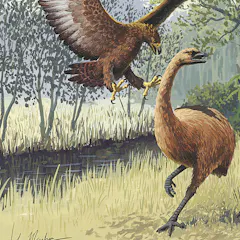
Tracing extinctions that happened centuries ago is difficult. But in New Zealand, the last place to be settled some 750 years ago, ancestral Māori oral traditions retain clues about lost species.
Death is inevitable for individuals and also for species. With help from the fossil record, paleontologists are piecing together what might make one creature more vulnerable than another.
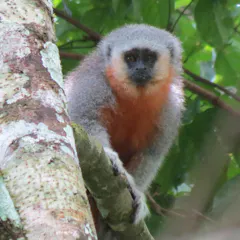
How can there be boom in new species discoveries while others are dying out at unprecedented rates?
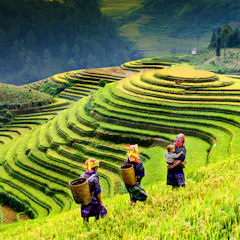
A new analysis explores what making space for nature means for our global food production systems.
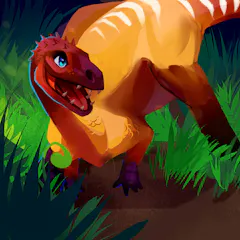
We know of about 900 valid dinosaur species that existed. ‘Valid’ means scientists know the dinosaur from enough of the skeleton bones to feel pretty sure that it differs from other known dinosaurs.
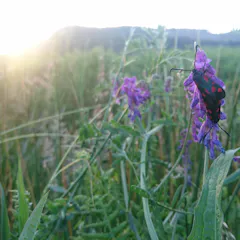
Shaded valleys and other cool habitats could help save threatened plants and animals from extinction.
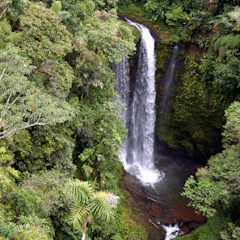
What drives the emergence and disappearance of species? By modeling the fundamental processes of evolution and ecology on geographical scales, new research spotlights topography and climatic shifts.
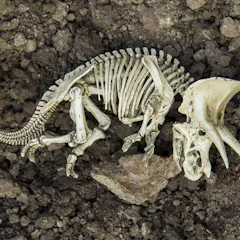
The Earth is losing more and more biodiversity every day, and we should all be worried
Top contributors
-

Professor of Conservation Biology, Charles Darwin University
-
Professor in Wildlife Ecology and Conservation, School of Life & Environmental Sciences, Deakin University
-
Professor of Conservation and Sustainable Livelihoods, Charles Darwin University
-
Matthew Flinders Professor of Global Ecology and Node Leader in the ARC Centre of Excellence for Indigenous and Environmental Histories and Futures, Flinders University
-
Professor in Conservation Science, School of the Environment, The University of Queensland
-
Professor of Wildlife Conservation, Australian National University
-
Distinguished Professor of Ecology, Fenner School of Environment and Society, Australian National University
-
Associate Professor in Vertebrate Palaeontology, Flinders University
-
Professor, Urban Ecology and Biodiversity, The University of Melbourne; RMIT University
-
Professor in Conservation Science, School of Ecosystem and Forest Science, The University of Melbourne
-
University Fellow in Biodiversity, Charles Darwin University
-
Professor of Environmental Management, The University of Queensland
-
Lecturer in the School of Applied Sciences, Edinburgh Napier University
-
Honorary Research Fellow, University of Sydney
-
Senior Lecturer, Public Sector Management, School of Business, UNSW