
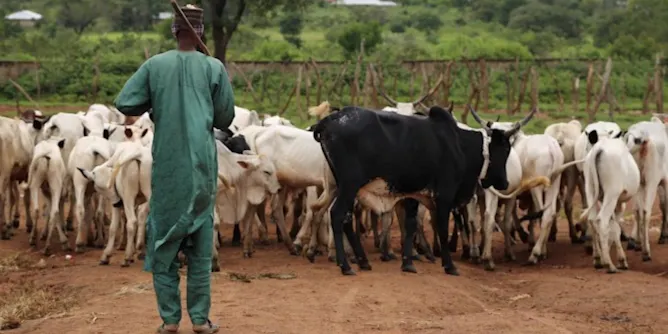
Blending livelihood strategies based on what works at different times in specific environments has been key to human survival for thousands of years.
Articles on Ecosystems
Displaying 41 - 60 of 322 articles
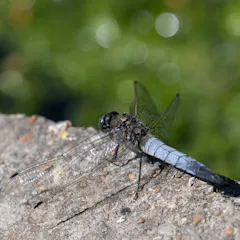
There’s a need for more surveys of macroinvertebrates in African countries.

Subsurface heatwaves are becoming more frequent, longer-lasting and more intense.
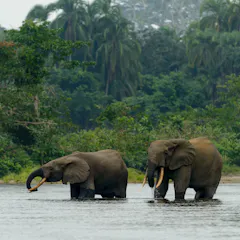
Setting up the world’s biggest giant tropical forest reserve in the Congo Basin is a step towards conserving the area and creating jobs for local communities.
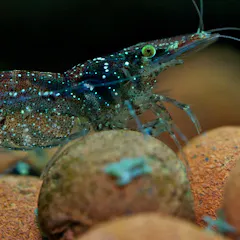
In a Queensland river where natural gas seeps up through the water, many living creatures have come to depend on it for their carbon.
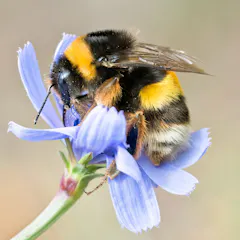
Fast-rising temperatures can change how plants and animals behave and disrupt the delicate timing of pollination.
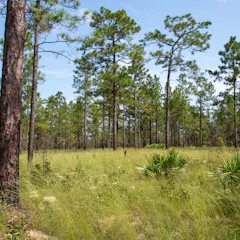
Effective conservation of old-growth ecosystems will work best if it considers their varied ecology.
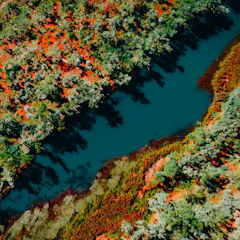
Favourable short-term conditions kept Australia’s environmental scorecard high in 2024 – but long-term problems are worsening.
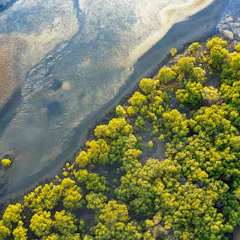
The first-of-its kind report by the Australian Bureau of Statistics looks beyond GDP to a broader measurement of what nature is really worth.

Reducing emissions, removing greenhouse gases, repairing ecosystems and building resilience are the four R’s that can save the planet.
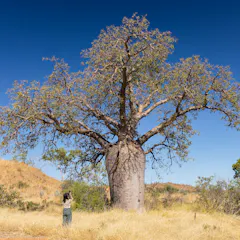
Australia’s environment is brutal. If you don’t already know what you’re looking for, it can be easy to miss these seemingly unremarkable species.
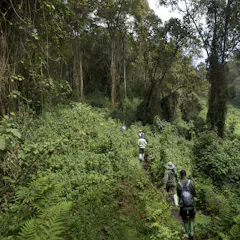
All countries must accelerate efforts to avert the biodiversity crisis, and preserve Earth’s precious natural places for future generations.
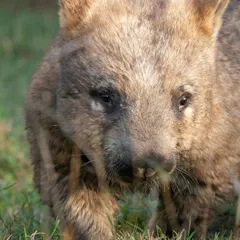
Native wombats and invasive rabbits are important to Australian ecosystems, but how do you work out where they live? That’s where satellite photos come in.
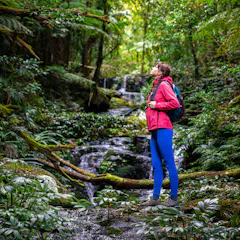
To listen deeply to nature is to become aware of behaviours, relationships and patterns of interaction between multiple species – and to learn from what we hear.
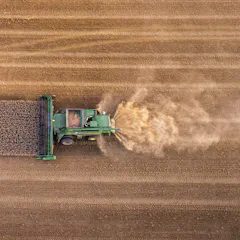
Agricultural and fishing practices are changing the biodiversity and stability of entire regions.
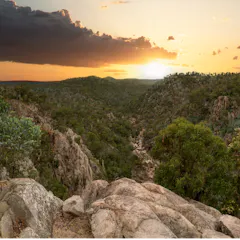
Many ecosystems face multiple serious threats. Recovery will be complex and difficult – but not impossible.

A lake or river is not an isolated entity but one of the most visible facets of a much larger, and more dynamic, watershed. The health of these entire systems should be an utmost priority.
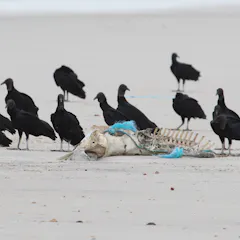
The average size of monitored wildlife populations has shrunk by 73% since 1970.

Imagine using tailored soundscapes to restore ecosystems, simply by amplifying recordings of sonic cues that attract wildlife, stimulate plant growth and rebuild relationships between species.
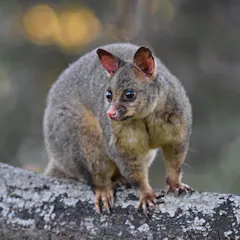
In Australia, people tend to think carnivores lead the clean-up crew after an animal dies. But brushtail possums – thought to be plant-eaters – also eat carcasses.
Top contributors
-

Professor in Wildlife Ecology and Conservation, School of Life & Environmental Sciences, Deakin University
-
Professor in Conservation Science, School of the Environment, The University of Queensland
-
Associate Professor, Global Ecology, University of Sydney
-
ARC Future Fellow, Queensland University of Technology
-
Honorary Research Fellow, University of Sydney
-
Professor in Ecology, Charles Sturt University
-
Professor, Obafemi Awolowo University
-
Research fellow, Charles Sturt University
-
Professor Emerita, Department of Biological Sciences, Macquarie University
-
Professor, Water and Landscape Dynamics, Fenner School of Environment & Society, Australian National University
-
Matthew Flinders Professor of Global Ecology and Node Leader in the ARC Centre of Excellence for Indigenous and Environmental Histories and Futures, Flinders University
-
Lecturer in Ecology, University of New England
-
Associate Professor in Ecology, Charles Sturt University
-
Ecologist and Researcher, Flinders University
-
Professor in Biodiversity and Conservation, The University of Queensland