
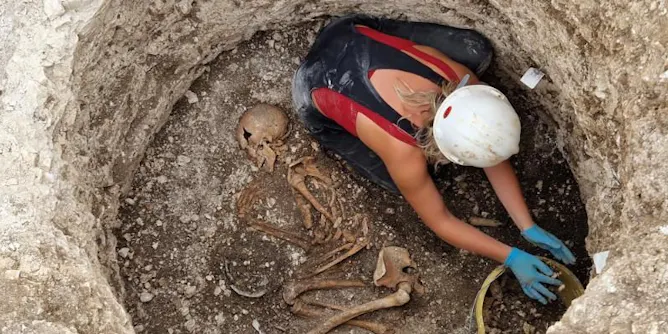
Genetics shows that women stayed put in Late Iron Age Dorset, while men moved to other groups.
Articles on Archaeology
Displaying 141 - 160 of 670 articles

This is the oldest confirmed use of a mixture comprising two or more plant toxins specifically applied to arrowheads.
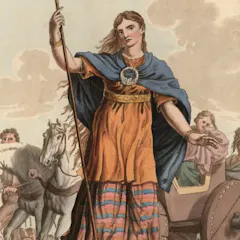
Roman writers found the relative empowerment of Celtic women in British society remarkable. People today shouldn’t.

Archaeologists and Wurundjeri Woi-wurrung people are shedding new light on a series of enigmatic earth rings located in southeastern Australia.
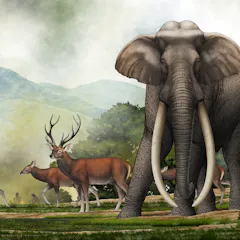
Eurasia and Africa were once populated by 13-tonne, 4 metre tall elephants, but their evolution has long remained a puzzle. A giant fossil skull from Kashmir paves way to unlocking their mysteries.
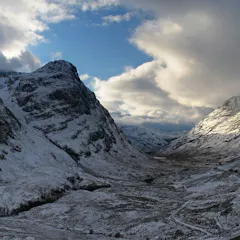
New-found artefacts reveal fascinating details of how these Highlanders really lived, challenging the tired old narratives of backwardness and isolation.
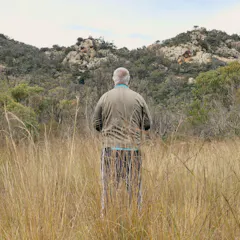
First Nations cultural knowledge has much to share with archaeology, palaeontology and Earth sciences.
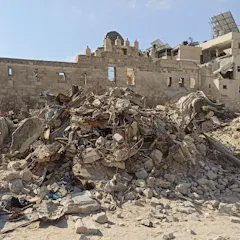
Around 50% of heritage sites in the Gaza Strip have been damaged, with many structures near-demolished.
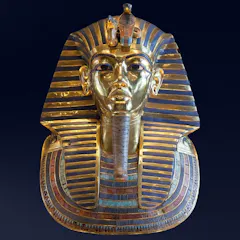
Tutankhamun’s resting place in the Valley of the Kings is relatively small. This has led to speculation that it was originally meant for a noble, queen or a princess.
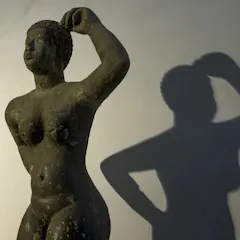
The war in Sudan has seen the looting of the country’s museums. Heritage boss Ikhlas Abdel Latief speaks about the losses.
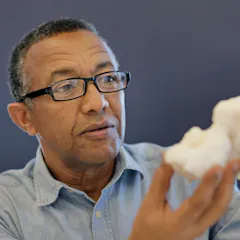
Yohannes Haile-Selassie is responsible for some of the most remarkable ancient human fossil discoveries in his home country.
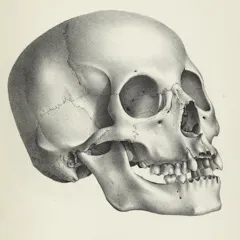
Marked with numbers, demographic information and provenance – though not name – these skulls tell a story of racist hierarchies but also diversity in the early United States.
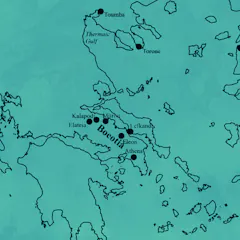
Pottery has long been used to date archaeological sites but previously held ideas about styles associated with the iron age and their providence could be wrong.

Amateurs are excited about their finds but give little thought about what is lost when they enthusiastically unearth them.
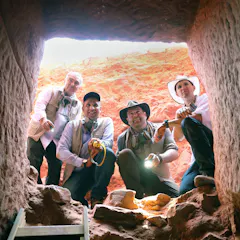
These burials could help answer the enduring mystery of the Khazneh, the most recognisable building in Petra.
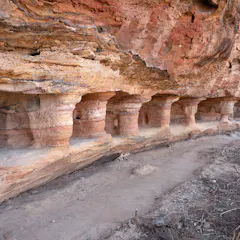
Archaeologists think the rock-cut architecture at Teniky in Madagascar may have been made by a community with Zoroastrian origins.
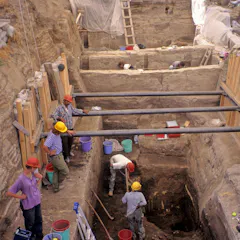
Whether intentional or not, the way mega-settlements in southeastern Europe from 6,000 years ago were laid out would have cut down on the spread of disease.

Ancient human genomes reconstructed from remains at a southern African rock shelter show remarkable genetic continuity over time.

Extreme solar storms could play havoc with technological infrastructure.
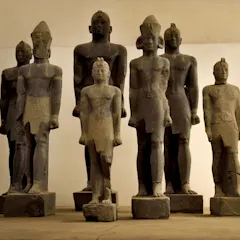
Ancient artefacts tell of some of the most advanced civilisations in history, a touchstone for future generations to understand Sudan’s heritage.
Top contributors
-

Professor of Environmental and Geographical Sciences, Bournemouth University; University of Reading
-
PhD Candidate, Anthropology and Archaeology, University of Bristol
-
Associate Professor of Archaeology, Griffith University
-
Professor in Geochronology and Geochemistry, Southern Cross University
-
Director, ARC Centre of Excellence for Transforming Human Origins Research, Griffith University
-
Professor of Archaeology and Biological Anthropology, School of Social Science, The University of Queensland
-
Professor of Archaeology, Griffith University
-
Associate Professor and Director, Flinders Microarchaeology Laboratory, Flinders University
-
Curator of Human Evolution of the Cleveland Museum of Natural History and Research Assistant Professor of Anthropology, Stony Brook University (The State University of New York)
-
Senior Lecturer, University of Mpumalanga
-
Honorary Professor, Archaeology, The University of Queensland
-
Honorary Associate Professor, UNSW
-
Associate professor, University of Johannesburg
-
Postdoctoral fellow, University of Tübingen
-
Associate Professor of Anthropology, Rice University