
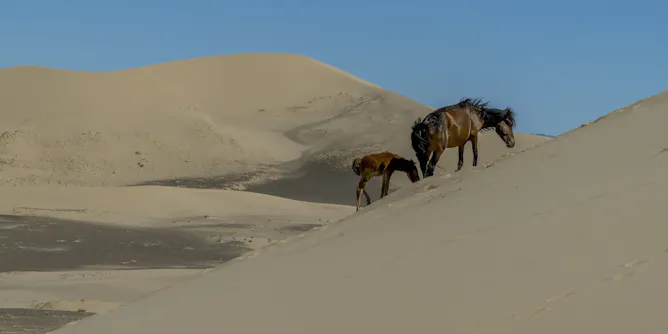
New analyses of bones, teeth, genetics and artifacts suggest it’s time to revise a long-standing hypothesis for how humans domesticated horses.
Articles on Archaeology
Displaying 161 - 180 of 670 articles

It’s unclear why people chose to live in the caves, but DNA is shedding light on their lives.
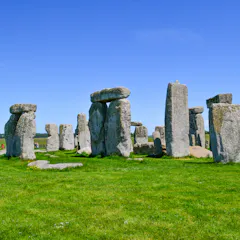
This is the longest known journey for any stone used in a Neolithic monument.
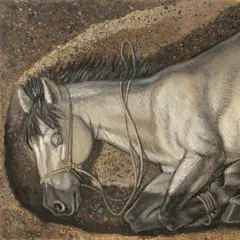
Horses crossed the Baltic Sea in ships during the late Viking age and were sacrificed for funeral rituals according to a new study.

New research provides direct evidence that seafarers travelled along the equator to reach islands off the coast of West Papua more than 50 millennia ago.
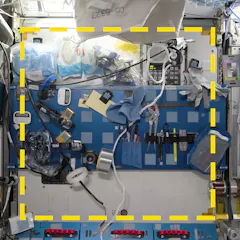
Where do astronauts keep their toiletries? What’s with all the velcro? Here’s what we learned from doing archaeology on the International Space Station.
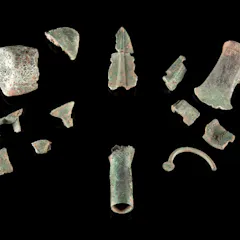
Did Bronze Age Europe have a market economy? New research suggests “hoard piles” could be linked to the exchange of small pieces of metal – much like money changes hands today.
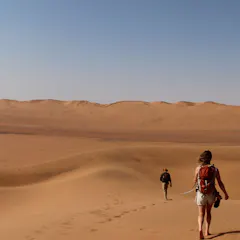
New research provides the foundation for larger, regional-scale analyses of early human adaptive strategies in the Namib Sand Sea, Namibia.
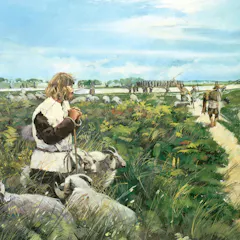
Scientists analysed thousands of years of pollen data and made a surprising discovery.

The Juukan 2 rockshelter was blown up in 2020. The results of an archaeological dig carried out six years earlier are only now being published for the first time.
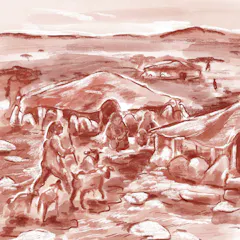
Archaeologists are helping us reimagine life in ancient Saudi Arabia. With ‘packable’ housing, diverse diets and evidence of trade, these communities were more complex than we once thought.

Corn has its roots in Mexico about 9,000 years ago.
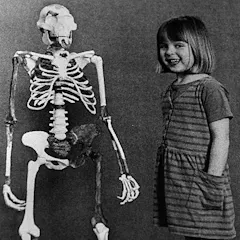
A photo of Lucy’s reconstructed skeleton next to a live four-year-old girl shows how human Lucy was – and how small.
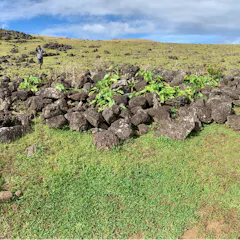
Satellite data shows the amount of food the residents of the tiny Pacific island have grown over time, pointing to a small but stable population.
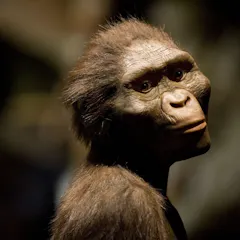
The way Lucy has been depicted in newspapers, textbooks and museums shows how today’s cultural norms influence perceptions of the past.
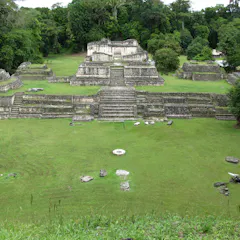
Structures aligned with solar events served various purposes: science, farming, religion and even politics.
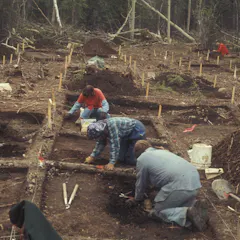
Archaeologists preserve records of their excavations, but many are never analyzed. Digital archaeology is making these records more accessible and analyzing the data in new ways.
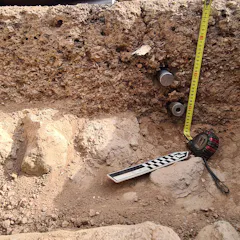
Our research at the site – which was traditionally restricted to women – has also uncovered tools previously only associated with male crafters.
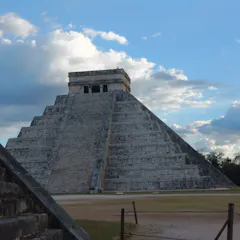
At the heart of the Maya civilisation were sacred sites where ritual sacrifices took place. A new DNA analysis reveals more about this practice and Maya genetic legacy.
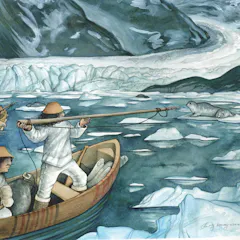
Collaborative research by archaeologists, environmental scientists and tribal elders combines science and Indigenous knowledge to tell the story of centuries of life at a glacier’s edge.
Top contributors
-

Professor of Environmental and Geographical Sciences, Bournemouth University; University of Reading
-
PhD Candidate, Anthropology and Archaeology, University of Bristol
-
Associate Professor of Archaeology, Griffith University
-
Professor in Geochronology and Geochemistry, Southern Cross University
-
Director, ARC Centre of Excellence for Transforming Human Origins Research, Griffith University
-
Professor of Archaeology and Biological Anthropology, School of Social Science, The University of Queensland
-
Professor of Archaeology, Griffith University
-
Associate Professor and Director, Flinders Microarchaeology Laboratory, Flinders University
-
Curator of Human Evolution of the Cleveland Museum of Natural History and Research Assistant Professor of Anthropology, Stony Brook University (The State University of New York)
-
Senior Lecturer, University of Mpumalanga
-
Honorary Professor, Archaeology, The University of Queensland
-
Honorary Associate Professor, UNSW
-
Associate professor, University of Johannesburg
-
Postdoctoral fellow, University of Tübingen
-
Associate Professor of Anthropology, Rice University