
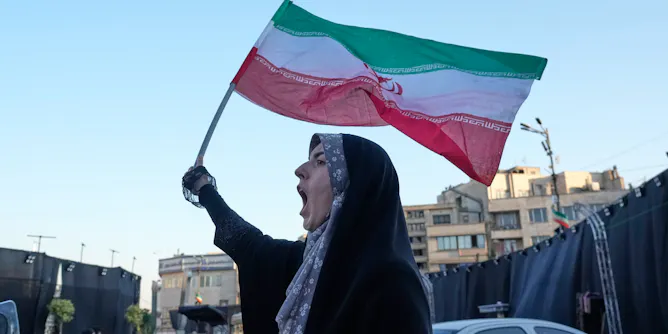
The deal will leave Iran in a stronger position than before the war, the US with far less leverage in the region, and Israel in the lurch.
Articles on US-Iran conflict
Displaying 81 - 100 of 434 articles
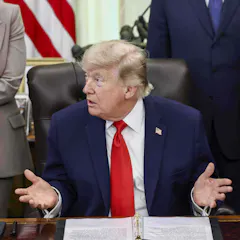
A return to conflict simply would not have been in the interests of the US.
Escalating a conflict is paradoxically one way to end it. But this strategy can be flawed, particularly in a region like the Middle East.
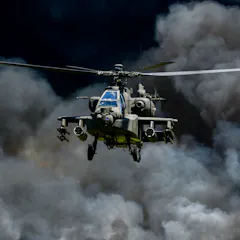
The Middle East risks state of permanent confrontation where violence periodically erupts, diplomacy intervenes and neither changes the underlying reality.
Hundreds of millions of dollars are being made on well-timed oil bets occurring just before Trump posts. But can we call it insider trading?

Confronted by higher prices for everyday products, US households are spending more in total.
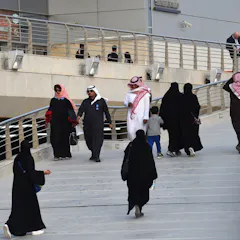
Surveys in the Gulf kingdom point at ongoing support for the US-Saudi alliance.
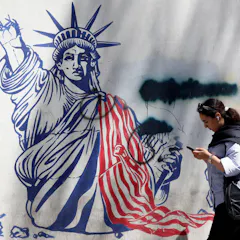
The regime was built for resilience. The US president will struggle to get an acceptable deal unless he’s willing to compromise.
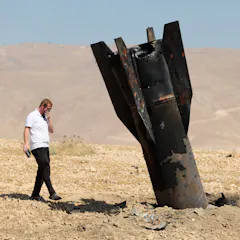
Iran and Israel have attacked each other for the first time since April.
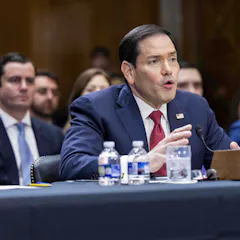
It seems highly doubtful that a comprehensive deal can be reached that adheres to Trump’s proclaimed red lines.
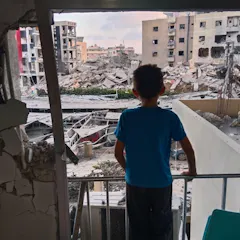
Ordinary Lebanese and Israeli people are caught in the middle of a longstanding conflict between the Israeli government and Hezbollah.

The way wealthy migrants and influencers reacted to Iranian attacks can tell us a lot about the image that places like Dubai have carefully cultivated.
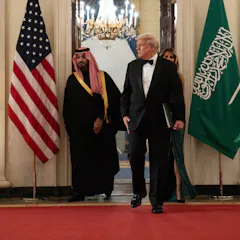
Few Middle Eastern leaders can agree to Trump’s proposal for all Arab and Muslim states to sign the Abraham accords.

The provocative images in the most visible parts of Tehran are intended to be photographed, posted and shared widely on social media.

Trump’s demand other countries sign the accords has been met with silence, which shows how far this is from becoming reality.

Higher inflation, tighter operating allowances and rising geopolitical uncertainty are turning this year’s budget into a test of national priorities.
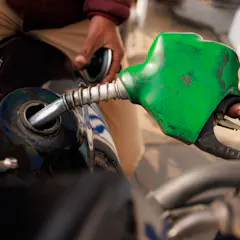
Rich countries have been burning through oil stockpiles and seeking other suppliers to avoid the global energy crunch. But these measures have limits

The current pattern of short-term ceasefires with fragile extensions is likely to continue.
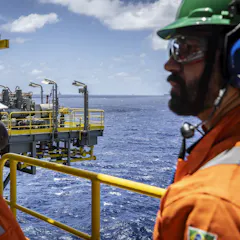
Oil producers across the Americas have responded to the disruption in the Gulf by increasing output and exports.

The virtual world still runs on a very physical network – and states are waking up to the strategic implications.
Top contributors
-

Honorary Research Fellow, Department of International Politics, City St George's, University of London
-
Emeritus Professor of Middle Eastern Studies, Australian National University; The University of Western Australia; Victoria University
-
Professor in International Politics, City St George's, University of London
-
Associate Professor in International Relations, UNSW
-
Lecturer in History and International Studies, Leiden University
-
Professor of International Security, University of Birmingham
-
Adjunct Professor, Defence and Security Institute, The University of Western Australia; UNSW
-
Associate Professor in International Politics, UCL
-
Lecturer in Energy Systems, University of Oxford
-
Professorial Fellow, University of Canberra
-
Professor of International Relations, Lancaster University
-
Professor of the Practice of Political Science and International Relations, USC Dornsife College of Letters, Arts and Sciences
-
Lecturer, Department of War Studies, King's College London
-
Associate Professor, Defence Studies Department, King's College London
-
Fellow for the Middle East at the Baker Institute, Rice University