
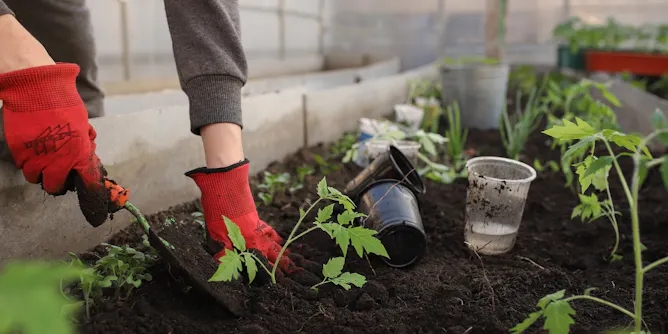
If we want to reduce carbon emissions and preserve planetary ecosystems, we need to protect our soils.
Articles on Soil
Displaying 101 - 120 of 200 articles
An atmospheric scientist and sailplane pilot describes why large areas of burned land can produce clouds and rainstorms.
Beetles exposed to elevated carbon dioxide emerged later and smaller and had a reduced chance of making it to adulthood.
Soil degradation is a huge challenge for farmers around the world. But new research is showing how farmers can balance crop yields with protecting the environment.

There are more microorganisms in a teaspoon of soil than there are humans on Earth – but what are they all up to?
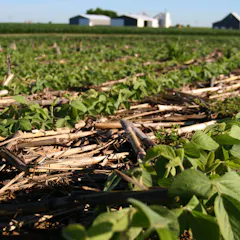
Policymakers want to pay farmers for storing carbon in soil, but there are no uniform rules yet for measuring, reporting or verifying the results. Four scholars offer some ground rules.
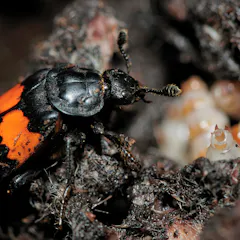
Carrion beetles help stabilise the biology of the soil they live in.
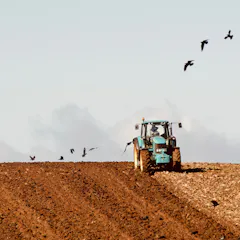
Soil underpins Australia’s economy – yet since Europeans arrived, the natural asset has steadily been degraded. A new national plan aims to change that.
Invisible to the eye, the microbial life in the air around us can vary depending on our environment.
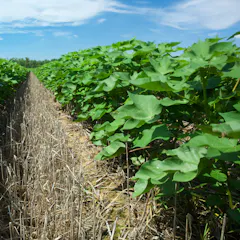
Drilling instead of tilling the soil to plant seeds could help the ground store more carbon.
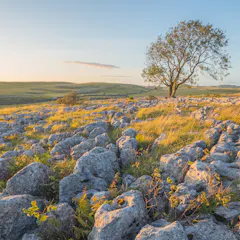
Scientists need to know how much we can rely on the land to offset our emissions.
We may think of plants as passive life forms, but they can cooperate, share resources, send one another warnings, and distance themselves from their communities when survival depends on it.
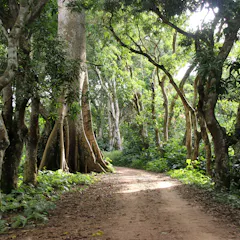
A stable ecosystem of organic matter is the key to improving agricultural yields in the surrounding farmland and fighting climate change.
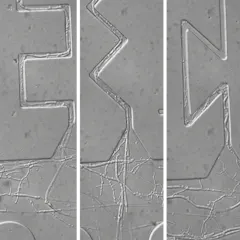
Using tiny ‘soil chips’, researchers have observed the forgaging strategies of fungi at a microscopic scale for the first time.
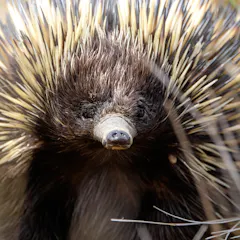
Excavator, farmer, matchmaker: echidnas provide a host of benefits to nature. So let’s harness the potential.
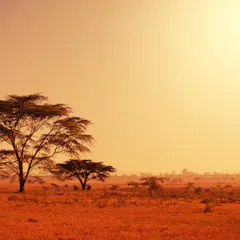
Large areas targeted for forest restoration in Africa are covered by savanna and grassland, which provide important ecosystem services that would be lost should they be converted to forests.
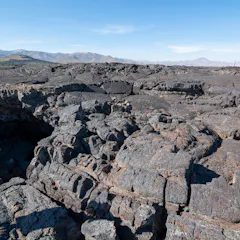
To avoid global warming on a catastrophic scale, nations need to reduce emissions and find ways to pull carbon from the air. One promising solution: spreading rock dust on farm fields.
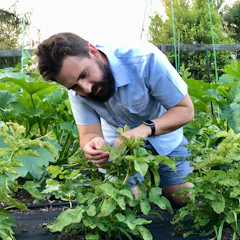
The COVID-19 pandemic has boosted interest in home gardening. Three scientists who garden explain some basic methods for controlling common insects and microbes that can spoil your crop.
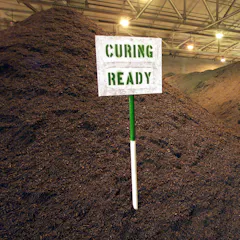
Turning food scraps and yard trimmings into compost improves soil, making it easier for people to grow their own food. City composting programs spread those benefits more widely.
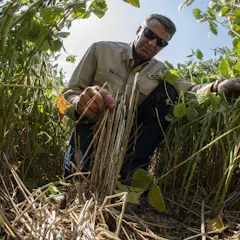
There’s growing interest in making the US food system more resilient and flexible, but soil – the origin of nearly everything we eat – is often left out of the picture.
Top contributors
-

Soil Scientist, Australian Centre for International Agricultural Research
-
Emeritus Professor of Soil Science/Principal consultant, Lancaster University
-
Professor of Earth and Space Sciences, University of Washington
-
Chair Professor in Sustainability, Lancaster University
-
Reader in Ecology, University of Lancashire
-
Professor of Digital Agriculture & Soil Science; Director, Sydney Institute of Agriculture, University of Sydney
-
Associate Professor, Department of Entomology; African-American Studies, University of Illinois Urbana-Champaign
-
Professor of Dryland Ecology, UNSW
-
Professor in Soil-Landscape Modelling, University of Sydney
-
ARC Future Fellow and Matthew Flinders Professor in Restoration Ecology, Flinders University
-
Ecologist and Researcher, Flinders University
-
Professor of Earth & Environmental Sciences and Executive Director, Environmental Resilience Institute, Indiana University
-
Associate Professor of Mycology and Plant Pathology, West Virginia University
-
CGIAR
-
Associate Professor, Monash University