
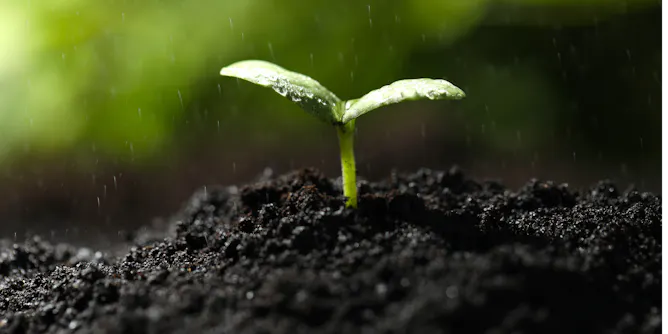
That smell you detect after it rains is part of a chemical language between bacteria and animals.
Articles on Soil
Displaying 121 - 140 of 200 articles

The drought has pushed many trees to the brink, and whole stands are now dying. The ecological consequences are huge.
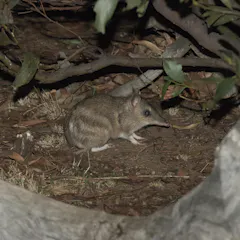
These Aussie diggers boost the health of our soils. But up until recently, we didn’t know just how much soil they can turn over (hint: it’s a lot).
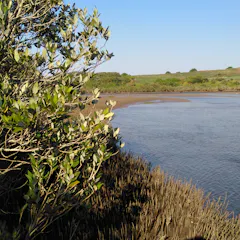
Scientists are building up a picture of how much carbon can be taken out of the atmosphere and stored in coastal ecosystems.
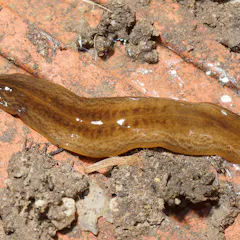
The predatory flatworm Obama nungara travelled in potted plants from Argentina to Europe, where it’s distrupting soil ecosystems. Now, citizen-scientists are helping map their distribution.
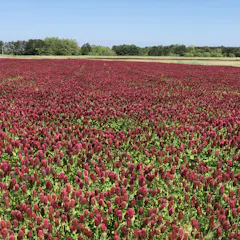
Storing more carbon in soil helps slow climate change and makes croplands more productive. But there are two kinds of soil carbon that are both important, but function very differently.
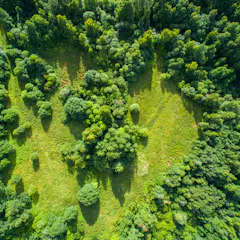
Although China’s tree-planting efforts have increased carbon sequestration for climate mitigation and protected the soil from erosion, they have also led to drastic water shortages.

Areas of the UK may lose their topsoil in little over a century according to new research.
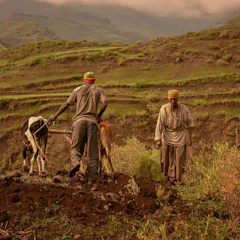
Ethiopian researchers put together maps which show where there are soil fertility issues and whether nutrients are missing.
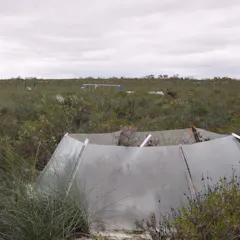
A real-life experiment to mimic future conditions for soils affected by climate change suggests that some of the biggest impacts could be to ecosystems buried out of sight beneath our feet.
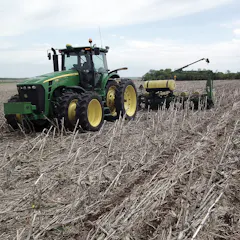
More than one-fifth of global warming emissions come from land use. Sustainable farming can make soil healthier and better able to soak up carbon, while saving energy and boosting food production.
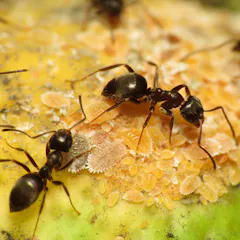
They might be a hated household pest, but ants actually live fascinating and complex lives.

Resistance to antibiotics is not a new trait, and it is impossible to prevent. But it is possible to avoid its spread.

Thousands of years of history tells the same story over and over: you ignore soil at your peril.
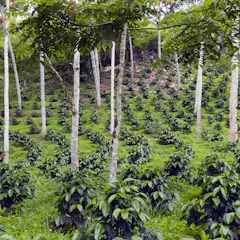
Because the interactions between trees, soils, crops and livestock can be positive or negative, their relationship must be balanced and understood.
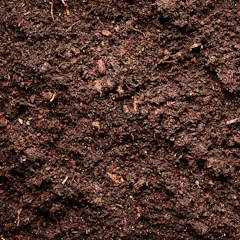
Understanding the different facets of soil reveals a complex and fascinating cultural and evolutionary history.
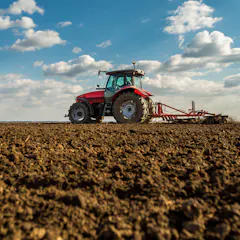
Carbon in soil can help with tackling climate change. Maintaining soil quality by supporting farmers through economic incentives and technical approaches is important.
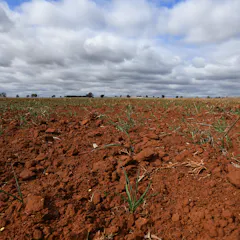
New satellite-based research shows there is at least as much value in knowing how much water is left for plants to use as there is in knowing how much rain may be on the way.
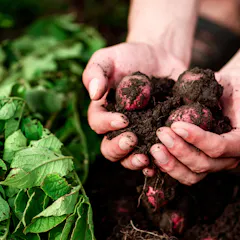
The thin layer of soil on our planet’s surface ultimately sustains us all, but it’s a finite resource. With a growing global population, perhaps it is time to start looking for alternatives.
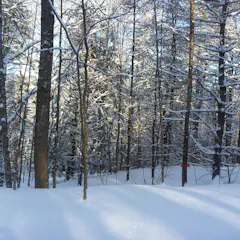
Climate change is shrinking winter snow cover in Northeast forests, which protects tree roots and soil from repeated freezing and thawing. This could stunt tree growth and forest carbon storage.
Top contributors
-

Soil Scientist, Australian Centre for International Agricultural Research
-
Emeritus Professor of Soil Science/Principal consultant, Lancaster University
-
Professor of Earth and Space Sciences, University of Washington
-
Chair Professor in Sustainability, Lancaster University
-
Reader in Ecology, University of Lancashire
-
Professor of Digital Agriculture & Soil Science; Director, Sydney Institute of Agriculture, University of Sydney
-
Associate Professor, Department of Entomology; African-American Studies, University of Illinois Urbana-Champaign
-
Professor of Dryland Ecology, UNSW
-
Professor in Soil-Landscape Modelling, University of Sydney
-
ARC Future Fellow and Matthew Flinders Professor in Restoration Ecology, Flinders University
-
Ecologist and Researcher, Flinders University
-
Professor of Earth & Environmental Sciences and Executive Director, Environmental Resilience Institute, Indiana University
-
Associate Professor of Mycology and Plant Pathology, West Virginia University
-
CGIAR
-
Associate Professor, Monash University