

Timing matters: planting fodder radish in the right months can help South African farmers grow more nutritious livestock feed even without irrigation.
Articles on Soil
Displaying 1 - 20 of 200 articles
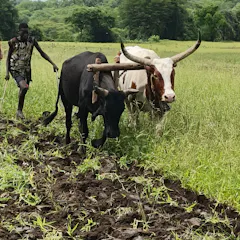
Local realities matter more than donor aid models when it comes to food security for households in eastern Zambia.
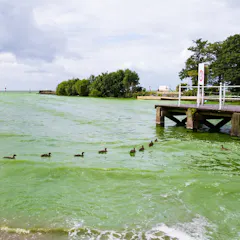
Looking at what happened when Atlantic woodlands covered the British Isles helped researchers understand how to restore polluted waterways.
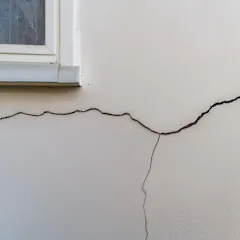
Rain does not necessarily resolve drought-related issues. In some soils, rewetting can disrupt the foundations of buildings.
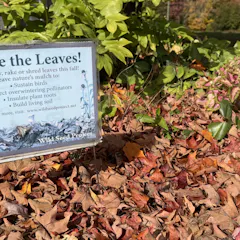
Fallen leaves provide essential winter habitat for native pollinators and provide natural mulch for the soil. If you have to clear some leaves, don’t get rid of them entirely: Move them out of sight.
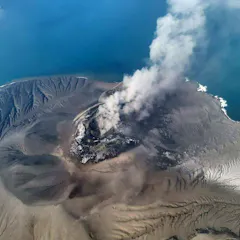
Satellite imagery reveals a dramatic shift on Sertung Island following Anak Krakatau’s eruption. As lush greenery turns to ash, a new natural laboratory emerges for studying the birth of soil.
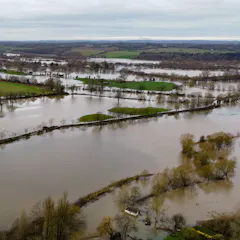
We have built the system to shed much of the surplus rather than keep it. We allow a wet winter to rush away, then ration what remains through a dry summer.

As storms, wildfires, and floods strike in ever-closer succession, an architect with disaster risk science expertise explains why resilience is built between hazards, not during them.
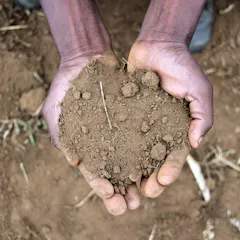
Microbial ecology helps explain how ecosystems respond to environmental pressures.

Mulch glue allows water and air to penetrate the soil, but there are concerns it may limit birds turning over and foraging in mulch.

A soil expert unpacks what this unconventional farming method is and how it works.
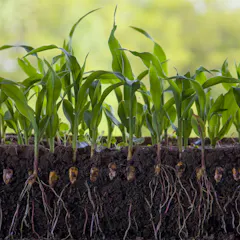
As soils become saltier, roots are deploying remarkable survival strategies that could help safeguard future food supplies.
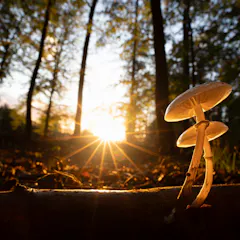
A new study provides a crucial baseline: the first global map of where these fungal networks are and how much of them exists.
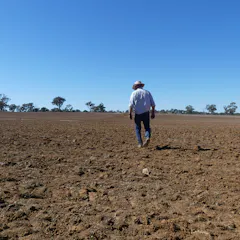
The good news is degraded soil can regain some of its lost heat protection. We can help ‘re-insulate’ the ground with practical farming methods.
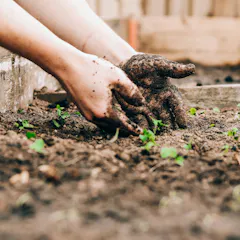
While contamination in soil is real, the benefits of gardening outweigh it, and there are plenty of simple, affordable steps gardeners can take to protect themselves.
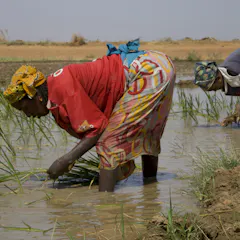
Science can only change the world when societies decide to give it the means to do so.

Eating soil is still practised widely around the globe today.
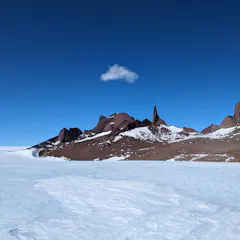
New study provides evidence that Antarctic microbes make energy from the air at temperatures as low as -20°C.
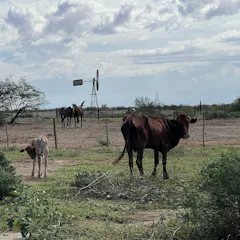
Mesquite tells a story about unintended consequences; but it also shows how careful, collaborative responses can lead to solutions for people and the environment.

These tiny critters have shaped the health of our planet for hundreds of millions of years.
Top contributors
-

Soil Scientist, Australian Centre for International Agricultural Research
-
Emeritus Professor of Soil Science/Principal consultant, Lancaster University
-
Professor of Earth and Space Sciences, University of Washington
-
Chair Professor in Sustainability, Lancaster University
-
Reader in Ecology, University of Lancashire
-
Professor of Digital Agriculture & Soil Science; Director, Sydney Institute of Agriculture, University of Sydney
-
Associate Professor, Department of Entomology; African-American Studies, University of Illinois Urbana-Champaign
-
Professor of Dryland Ecology, UNSW
-
Professor in Soil-Landscape Modelling, University of Sydney
-
Associate Professor in Biology, Flinders University
-
Ecologist and Researcher, Flinders University
-
Professor of Earth & Environmental Sciences and Executive Director, Environmental Resilience Institute, Indiana University
-
Associate Professor of Mycology and Plant Pathology, West Virginia University
-
CGIAR
-
Associate Professor, Monash University