
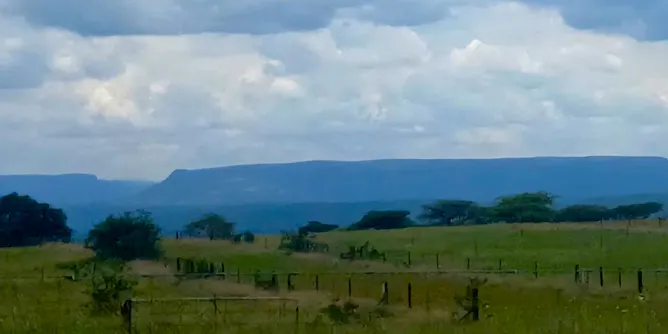
Decades of experimentation revealed slow ecological processes and long-term interactions that have international scientific value.
Articles on Soil
Displaying 21 - 40 of 200 articles
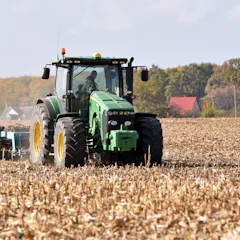
Improved manure recycling is one measure being proposed that could help Ukraine’s soil recover from misuse of fertilisers.
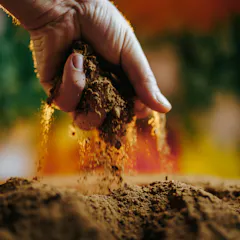
From Paris in 2015 to Belem in Brazil in 2025, soil is slowly becoming part of climate policy but more can be done.
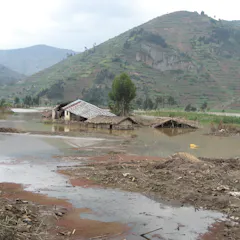
Africa is heavily dependent on agriculture. At this year’s COP30 conference, the continent needs to secure more funding to adapt land to climate disasters.

Only 1.5% of soil arriving at waste facilities in England was classed as hazardous, suggesting we are throwing away mostly healthy, usable soil.
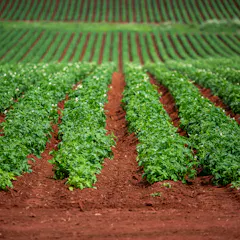
Researchers have developed a tool that allows farmers to quickly and affordably test soil samples, get results in real-time, and obtain fertilizer recommendations.
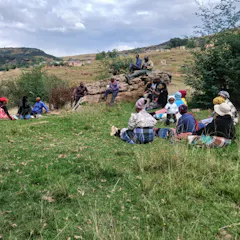
Rural communities in South Africa rely on public land to graze their livestock. They must be part of fighting soil erosion and restoring natural grasses.
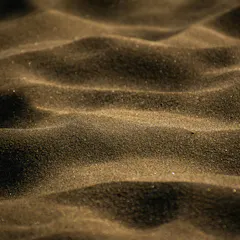
Understanding the movement of granular materials can help with everything from modelling landslides to shifting grains in silos.
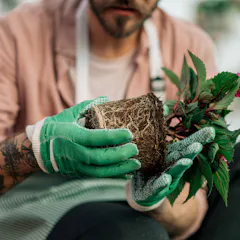
Plant roots don’t just take from soil; they shape it.
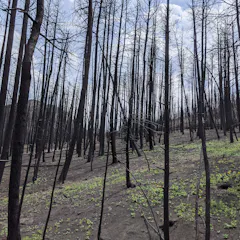
Scientists analyzed water quality in 145 watersheds after wildfires and found dramatic spikes in contaminants.

Knowing where best to scale up soil health solutions will help protect people, businesses and ecosystems from extreme events.
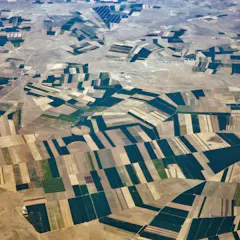
Heavy metals are a silent threat to our food – here’s what we can do about it.
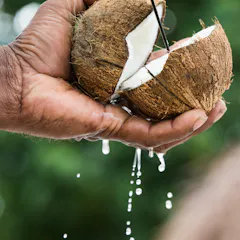
Coconut water is a filtered and nutrient-rich clear liquid formed by the tree itself.
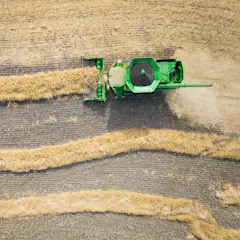
Without swift and effective action, composting may become an environmental crisis, rather than a solution.

Aridity is silently spreading through many of the world’s cocoa-producing regions. There are steps we can take to save them.
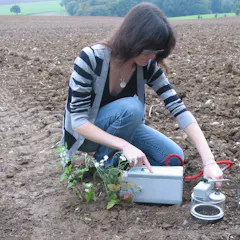
‘Carbon farming’ has huge potential in the region, but diverse soils and land uses present a challenge.
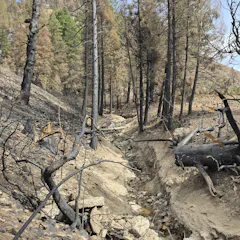
Debris flows can move with the speed of a freight train, picking up and demolishing anything in their path.

Organic soils, one of the pillars of Québec’s food self-sufficiency, could disappear within 50 years. Fortunately, the application of straw or wood chips could regenerate these soils.
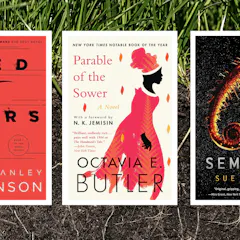
By looking at how it is represented in works of fiction, we can try to understand how we relate to soil. And through soil, how we relate to the environment more broadly.

Modern pharmaceuticals have revolutionised disease prevention and treatment. But eventually, the chemicals can end up in rivers, oceans and soils.
Top contributors
-

Soil Scientist, Australian Centre for International Agricultural Research
-
Emeritus Professor of Soil Science/Principal consultant, Lancaster University
-
Professor of Earth and Space Sciences, University of Washington
-
Chair Professor in Sustainability, Lancaster University
-
Reader in Ecology, University of Lancashire
-
Professor of Digital Agriculture & Soil Science; Director, Sydney Institute of Agriculture, University of Sydney
-
Associate Professor, Department of Entomology; African-American Studies, University of Illinois Urbana-Champaign
-
Professor of Dryland Ecology, UNSW
-
Professor in Soil-Landscape Modelling, University of Sydney
-
ARC Future Fellow and Matthew Flinders Professor in Restoration Ecology, Flinders University
-
Ecologist and Researcher, Flinders University
-
Professor of Earth & Environmental Sciences and Executive Director, Environmental Resilience Institute, Indiana University
-
Associate Professor of Mycology and Plant Pathology, West Virginia University
-
CGIAR
-
Associate Professor, Monash University