

International efforts to reach agreement on reducing plastic pollution are disappointing. But we don’t need to wait for a treaty to make changes in our own lives.
Articles on Pollution
Displaying 101 - 120 of 660 articles
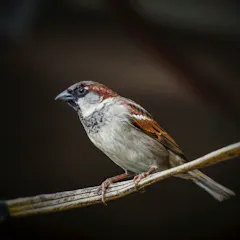
New research on house sparrows in three Australian towns revealed subtle but disturbing effects of pollution. If city living is harming birds, what about people?
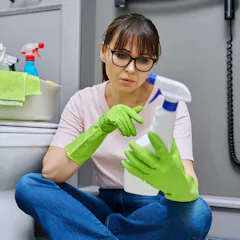
We are exposed to countless chemicals every day, some of which can harm our health. Measuring the effects of this pollution is a major challenge.

A new road charge mooted for electric vehicle drivers is based on a fundamental misconception.
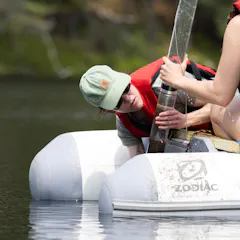
Acid rain and metals from power plants, vehicles and industries reached remote mountain lakes for years. Evidence from those lakes today shows the success of the Clean Air Act.
Tires are complex chemical products. When they wear away, they release additives into the environment that can poison wildlife.

Light Pollution is a significant environmental issue and is spreading rapidly. The good news is that it is easy to fix - find out how here…
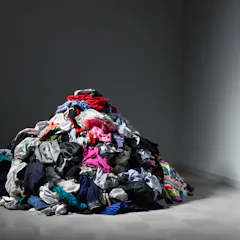
Ultra-fast fashion comes with a host of environmental problems. Australia’s response to the deluge of cheap low quality clothes hasn’t led to change.

Colonialism, corporate greed and lax regulation led to widespread pollution, particularly affecting Yellowknives Dene communities.

Huge numbers of chemical discharges into our waterways are not being classified as a pollution incidents.
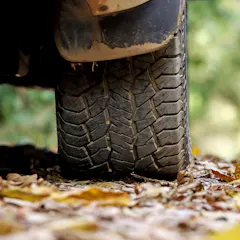
Rain storms wash those tire shards into streams and ultimately into lakes and oceans. That’s bad news for fish and other aquatic life.
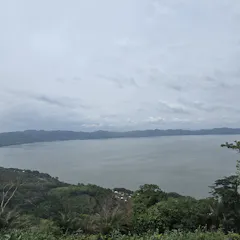
The activities of illegal miners are a threat to the sustainability of the crater.
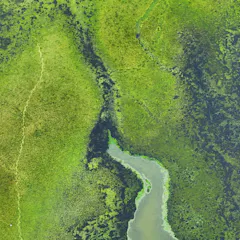
From detecting pollutants to assessing health risks, the US EPA’s Office of Research and Development has long ensured that environmental decisions are grounded in credible, cutting-edge science.

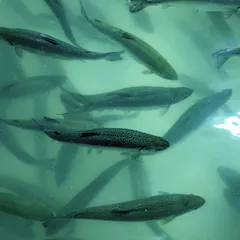
Pesticides have polluted waterways worldwide. Understanding the subtle effects of these chemicals on fish behaviour can help guide better policy and regulation.
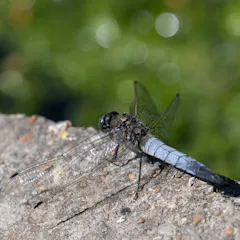
There’s a need for more surveys of macroinvertebrates in African countries.
Cancer rates are rising among younger people aged under 50. Here’s what we know about the causes – and what the evidence says about the role of plastics.

Current science communications in Cape Town are not serving the public well.
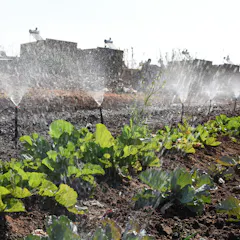
Researchers are tracking multi-drug resistant bacteria in South Africa’s water to see how it endangers food safety when it’s used to irrigate crops.

Having to protect and conserve drinking water and its sources is as relevant today as it always has been.
The White House proposal represents a dramatic retreat from the national goals of clean air and clean water enacted in federal laws over the past 55 years.
Top contributors
-

Honorary Professor, School of Natural Sciences, Macquarie University
-
Associate Professor in Environmental Science, Western Sydney University
-
Professor, UNSW Law & Justice and UNSW Institute for Climate Risk & Response, UNSW
-
Professor of Environmental Science, University of South Africa
-
ARC Future Fellow and Associate Professor in Climate Science, ARC Centre of Excellence for 21st Century Weather, The University of Melbourne
-
Emeritus Professor of Medicine, Adelaide University
-
Senior Principal Research Scientist, Environment, CSIRO
-
Senior Research Fellow at the Stockholm Environment Institute, University of York
-
Professor, Obafemi Awolowo University
-
Professorial Fellow, ARC Centre of Excellence for Coral Reef Studies, James Cook University
-
Professor of Biology, University of Portsmouth
-
Professor, Australian National University
-
Associate Professor, Australian National University
-
Postdoctoral research fellow, University of the Ryukyus, Okinawa Japan, Madonna University, Nigeria
-
Associate Professor and Water Management Expert, University of South Africa