
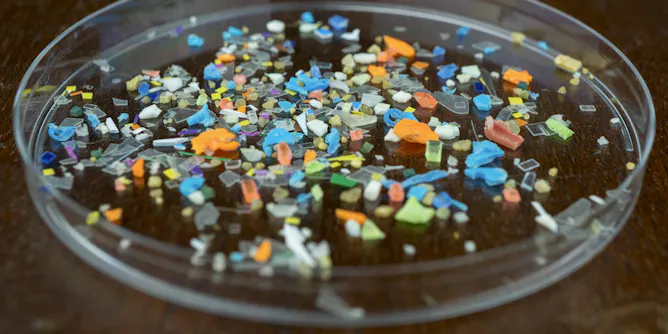
To deal with microplastic pollution, it helps agencies to know what kind of plastic they’ve got on their hands.
Articles on Pollution
Displaying 141 - 160 of 660 articles
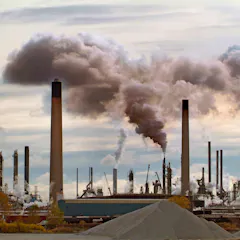
Between 2000 and 2020, only one-third of environmental enforcement actions were actually brought against the biggest corporate offenders.

An estimated 13 per cent of Albertans live within 1.5 kilometres of an active oil or gas well. This proximity can have adverse impacts on their health.
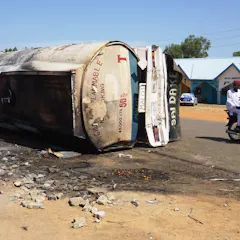
Fuel tanker accidents in Nigeria can be prevented by restructuring the built environment, providing parking spaces for the tankers, and constructing good roads.
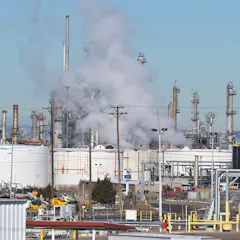
Limiting exposure to air pollution will have lasting impacts on Colorado communities with the highest exposure.

Burning plastic as fuel for cooking and heating releases toxic chemicals into the air and contaminates food. Yet this is common in many parts of the world.
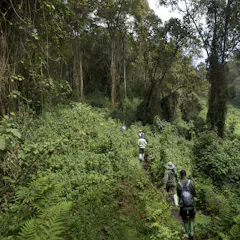
All countries must accelerate efforts to avert the biodiversity crisis, and preserve Earth’s precious natural places for future generations.

The organisms that cause greening are highly concentrated in Kenya’s shallow Winam Gulf.

The PFAS in lithium-ion batteries is a major obstacle to recycling or disposing of these batteries safely. But we have a way to fix this problem.
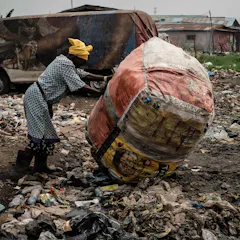
In Nigeria, informal collectors of plastic bottle waste are central to resolving the clash between its environmental costs and economic benefits.
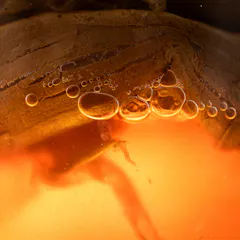
Give a bacteria-fungi biofilm access to sweetened tea and you can make not only kombucha – but a fibre vital to making clothing.
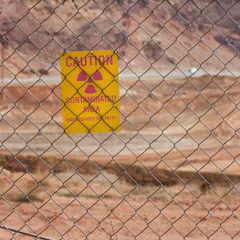
A uranium mine wants to drill into a giant aquifer system the size of Austria.
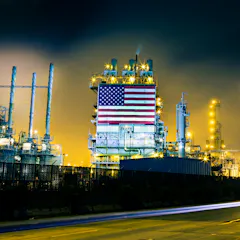
For example, the first Trump administration tried to use the principles of transparency to prevent federal agencies from considering major health studies when setting pollution rules.

Should we use less-polluting and silent fireworks, drones and laser light shows to replace traditional displays? Research shows there is still an environmental cost.
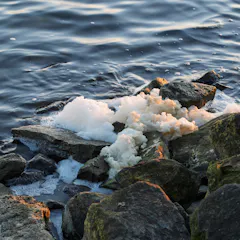
PFAS are made up of a chain of incredibly strong carbon-fluorine bonds, which make them difficult to break down.
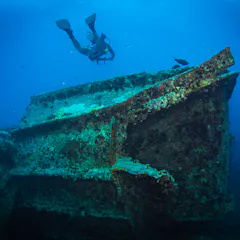
As their structures break down, the wrecks could release toxic substances into the environment.

Many ecosystems face multiple serious threats. Recovery will be complex and difficult – but not impossible.

Once these chemicals are in an environment they almost never break down.
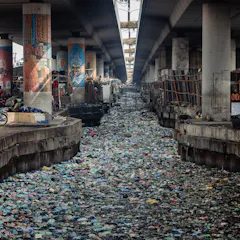
There are 960 million disposable baby diapers used and thrown away every year in Ghana, Nigeria and Kenya. Ways need to be found to recycle them instead.
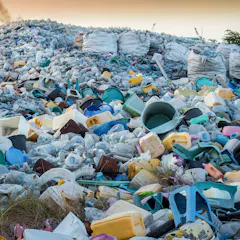
Right now, nations are negotiating the details of a treaty designed to slash plastic waste. One option on the table: tax new plastic to discourage overproduction.
Top contributors
-

Honorary Professor, School of Natural Sciences, Macquarie University
-
Associate Professor in Environmental Science, Western Sydney University
-
Professor, UNSW Law & Justice and UNSW Institute for Climate Risk & Response, UNSW
-
Professor of Environmental Science, University of South Africa
-
ARC Future Fellow and Associate Professor in Climate Science, ARC Centre of Excellence for 21st Century Weather, The University of Melbourne
-
Emeritus Professor of Medicine, Adelaide University
-
Senior Principal Research Scientist, Environment, CSIRO
-
Senior Research Fellow at the Stockholm Environment Institute, University of York
-
Professor, Obafemi Awolowo University
-
Professorial Fellow, ARC Centre of Excellence for Coral Reef Studies, James Cook University
-
Professor of Biology, University of Portsmouth
-
Professor, Australian National University
-
Associate Professor, Australian National University
-
Postdoctoral research fellow, University of the Ryukyus, Okinawa Japan, Madonna University, Nigeria
-
Associate Professor and Water Management Expert, University of South Africa