
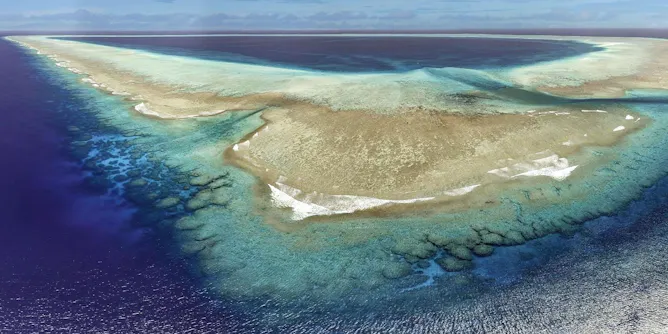
Australia’s largest oil and gas company wants to drill for gas under a pristine coral reef.
Articles on Pollution
Displaying 181 - 200 of 660 articles
Acid mine drainage, toxic water spilling from mines, ruins the environment and affects people’s health. Plants and bacteria could help clean it up.

The growing environmental and health risks posed by microplastics can only be addressed by reducing the amount of plastic produced and ensuring that all of it is recycled.
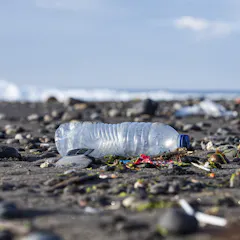
A new study shows up to 90% of floating plastic rubbish is captured in estuaries and inner shorelines. Local community cleanups can make a real difference by stopping pollution at its source.
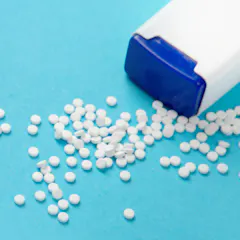
Artificial sweeteners aren’t metabolised by the human body, so they are excreted – and that’s where the environmental problems begin.
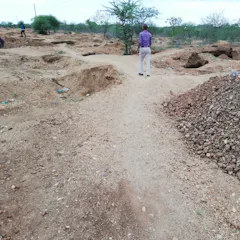
Smallholder farmers in Gwanda, rural Zimbabwe face droughts and rising temperatures from climate change. Their environment is also being damaged by artisanal gold miners, new research has found.
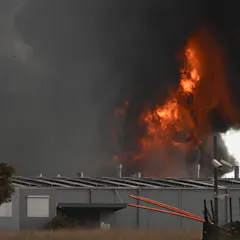
The first thing to remember is that all smoke is harmful. Typically, if you can smell smoke, it’s at a level where it’s impacting your health.

New research shows an abundance of microplastics in the St. Lawrence River and its estuary, where 45 million people live and is home home to several million animals, invertebrates and plants.

Geoscience literacy and awareness among the Ghanaian public is poor.

Millions of people are being urged to take part in Plastic Free July. Yet we know consumer choice is only one part of the picture. Eliminating plastic waste requires broader structural change.

Growing and changing demands for water and the increasing impacts of climate change are adding to the challenge of ensuring everyone has access to a safe and reliable water supply.
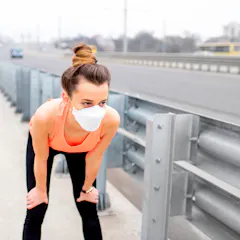
Sports activities can expose you to pollutants that are hazardous to your health.
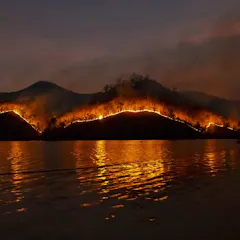
The record-breaking and destructive forest fires of the summer of 2023 made headlines. But how did they affect the millions of lakes in the burned catchment areas?

Researchers found blood-lead levels in sparrows were a predictable indicator of blood-lead levels in children – showing how humans and nature are inextricably linked.
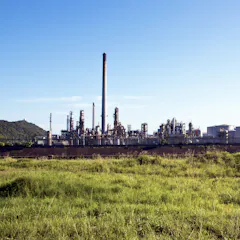
South Africa’s state-owned Central Energy Fund has paid five US cents, or one rand, for a huge oil refinery that isn’t in working condition. The public may have to foot the bill to clear up oil leaks.
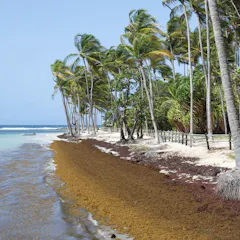
A leading driver of this seaweed invasion is pollution, carried down rivers and into the Atlantic Ocean from the continents.
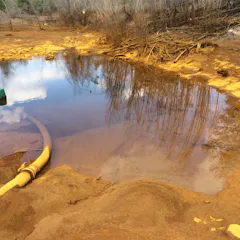
Uncontrolled pollution from hundreds of disused mines has contaminated the water and soil used by Soweto’s urban farmers.
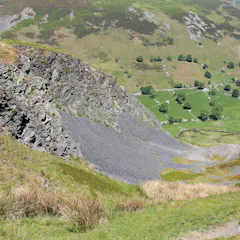
New research shows how old lead mines are polluting the environment and surrounding wildlife and farmland with legacy contaminants.

Modern pharmaceuticals have saved millions of lives, however, there is growing concern that these same drugs may pose a real ecological concern for human and non-human life alike.
States are once again turning to desalination to secure freshwater supplies. The problem is, they’re often choosing the wrong spot for ecosystems and fisheries
Top contributors
-

Honorary Professor, School of Natural Sciences, Macquarie University
-
Associate Professor in Environmental Science, Western Sydney University
-
Professor, UNSW Law & Justice and UNSW Institute for Climate Risk & Response, UNSW
-
Professor of Environmental Science, University of South Africa
-
ARC Future Fellow and Associate Professor in Climate Science, ARC Centre of Excellence for 21st Century Weather, The University of Melbourne
-
Emeritus Professor of Medicine, Adelaide University
-
Senior Principal Research Scientist, Environment, CSIRO
-
Senior Research Fellow at the Stockholm Environment Institute, University of York
-
Professor, Obafemi Awolowo University
-
Professorial Fellow, ARC Centre of Excellence for Coral Reef Studies, James Cook University
-
Professor of Biology, University of Portsmouth
-
Professor, Australian National University
-
Associate Professor, Australian National University
-
Postdoctoral research fellow, University of the Ryukyus, Okinawa Japan, Madonna University, Nigeria
-
Associate Professor and Water Management Expert, University of South Africa