
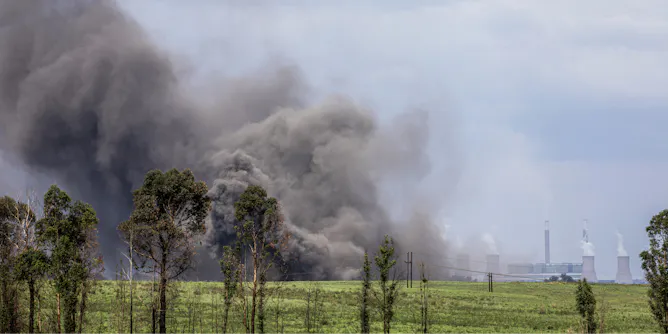
South Africa’s coal mines seem to be leaking far more methane than official records show.
Articles on Pollution
Displaying 81 - 100 of 660 articles
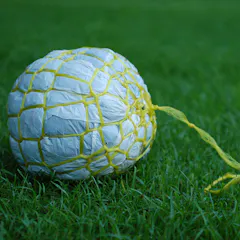
An EcoBall match is a live demonstration of the circular economy.

The situation had to get pretty bad before people really forced the government to act. But the effort was ultimately successful.
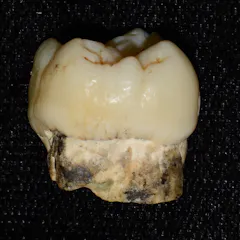
Long before industry, our ancestors faced toxic metals, including lead. This exposure may have shaped the evolution of human intelligence.
Companies with relatively many patents and more employees own facilities that tend to release lower proportions of their toxic waste into the environment.

Researchers developed a new method to remove microplastics from water.

Black mambas were found to be indicators of toxic poisons from heavy metals.

Careful research into public information and in-depth interviews has shown the scale of personnel cuts at the Environmental Protection Agency.
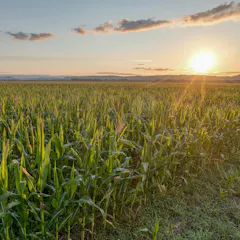
An environmental engineer explains how his research team is developing a system containing bacteria, biochar and gel to break down pollutants in waterways.

Using plastic waste in the Nigerian textile industry would reduce pollution, generate employment, and cut a niche in the world of sustainable fashion.
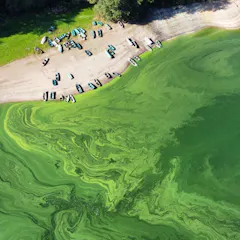
The small country of Luxembourg acts as a living laboratory where new water monitoring technologies can be tested at scale.
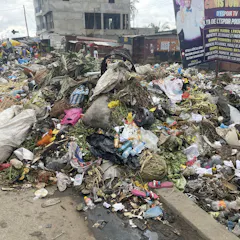
Only 43% of Cameroon’s urban residents have their garbage removed from their homes. Other garbage ends up dumped, burned or placed in overflowing communal bins.

The world puts a lot of unnecessary microplastics into the environment − such as glitter in makeup. Even better filters in washing machines could help.
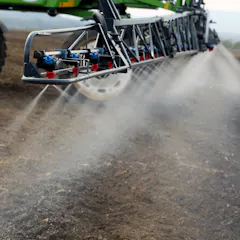
A recent study of nearly 200 European wheat farms found 73 different pesticides – including in organic fields.

Nanoplastics can cross the blood-brain barrier – and being able to better detect them is the first step in addressing their potential impact.
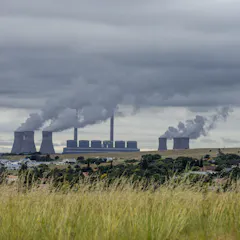
South Africa’s new climate targets cut emissions only modestly by 2035; a cautious path risks missing green investment, even though deeper cuts are within reach.
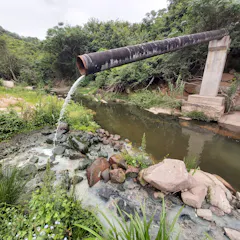
At least 20 million litres of sewage is leaking from pipes into the environment in just one South African city. The problem could cause ecological collapse.

It’s taken years for Australia to ban three types of forever chemicals. But Europe plans to ban thousands of these chemicals to avoid future issues.
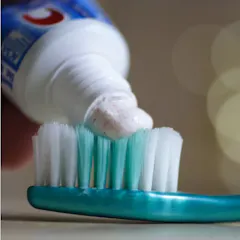
South Africa plans to ban plastic microbead particles that wash into the ocean and end up in the fish we consume. The ban may take two years to come into effect.
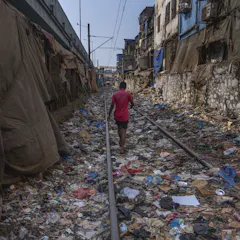
Cleanup is needed to mitigate ecological, economic and social impacts of plastic pollution now and in the future.
Top contributors
-

Honorary Professor, School of Natural Sciences, Macquarie University
-
Associate Professor in Environmental Science, Western Sydney University
-
Professor, UNSW Law & Justice and UNSW Institute for Climate Risk & Response, UNSW
-
Professor of Environmental Science, University of South Africa
-
ARC Future Fellow and Associate Professor in Climate Science, ARC Centre of Excellence for 21st Century Weather, The University of Melbourne
-
Emeritus Professor of Medicine, Adelaide University
-
Senior Principal Research Scientist, Environment, CSIRO
-
Senior Research Fellow at the Stockholm Environment Institute, University of York
-
Professor, Obafemi Awolowo University
-
Professorial Fellow, ARC Centre of Excellence for Coral Reef Studies, James Cook University
-
Professor of Biology, University of Portsmouth
-
Professor, Australian National University
-
Associate Professor, Australian National University
-
Postdoctoral research fellow, University of the Ryukyus, Okinawa Japan, Madonna University, Nigeria
-
Associate Professor and Water Management Expert, University of South Africa