
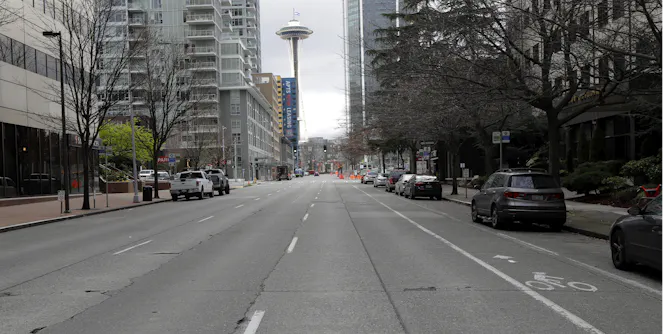
The US is gradually shifting to lower-carbon energy sources, but the COVID-19 pandemic, an oil price crash and a likely recession are big speed bumps.
Articles on Oil prices
Displaying 81 - 100 of 121 articles
COVID-19 is a huge challenge for the whole world, and Canadian oil producers, already suffering from long-term market trends, will be particularly badly hit.
Tensions between Iran and the US have spiked, but oil prices have barely budged. Why not? And is the oil markets’ muted response an accurate reflection of the rising tensions?
To make sense of the Soleimani assassination, you need to look at the global economics of oil.
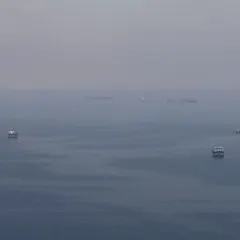
A fifth of the world’s oil travels through the narrow waterway.
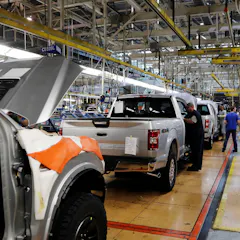
Drivers buy less gas when filling the tank burns holes in their wallets.
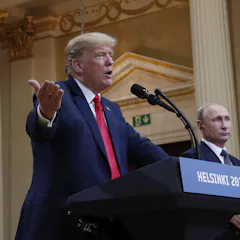
Vladimir Putin may well have something on Donald Trump. But their close ties could also be about oil prices and Trump’s efforts to get Russia to ends it alliance with China.
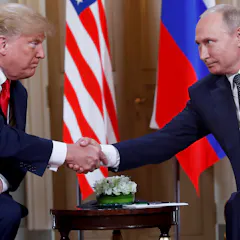
Not only does U.S. law bar price-fixing, there are bipartisan efforts underway to make it possible to sue OPEC members in American courts for antitrust violations.
Oil prices have little to do with supply or demand or even economic forces. Instead, it’s all about politics.
Our research on the oil cartel shows, that it really matters whether OPEC members ‘failed to agree’ or ‘agreed to disagree’.
The connection between oil and arms trade is not a conspiracy theory.
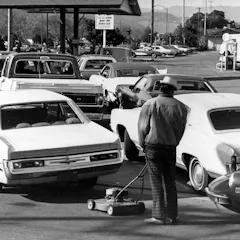
Since the federal government started setting fuel economy standards, US-built cars have doubled their fuel efficiency, saving money for consumers and reducing pollution.
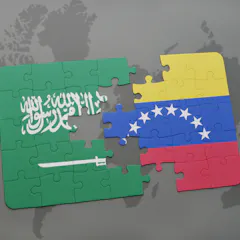
When the price collapsed, the world’s most disastrously oil-dependent state was the biggest casualty.
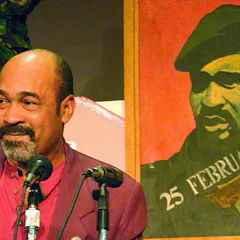
Oil-dependent and led by a charismatic dictator with a chaotic economic policy, is Suriname the next Venezuela?
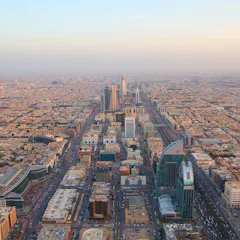
Saudi Arabia’s economy is almost entirely dependent on oil. Here’s how it’s trying to change that.
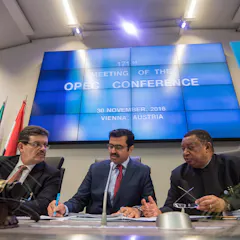
OPEC’s recent decision to cut supply is a classic move from the oil cartel playbook. But in today’s era, there are many more players and game-changing technologies on the field.
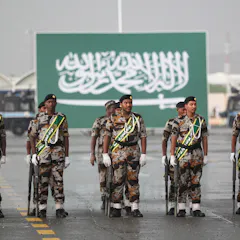
The interventionist foreign policy of the Gulf states is increasingly at odds with their economic security.
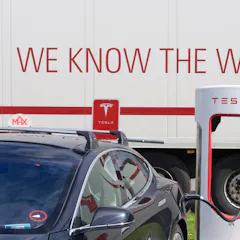
Energy companies shouldn’t rely on government regulation to protect them from the growing disruption from renewables and increased consumer control.
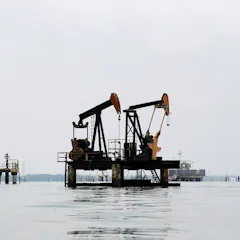
OPEC has been declared dead in recent months as the group of oil-exporters has been unable to agree on a plan to stabilize the market. But was it really ever alive in the first place?
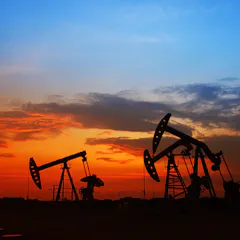
Gulf states such as Saudi Arabia and Qatar are beginning the painful process of restructuring their economies away from oil dependence.
Top contributors
-

Lecturer in Energy Systems, University of Oxford
-
Lecturer in International Studies, University of Washington
-
Professor Emeritus of Economics, McMaster University
-
Honorary Fellow, The University of Queensland
-
Professor of Finance and Distinguished Professor of Applied Investments, Appalachian State University
-
Professorial Fellow, University of Canberra
-
Professor, Geography Department and School of Public Policy & Global Affairs, University of British Columbia
-
Director, Energy, Climate Justice, and Sustainability Lab, and Research Professor, New York University; Tufts University
-
Professor and Head, School of Business, Monash University Malaysia
-
Energy Economist, University of Surrey
-
Associate Professor, School of Economics, University of Sydney
-
Director, Queen's Institute for Energy and Environmental Policy, Queen's University, Ontario
-
Associate Professor of Finance, Mississippi State University
-
Associate Professor of Economics and Finance, University of Tasmania
-
Departmental Visitor, Centre for Arab and Islamic Studies, Australian National University