

An oil surplus means that so far reaction has been muted – but disruption and rising prices could still be on the cards.
Articles on Oil prices
Displaying 41 - 60 of 121 articles
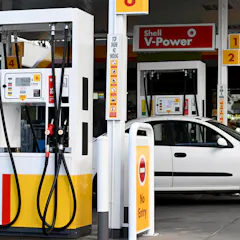
Despite not relying on Iran for its oil supplies, petrol and other prices in Australia will rise due to the global impact of the Israel–Iranian war.
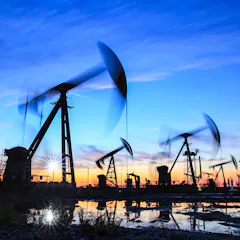
Oil exporters have made hay with high prices, but their environments have borne the costs.
Angry, accusatory partisan exchanges over the Middle East war have dominated federal politics this week. But for most ordinary voters the issue remains “over there”.
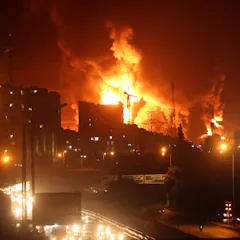
Israel’s response to Iran’s escalation of the current Middle East conflict could cause oil prices to rise further in days to come.

Whereas oil producers like Saudi and the UAE are spending heavily to diversify away from carbon, the same can’t be said of many other Opec members.
Pump prices are a big deal in a country still hooked on fossil fuels.

History shows how conflicts can create uncertainty that can rattle financial markets. This could feed into consumer price inflation, keeping it higher for longer.
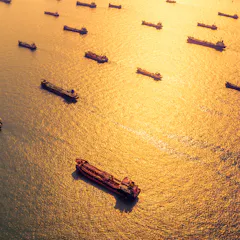
An initial squeeze on demand for Russian oil due to western sanctions was temporary but the country’s oil industry might have bigger problems.
Alongside the global economic outlook, Russian supply and Chinese demand are contributing to ‘a cocktail of uncertainty’ for oil prices.

Russia tried to weaponize energy to keep European nations from opposing its war in Ukraine, but the real pain from Putin’s actions and Western sanctions has been felt far from Europe.
Government attempts to manage energy prices could actually create more volatility in oil and gas markets.
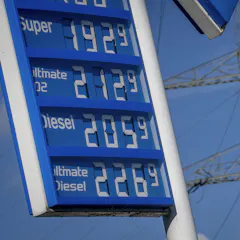
The impact of oil sanctions on Russia is limited compared to the severe repercussions they have on the global economy and other countries’ abilities to achieve energy security and transition.
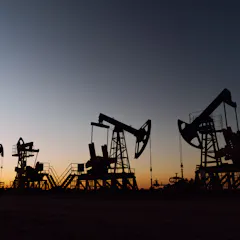
A G-7 strategy to cap Russia’s oil prices and continue to weaken that economy is intended to halt the war in Ukraine. Could it work?

The key to reducing green hydrogen costs in the future lies mainly in technological improvements.
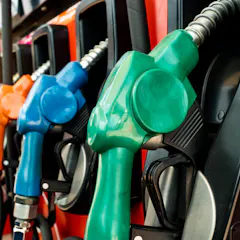
With global oil prices falling, the end of the fuel excise discount will put Australian motorists back in familiar price territory.
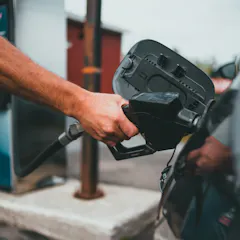
If the fuel excise cut is not extended, average petrol prices in Australia will almost certainly return to the above $2 territory by early October. But a different solution is needed.
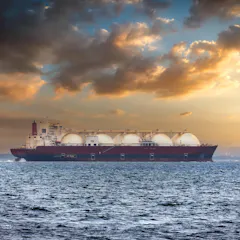
Hopes that prices will ease are probably wishful thinking.
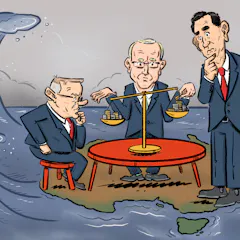
Asked how high an inflation rate Australia should prepare to tolerate, three of the 48 economists nominated 8% or higher. Seven expected inflation to fall without the need for further action.
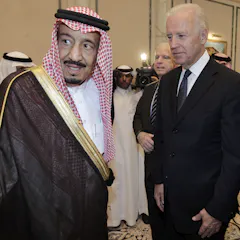
Joe Biden is set to make his first visit as president to the Middle East, during which he will meet the Saudi crown prince the US accuses of ordering the murder of a journalist.
Top contributors
-

Lecturer in Energy Systems, University of Oxford
-
Lecturer in International Studies, University of Washington
-
Professor Emeritus of Economics, McMaster University
-
Honorary Fellow, The University of Queensland
-
Professor of Finance and Distinguished Professor of Applied Investments, Appalachian State University
-
Professorial Fellow, University of Canberra
-
Professor, Geography Department and School of Public Policy & Global Affairs, University of British Columbia
-
Director, Energy, Climate Justice, and Sustainability Lab, and Research Professor, New York University; Tufts University
-
Professor and Head, School of Business, Monash University Malaysia
-
Energy Economist, University of Surrey
-
Associate Professor, School of Economics, University of Sydney
-
Director, Queen's Institute for Energy and Environmental Policy, Queen's University, Ontario
-
Associate Professor of Finance, Mississippi State University
-
Associate Professor of Economics and Finance, University of Tasmania
-
Departmental Visitor, Centre for Arab and Islamic Studies, Australian National University