
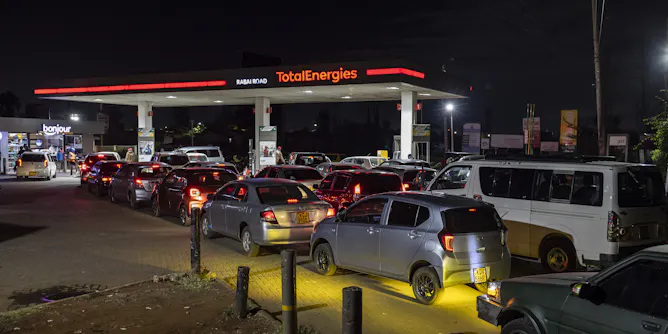
African countries need to remove the obstacles to trade within the continent and hold stocks of fuel and fertiliser.
Articles on Oil prices
Displaying 1 - 20 of 121 articles
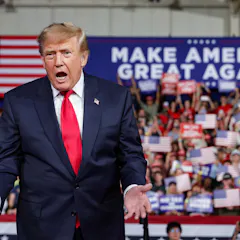
Donald Trump’s presidency has seen unprecedented executive power, meaning Democratic gains could have limited impact on oil prices and tariffs.
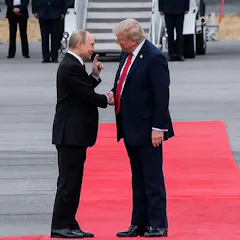
The US president appears to have made an abrupt about-turn in US policy towards Russia and the Ukraine war.

A historian traces how Oil City brokers, then John D. Rockefeller, then futures exchanges decided what the world pays for crude – and why no one entity does today.
Seven months into the US conflict with Iran, with no clear end in sight, the global oil market has now largely exhausted the safety measures that exist to keep a lid on petroleum prices.
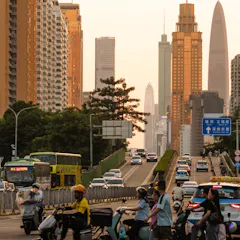
As renewed chaos grips the oil market, China is reaping the benefits of electric vehicles. But Australia’s reliance on diesel leaves it exposed.
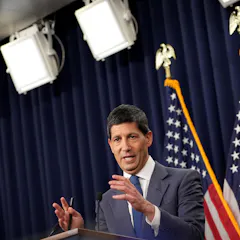
Fresh off a divided Fed vote to hold rates, policymakers confront a deeper question: Which of conflicting inflation gauges should guide them?

The RBA has warned it’s prepared to raise rates again to tame inflation. But these latest figures give it time to pause until November.
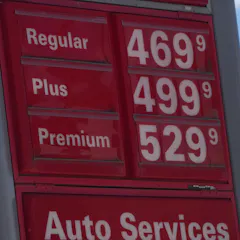
A key challenge for the Federal Reserve is that higher gas prices are inflationary, but they also reduce households’ spending power and dampen growth.

An energy law expert explains what makes this group of oil-producing nations so influential.
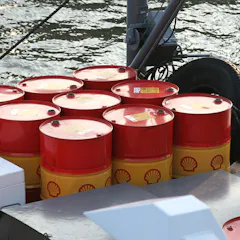
Rising energy prices and tighter global financial conditions are exposing the limits of Ghana’s
import-dependent fuel model.
Who gets all that cash, and what do they do with it?
$120 oil didn’t start this EV transition. And cheaper oil won’t stop it.

Rising oil and fertilizer costs linked to Middle East tensions could affect food prices, but the effects will vary across products and may take time to fully emerge.

And a US blockade of the strait of Hormuz is unlikely to ease the situation.
Even in more peaceful times, oil is considered to be one of the world’s most volatile commodities.
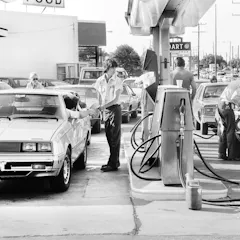
Modern economies are better prepared for an energy shock than in the 1970s, but there are still big risks ahead.

US consumers, already feeling pain at the gas pump, can expect higher prices and prolonged shortages for goods of all sorts, including food, as additional consequences of slowed oil production.
Nations’ stores of petroleum can dampen price shocks in the short term, but as reserve supplies dwindle, economic pain may continue.
Research suggests that profiteering may actually be more likely when we’re not watching prices closely.
Top contributors
-

Lecturer in Energy Systems, University of Oxford
-
Lecturer in International Studies, University of Washington
-
Professor Emeritus of Economics, McMaster University
-
Honorary Fellow, The University of Queensland
-
Professor of Finance and Distinguished Professor of Applied Investments, Appalachian State University
-
Professorial Fellow, University of Canberra
-
Professor, Geography Department and School of Public Policy & Global Affairs, University of British Columbia
-
Director, Energy, Climate Justice, and Sustainability Lab, and Research Professor, New York University; Tufts University
-
Professor and Head, School of Business, Monash University Malaysia
-
Energy Economist, University of Surrey
-
Associate Professor, School of Economics, University of Sydney
-
Director, Queen's Institute for Energy and Environmental Policy, Queen's University, Ontario
-
Associate Professor of Finance, Mississippi State University
-
Associate Professor of Economics and Finance, University of Tasmania
-
Departmental Visitor, Centre for Arab and Islamic Studies, Australian National University