
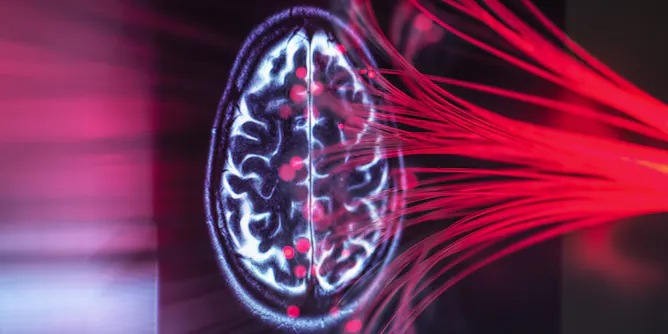
Optogenetics, a field that started with an algae gene, is shedding light on new treatments for eye and neuropsychiatric conditions.
Articles on Nobel Prize 2026
Displaying all articles
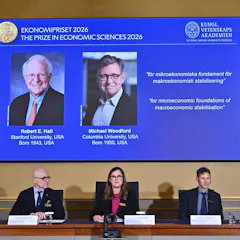
Robert E. Hall and Michael Woodford were announced as this year’s winners.
For more than a century, scientists have treated Antarctica’s environments as windows into worlds beyond Earth.
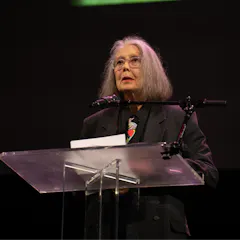
Whether via her fill-in-the-blank translations or guest appearances on indie rock albums, Anne Carson has infused antiquity with a contemporary tongue
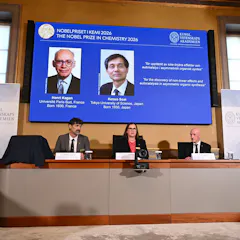
The 2026 Nobel Prize in chemistry gave a hand to handed molecules – and the processes chemists use to create them.
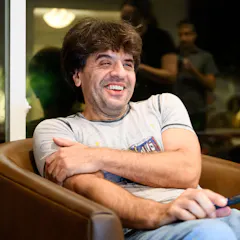
From algae to a Nobel prize: listen to The Conversation Weekly podcast to hear Karl Deisseroth explain his brain science breakthrough.
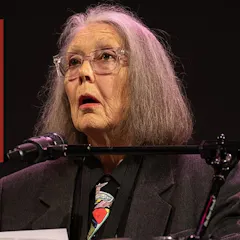
At a time when scholarship and creative writing are often treated as separate pursuits, Carson has shown how deeply they belong together.
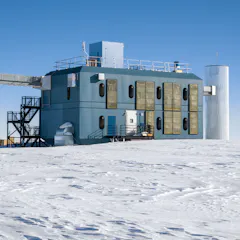
IceCube looks for high energy neutrinos from space. It joins the ranks of complementary experiments that study neutrinos originating closer to home.
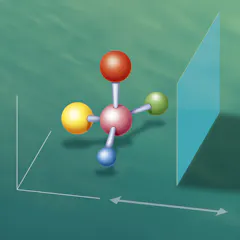
From thalidomide to resveratrol, molecules with the exact same chemical properties can have drastically different effects in the body depending on how they’re arranged in space.
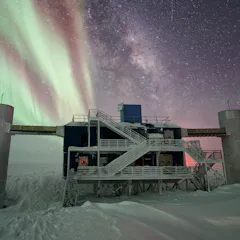
The 2026 Nobel Prize in physics recognizes Francis Halzen’s vision in building an unusual telescope in Antarctica, as well as the neutrino discoveries it’s made.
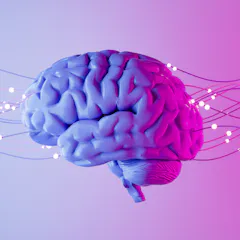
Neuroscientific advances follow a pattern of visualizing the brain, measuring its function and then controlling it. Optogenetics may lead to a new era of medical treatment.
Top contributors
-

Professor of Bioengineering and of Psychiatry and Behavioral Sciences, Stanford University
-
Professor of Physics and Astronomy, Michigan State University
-
Associate Professor of Pharmaceutical Sciences, University of Maryland Eastern Shore
-
Associate Professor in Classics & Comparative Literature, University of Bristol
-
Professor of Physics and Professor of Astronomy and Astrophysics, Penn State
-
Assistant Professor of Chemistry, Wake Forest University
-
Assistant Research Professor in Psychology, Arizona State University
-
Associate Professor of Writing, USC Dornsife College of Letters, Arts and Sciences
-
Assistant Professor of History, Texas Tech University
-
Research Affiliate, Scott Polar Research Institute, University of Cambridge
-
Senior Lecturer in Economics, Bournemouth University
-
Assistant Professor of Chemistry, Wake Forest University