
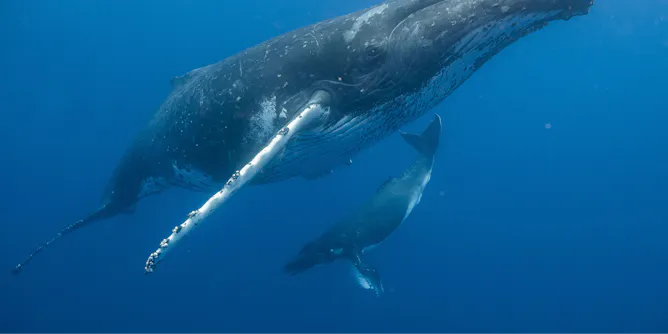
Humpbacks survived centuries of whaling. But melting sea ice and krill shortages pose another challenge entirely.
Articles on Antarctica
Displaying 1 - 20 of 417 articles
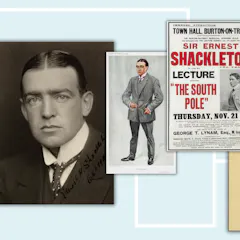
Ernest Shackleton used being sent home to own the story of Antarctic exploration.
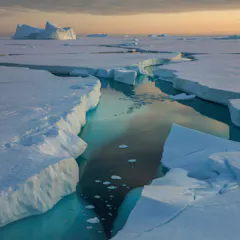
It looks as though Antarctica’s conditions have allowed unique microbial communities to develop.
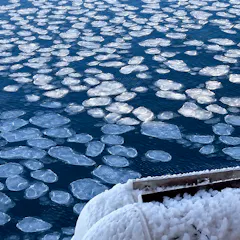
Melting sea ice protects the deep ocean from warming – but when sea ice levels declined, the system began to break down.
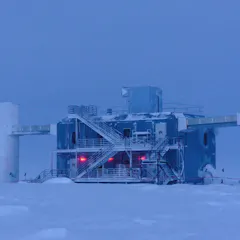
For more than a century, scientists have treated Antarctica’s environments as windows into worlds beyond Earth.
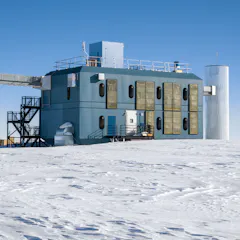
IceCube looks for high energy neutrinos from space. It joins the ranks of complementary experiments that study neutrinos originating closer to home.
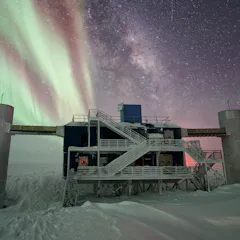
The 2026 Nobel Prize in physics recognizes Francis Halzen’s vision in building an unusual telescope in Antarctica, as well as the neutrino discoveries it’s made.

The Antarctic ice sheet’s future depends how a chain of events plays out. A new study finds the evidence points in one direction.
If all the ice in the Wilkes Subglacial Basin melted, it would raise global sea levels 3 to 4 metres. It happened before – at temperatures we’re heading towards
This spring’s ozone hole is likely to be among the top ten most severe of all time, bringing weather changes to New Zealand and Australia.
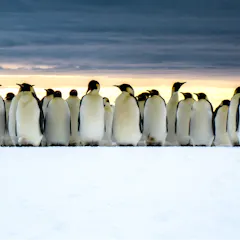
New satellite methods can track penguin colonies in winter – and can judge their health based on the colour of their guano.
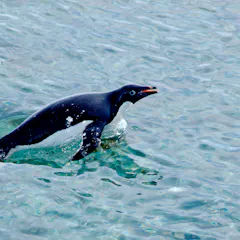
When penguin colonies are surrounded by sea ice, the penguins tend to eat more fish, rather than krill. And colonies that eat more fish are more successful at sustaining their numbers.
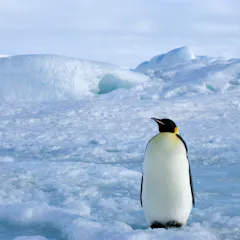
A breakthrough has helped researchers track down penguins living in the dark.
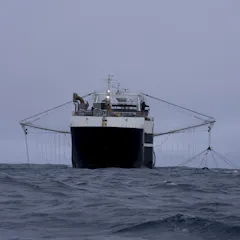
With location regulations no longer in force, fishing boats are harvesting thousands of tons of krill from very few areas, increasing competition with penguins, seals, whales and other marine life.

Robert Scott and Ernest Shackleton were comrades on their first Antarctic adventure but the expedition would sow the seeds of future rivalry.

The moral struggles of guiding tourists through a pristine landscape.
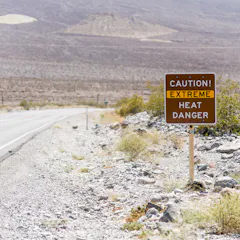
Death Valley set a record when the temperature reached 134 degrees Fahrenheit. Here’s why deserts can reach such scorching temperatures – and also very cold ones.
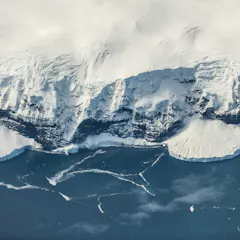
New solutions to two interlinked mysteries reveal how and why the Antarctic’s enormous ice sheet formed.
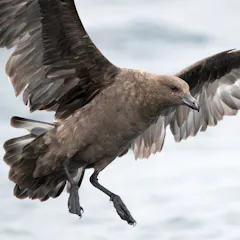
This is not the moment to call defeat. There is a chance we can stop this infectious virus, this time at least.

Long overlooked because of their size, giant viruses are now redefining the frontiers of microbiology.
Top contributors
-

Adjunct Professor, Institute for Marine and Antarctic Studies, University of Tasmania
-
Professor of Antarctic Studies, School of Humanities, University of Tasmania
-
Pro Vice-Chancellor of Research, University of Technology Sydney
-
Director of the ARC Centre of Excellence for Our Future Oceans and Scientia Professor in Oceanography, UNSW
-
Professor of Astrophysics, UNSW
-
Adjunct Senior Lecturer, University of Tasmania
-
Professor in Ocean Physics, University of Auckland, Waipapa Taumata Rau; Earth Sciences New Zealand
-
Chief Scientist, Australian Antarctic Division and Professor of Climate Science, Australian National University
-
Assistant Professor of History, Texas Tech University
-
Senior lecturer, Institute for Marine and Antarctic Studies, University of Tasmania
-
Australian Laureate Fellow, Distinguished Professor, Deputy Director of ARC Securing Antarctica's Environmental Future (SAEF), University of Wollongong
-
Honorary Senior Fellow in Ecology, University of Wollongong
-
Professor of Polar Geodesy and ARC Laureate Fellow, University of Tasmania
-
Antarctic Law Researcher, Institute for Marine and Antarctic Studies and the Antarctic Climate and Ecosystems CRC, University of Tasmania
-
Director, Securing Antarctica's Environmental Future and Professor of Biological Sciences, Monash University