

New research identifies the multiple ways in which brain changes may be helpful adaptations to the challenges of aging.
Articles on Neuroplasticity
Displaying 1 - 20 of 41 articles

Playing improv music activates the reward system of the brain.

Lifelong plasticity is a core principle of neuroscience, yet it operates within real limits shaped by effort, stress and ageing.
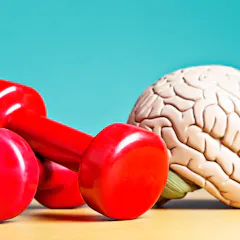
Challenging the brain by exposing it to new situations, tasks and skills can improve its efficiency, much like strength training does for our muscles. But maximum efficiency requires optimal rest.
The claim that the brain, and particularly the frontal lobe, finishes developing at 25 is far less solid than social media would have you believe.

Down syndrome results in changes to the structure and function of neural circuits in the brain. Delivering a specific protein to neurons could reverse these changes.
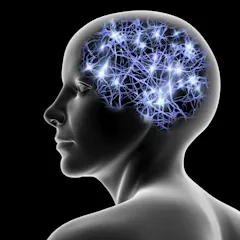
As you experience or encounter new things, your brain must encode this information via the right neural networks at the right time.

Strength training programs for young people can improve muscle tone, prevent obesity and develop good exercise habits that last into adulthood.
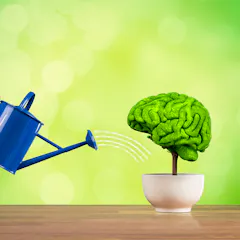
Lifestyle-related dementia risks are complex, with factors like sleep, exercise, diet and social contact interacting with things like cognitive reserve, neuroplasticity and inflammation in the body.
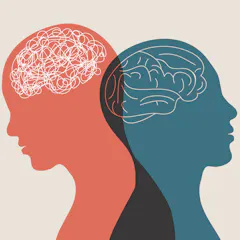
Combining psychotherapy with medication can lead to more immediate and enduring results by boosting the brain’s neuroplasticity.
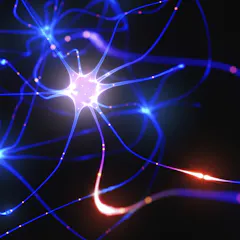
Pinpointing where memories are stored in the brain and how they are transmitted could provide new targets to treat neurological diseases and serve as models for neuromorphic computing.

‘Sensitisation’ can affect anyone, but some people may be more prone to it than others due to genetic factors, environmental factors or previous experiences.

Research shows that young adults and women are particularly susceptible to seasonal affective disorder.
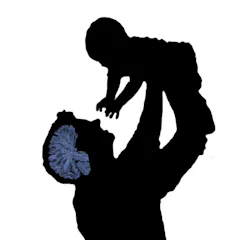
Neuroscientists know that pregnant mothers’ brains change in ways that appear to help with caring for a baby. Now researchers have identified changes in new fathers’ brains, too.

In a new study, a single infusion of the antidepressant – along with repeated exposure to positive imagery – significantly reduced symptoms in depressed patients in a clinical trial.

The key to understanding how brains can recover from trauma is that they are fantastically plastic – meaning our body’s supercomputer can reshape and remodel itself.
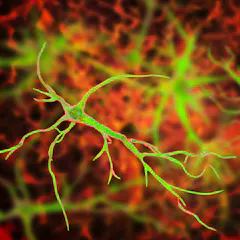
From the archive: new research helps unpick clues about the brain’s ability to change its structure. Listen to The Conversation Weekly podcast.

Mounting research shows that going for a swim can preserve memories, reduce mood disorders and increase mental acuity in all age groups.

A transcript of episode 13 of The Conversation Weekly podcast, including new research on neuroplasticity in the brain.

Plus, how researchers have discovered a biological switch that can turn neuroplasticity on and off in the brain. Listen to episode 13 of The Conversation Weekly podcast.
Top contributors
-

Professor and Head of Epigenetics and Neural Plasticity, Florey Institute of Neuroscience and Mental Health
-
Postdoctoral Fellow, UO Institute of Neuroscience and Howard Hughes Medical Institute, University of Oregon
-
Senior Lecturer (Adjunct), Nutritional neuroscientist, Adelaide University
-
Associate Professor of Psychiatry and Psychology, University of Pittsburgh
-
Lecturer in Rehabilitation, Adelaide University
-
Senior Research Fellow, Uehiro Centre for Practical Ethics, University of Oxford
-
Senior Research Fellow in Cognitive Science, Macquarie University
-
Visiting Assistant Professor, Simon Fraser University, Canada. Assistant Professor, Dayalbagh Educational Institute, India, Simon Fraser University
-
Head of Developmental Psychobiology Lab, Deakin University
-
Bradley Distinguished Professor, Adelaide University
-
Associate Professor of Psychology, Brandeis University
-
Emeritus Professor, The University of Melbourne
-
Professor of Biomedical Engineering, University of Manitoba
-
Postdoctoral Fellow, Academic Unit for Psychiatry of Old Age, The University of Melbourne
-
Scientia Professor of Ageing and Mental Health, Centre for Healthy Brain Ageing, UNSW