
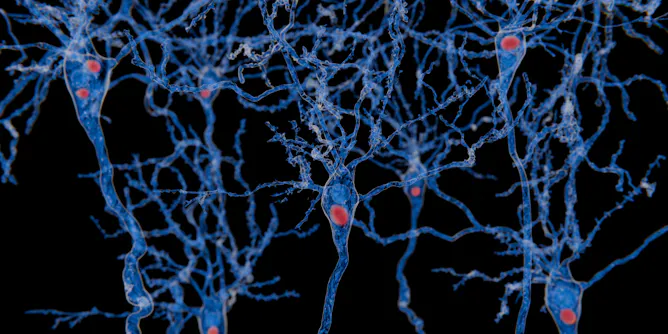
Dementia with Lewy bodies (DLB) is the second most common neurodegenerative disease in after Alzheimer’s.
Articles on Neurons
Displaying 1 - 20 of 122 articles
Optogenetics, a field that started with an algae gene, is shedding light on new treatments for eye and neuropsychiatric conditions.
Neuroscientific advances follow a pattern of visualizing the brain, measuring its function and then controlling it. Optogenetics may lead to a new era of medical treatment.

Trying to understand how the brain is so good at focusing on one conversation has kept auditory neuroscientists occupied since the 1950s.
Our understanding of the causes of Alzheimer’s disease is evolving. Recent discoveries have revealed the important role of the cerebral vascular system.

An expert in traumatic brain injuries explains why you need to protect your noggin.

There’s a lot going on in your brain all the time. To power your imagination, the neurons need some silence.

It was once believed that mice had relatively poor vision. Turns out mice are far from blind – and studying how their vision is shaped by their environment and behavior can clarify the same in people.

Down syndrome results in changes to the structure and function of neural circuits in the brain. Delivering a specific protein to neurons could reverse these changes.

Recent studies show that it’s possible to maintain good cognitive health as we age with certain leisure activities and pursuits that stimulate the brain.

Current treatments for alcohol abuse are limited in their effectiveness and come with side effects. Precisely targeting the neurons involved in binge drinking could lead to better options.

Your brain processes the pleasure of everyday behaviors like eating and drinking similarly to the pleasure of using drugs. Disentangling them requires understanding how memories are formed.
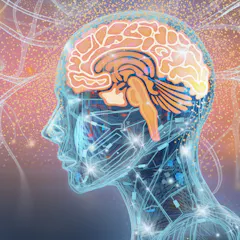
Science has done many things that seem miraculous. Why not transfer your consciousness to a machine?

How do animals and humans come up with novel ideas? It may be down to some very specific cells.
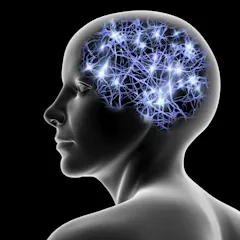
As you experience or encounter new things, your brain must encode this information via the right neural networks at the right time.

Pain is unpleasant, but it does have a purpose.

Understanding how new neurons affect brain function throughout adulthood can offer new approaches to treating epilepsy and dementia.
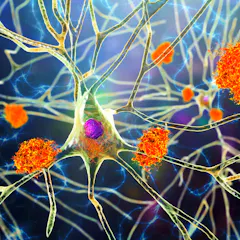
Tau behaves abnormally in the brain in people with Alzheimer’s disease. This latest study points to a reason why.
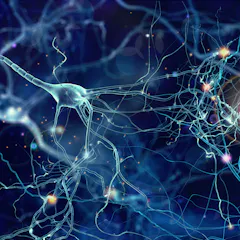
Are neurons star players, or do they prioritise teamwork? A new study has uncovered an answer for this long-standing debate about the brain.

Engineers have tried for decades to develop bionic eyes to reverse blindness. But the brain is far more complex than a computer.
Top contributors
-

Professeur agrégé de neurosciences computationnelles et neurophysiologie, L’Université d’Ottawa/University of Ottawa
-
Assistant Professor of Computer Science, Binghamton University, State University of New York
-
Postdoctoral Researcher in Cognitive Neurosciences, The University of Queensland
-
Professor of Electrical Engineering and Bioengineering, Tau Beta Pi Eminent Engineer, University of South Florida
-
Assistant Research Professor in Psychology, Arizona State University
-
Assistant Professor of Mechanical Engineering, Binghamton University, State University of New York
-
Research Fellow, Centre for Robotics, Queensland University of Technology
-
Chancellor's Professor of Medicine, Liberal Arts, and Philanthropy, Indiana University
-
Associate Professor of Neural and Behavioral Sciences, Penn State
-
Associate Professor of Psychology, Vanderbilt University
-
Professor of Cognition, Lancaster University
-
University of Illinois Urbana-Champaign
-
Sir Henry Dale Fellow in Cell & Developmental Biology, UCL
-
Ph.D. Student in Bioengineering, Researcher at the Center for Sensorimotor Neural Engineering, University of Washington
-
Graduate Student in Biomedical Science, Harvard University