

Sleep isn’t just a time when the brain shuts down. During sleep, the brain reviews the day’s experiences and strengthens important memories.
Articles on Sleep
Displaying 1 - 20 of 574 articles

New research identifies the multiple ways in which brain changes may be helpful adaptations to the challenges of aging.

To reduce the risk of sleep-related deaths the American Academy of Pediatrics recommends that babies sleep on their backs, on a firm surface, without soft bedding.

A new study suggests that sleep patterns may be linked to how people respond to antidepressants, raising the possibility of more personalised treatment.

Helping young people thrive involves supporting healthy relationships, as well as being engaged in work, school and family life.

Your eyes detect when darkness falls, triggering the brain to produce melatonin. But do supplements always have the same effect?
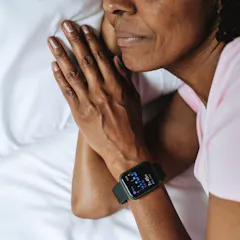
Can a sensor on your wrist really tell how your brain slept? Here’s what happens when sleep trackers go up against polysomnography, the clinical gold standard.

What happens to astronauts’ circadian rhythms when the Sun no longer provides a reliable schedule?

Travelling with kids isn’t easy and jet lag can be particularly painful. There are ways to make it easier.

Noise concerns have tanked several data centres proposed in residential areas in Australia. But is the noise just annoying, or is it bad for our health?
Universities and colleges won’t necessarily pay students to sleep. But they can offer other incentives that encourage them to close their eyes earlier.

It might seem like a weird thing to do, but more than two-thirds of people have talked in their sleep at some point.

Filling every spare moment with a podcast, message or social-media scroll may deny the brain a useful window for consolidating new memories.

Don’t dread the ‘afternoon slump’. Here’s what you can do to combat it.

Sleep is a learnt skill. While some babies learn to go to sleep easily, others need more help.

Eight hours isn’t necessarily the magic number for sleep. Your age, body clock and individual needs all matter.

On-call work doesn’t always mean responding to an emergency. But you typically have to switch into work mode very quickly – so it can be hard to fully switch off.

A bill now being considered in the Senate would make daylight saving time permanent, but research suggests moving to standard time would bring more benefits.
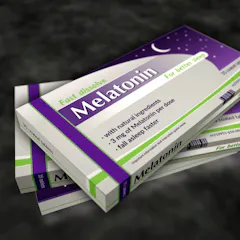
Melatonin is known for helping us sleep, but a new study suggests it may also ease chronic muscle and joint pain.

The controversial bill has passed the House of Representatives and now heads to the Senate, where it will face stiff opposition.
Top contributors
-

Emeritus Professor of Psychology, Adelaide Institute for Sleep Health, Flinders University
-
Sleep Researcher, Appleton Institute, HealthWise Research Group, CQUniversity Australia
-
Conjoint Senior Lecturer, School of Medicine and Public Health, University of Newcastle
-
Professor of Sleep Health, University of the Sunshine Coast
-
Associate Professor of Neurology, University of Pittsburgh
-
Research Professor and Director of the Behaviour-Brain-Body Research Centre, Adelaide University
-
Professor and Head of Paediatric Sleep Research, CQUniversity Australia
-
Associate Professor at Turner Institute for Brain and Mental Health, School of Psychological Sciences, Monash University
-
Professor of Sleep and Physiology and Director of Surrey Sleep Research Centre, University of Surrey
-
Sleep & Circadian Scientist, CQUniversity Australia
-
Senior Lecturer in Psychology, CQUniversity Australia
-
Lecturer, University of Cambridge; Anglia Ruskin University
-
Professor Emeritus of Nursing, University of British Columbia
-
Associate Professor, Adelaide Institute for Sleep Health, Flinders University
-
Royal Holloway, University of London