

Crystals are supposed to be hard and brittle. But when we make them bendy, they help reveal the secrets of how elastic materials work.
Articles on Materials science
Displaying 41 - 60 of 103 articles

Addressing the harmful chemical processes that accompany blunt force trauma to the brain can reduce the risk of long-term disability.
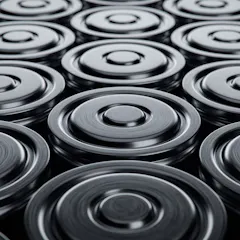
Discovering new materials could drive forward areas such as green technology and advanced electronics.

Just 2 layers of materials commonly used in biomedical labs can mimic the electrical properties of human skin.

As roads have evolved, so too have bikes and bike helmets.
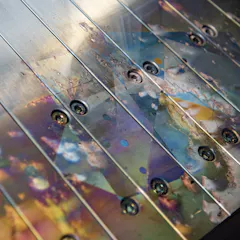
Fusion reactors get hot − scientists need materials that can take the heat without deforming and deteriorating.

Some materials react and generate potentially helpful particles when exposed to light. Analytical AI can help scientists sort through materials to find ones with this property.

New research demonstrates that the dye that gives nacho cheese its yellow-orange color can also make mouse skin see-through.
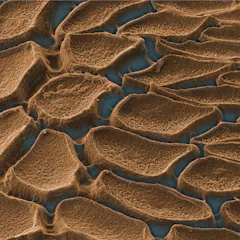
Researchers can use powerful microscopes to capture the tiny teeth in squid suckers.

Spacecraft exteriors that automatically heal from radiation damage would change the game − one material shows promise.

To model the inside of a supercapacitor, my team had to rework a common physics law that most high school students learn.

Summer means road construction − but what kind of engineering goes into laying down pavement?

A tonne of carbon dioxide is released for every tonne of cement manufactured from limestone.

I hate telling people I’m a chemist – but chemistry is the central science of the modern world.

Your skin heals from cuts and scrapes on its own − what if concrete could do that too?

‘Energetic’ materials are ones that readily ignite or detonate. The shapes of those materials have a big effect on how they burn or blow up.
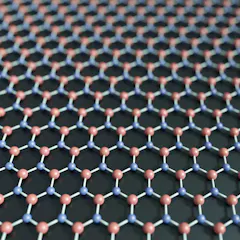
Two forms of the same boron nitride molecules couldn’t look and act more different – but combining them could lead to applications that have the best of both worlds.

‘Living materials’ made with genetically engineered bacteria and Jell-O-like gel could make pollutants in water bodies nontoxic.
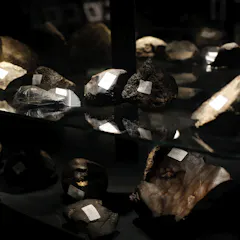
Some space rocks you can get for free – if you know how to identify them. Rarer materials cost more, and the asteroid sample NASA just brought back has a high price tag.
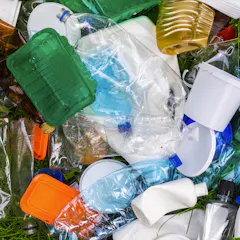
A team of scientists has developed a method for creating a new class of plastic materials that are potentially more recyclable than single-use plastics.
Top contributors
-

Director & Associate Professor of Sports Product Design, University of Oregon
-
Ph.D. Candidate in Chemical Engineering, University of California, Riverside
-
Professor of Advanced Technology Transitions, Arizona State University
-
Assistant Professor of Chemical and Biological Engineering, University of Colorado Boulder
-
Senior Industry Research Fellow, Future Industries Institute, Adelaide University
-
Professor of Geosciences, Franklin & Marshall College
-
Royal Academy of Engineering Chair in Emerging Technologies - Intelligent & Resilient Ocean Engineering, University of Southampton
-
ARC Laureate Professor in Chemistry, The University of Melbourne
-
Professor of Mechanical Engineering and Biology, Adjunct Professor of Physics, Georgia Institute of Technology
-
Associate Professor of Mathematics and Statistics, University of South Florida
-
Professor and Canada Research Chair in Quantum Materials Discovery, University of Winnipeg
-
Assistant Professor of Materials Science and Engineering, North Carolina State University
-
Associate Professor of Mechanical Engineering- Materials and Solid Mechanics, University of Maryland, Baltimore County
-
James R. Rice Distinguished University Professor of Engineering, University of Michigan
-
PhD Student in Solid Mechanics, Brown University