

Engineers are using a pigment from fungi to develop microscopic sponges that could absorb pesticides, nerve gas and more.
Articles on STEEHM new research
Displaying 1 - 20 of 188 articles
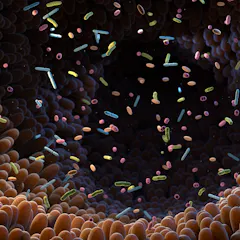
Both light and food provide signals your body listens to as it calibrates essential functions, including metabolism.

Researchers found that everyone in a 100,000 sample of people has at least one genetic variant that interacts with common prescriptions.

As insect biodiversity declines, people and all the other species on Earth stand to lose the beneficial ‘ecosystem services’ bugs provide.

The brain’s ability to process sound more consistently may influence how well you’re able to discriminate between different sounds.

This amoeba lives at hotter temperatures than any other eukaryote previously discovered.
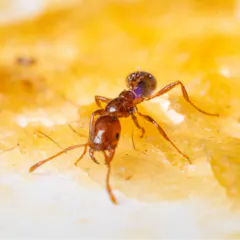
Earwax’s unusual physical properties help it repel insects in the lab. Is this a job it evolved to do in animal ears?

Cancer survivorship is often thought to begin after a patient receives their last treatment. But planning for life after cancer is critical to effective care.

Bones in archaeological sites, ancient rock art, paintings on frescos and vases, written historical records and ethnographic accounts all helped researchers recreate a deep history of people and tuna.

‘Use it or lose it’ isn’t quite true when it comes to the health benefits of exercise. Cells across the body retain a memory of training that lasts longer than once thought.

As dogs age, their brains undergo similar changes to human brains, making them a valuable natural model to study dementia and other neurodegenerative diseases.

Hunter-gatherers do not always seek total equality, but that doesn’t mean they aren’t egalitarian.
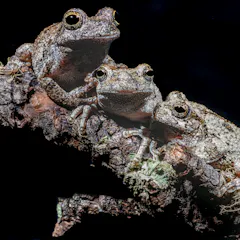
Many animal species – frogs and humans alike – struggle to make choices in a complex, overwhelming world.
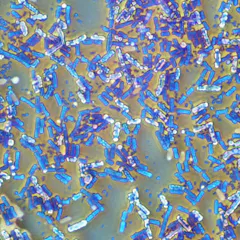
Bacteria make a survival gamble when they devote all their energy to forming spores. Evolution is quick to get rid of this function, and researchers did the accounting to understand why.

A strong immune response doesn’t necessarily mean better protection from infection. The type and timing of immune attacks matter, too.

Rather than simply forgetting a memory, your brain has likely misplaced it. Aging can make memory confusion worse.

Scientists recreated cosmic rays in a massive underground particle collider.
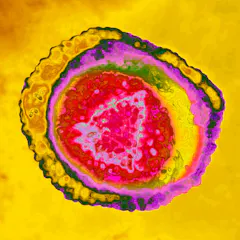
The pain of post-herpetic neuralgia can drive people to the point of suicide. Researchers are getting closer to pinpointing its cause – which may extend to other forms of neuropathy.

Bacteria use strategies similar to artificial neural networks to use the past to adapt to the future.
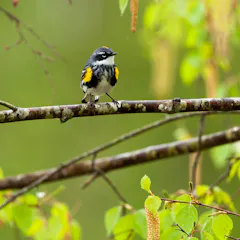
Tiny geolocators measure light levels and atmospheric pressure to reveal the migrations of small songbirds – including the yellow-rumped warbler, also known as a butter-butt – in unprecedented detail.
Top contributors
-

Professor of Mechanical Engineering and Biology, Adjunct Professor of Physics, Georgia Institute of Technology
-
Professor of Paleontology, University of Chicago
-
Curator of Archaeobotany and Archaeogenomics, National Museum of Natural History, Smithsonian Institution
-
Assistant Professor of Ecology & Evolutionary Biology, University of Tennessee; Smithsonian Institution
-
Assistant Professor of Microbiology, University of Tennessee
-
Postdoctoral Researcher in Biology, McGill University; The University of Texas at Austin
-
Associate Professor of Human Dimensions of Natural Resources, University of Montana
-
Associate Professor of Systems and Computational Biology, Microbiology and Immunology, Albert Einstein College of Medicine
-
Professor of Mathematics, University of Wisconsin-Madison
-
Professor and Chair of Health Economics, Rice University
-
Associate Professor of Biology, Penn State
-
Associate Professor of Bioengineering, University of Washington
-
Assistant Professor of Neurosurgery, University of Florida
-
Assistant Professor of Electrical and Computer Engineering, Georgia Institute of Technology
-
Ph.D. Candidate in Bioengineering, University of Washington
