

Engineers are using a pigment from fungi to develop microscopic sponges that could absorb pesticides, nerve gas and more.
Articles on Chemistry
Displaying 1 - 20 of 455 articles
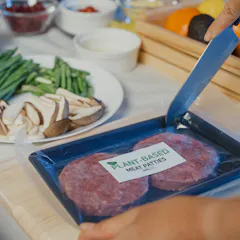
From Tofurky to Impossible Burgers, scientists use a range of manufacturing and processing techniques to turn plant-based proteins into meat alternatives.

Loved a perfume on the test strip, but hated it on your wrist? It’s a common experience.

Different types of light are used to switch the tattoos on and off.

The sugar-plus-amino acids combination involved in fake tanning is the same broad class of chemistry that happens in cooking. You are, in a sense, toast.
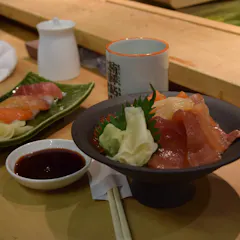
Umami is the fifth flavour to join the rather elite circle of our basic tastes alongside sweet, sour, salty and bitter. But what is this meaty, brothy flavour that even cats are crazy about?
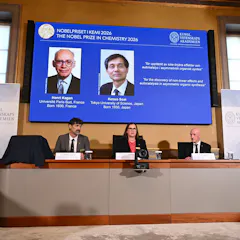
The 2026 Nobel Prize in chemistry gave a hand to handed molecules – and the processes chemists use to create them.
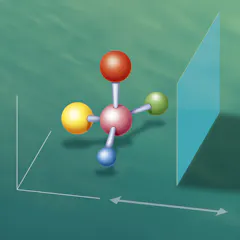
From thalidomide to resveratrol, molecules with the exact same chemical properties can have drastically different effects in the body depending on how they’re arranged in space.
The prize was awarded for work that produces one version of a mirror image molecule.
A 100-year-old equation helps scientists build solar cells, develop biofuels and even study quantum computers.

Forgot your laundry in the washing machine? Sorry, you’re going to have to wash it again.

Was my career choice inspired by Star Trek? Indubitably.

To understand what’s in the smoke you might be breathing, you have to look at where it’s been.
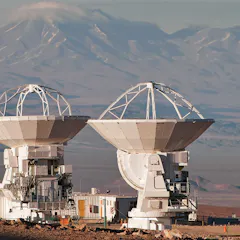
Interstellar maps can help scientists find patterns that tell them about fundamental chemical processes in the cosmos.
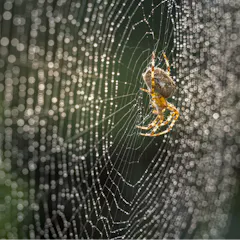
If Spider-Man were real, he could help scientists revolutionize healthcare. Since he’s not, researchers develop creative ways to produce spider silk to study.
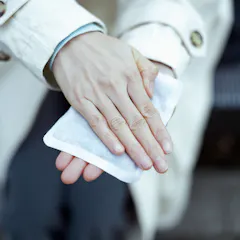
From slowly rusting iron to quick crystals, heat packs and hand warmers use simple but clever chemistry to keep you toasty.
Two garments made from the same fibre may have very different environmental footprints depending on how they were processed and finished.

Listen to the The Conversation’s Curious Kids podcast to hear biochemist Mark Lorch explain how scientists are trying to make new elements for the periodic table.
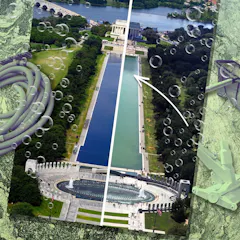
Nanobubbles are invisible, mysteriously stable, a thousand times thinner than a human hair, and surprisingly versatile.
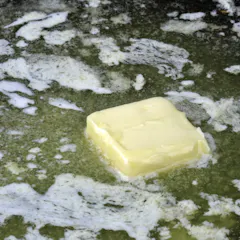
Butter and margarine are both made up of long fatty acid chains, but some slight chemical differences mean differences in how they melt.
Top contributors
-

Professor of Science Communication and Chemistry, University of Hull
-
Senior Lecturer in Chemistry, University of Birmingham
-
Associate Professor in Chemistry and Associate Head Learning and Teaching, University of Tasmania
-
Associate Professor of Chemistry, University of Richmond
-
Assistant Professor of Chemistry, Trinity University
-
Senior Lecturer in Chemistry, Swinburne University of Technology
-
Honorary Associate Professor, University of Leicester
-
Senior Lecturer in Chemistry, Edith Cowan University
-
Postdoctoral research associate, University of Oxford
-
Professor of Chemistry, UNSW
-
Associate Professor of Chemistry, University of Richmond
-
CBRN defence scientist, Charles Darwin University
-
Materials Chemist and Science Communicator, University of Sheffield
-
Professor (Food Science & Human Nutrition), Singapore Institute of Technology
-
Associate professor, Monash University