

Among the dozens of endangered species, is a spiky snail named after The Clash lead singer, Joe Strummer.
Articles on IUCN Red List of Threatened Species
Displaying 21 - 40 of 43 articles
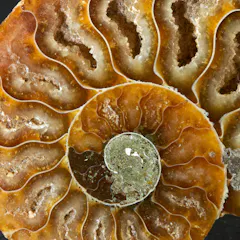
While current extinction rates remain lower than during previous mass extinction events, the number of species under threat of dying out is growing, reflecting the true scale of loss.
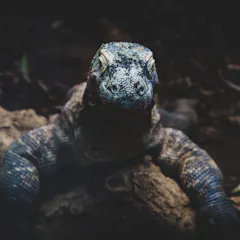
Determining the status of a species must be based on solid scientific evidence with strict criteria.

Which species are becoming endangered and which are recovering, according to the IUCN World Conservation Congress?
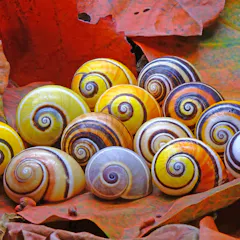
To get a grip on the biodiversity crisis, we’ll need to understand how wildlife is threatened in our own backyard.
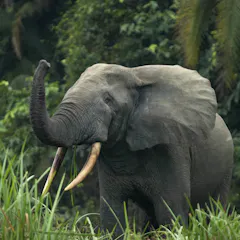
A new review of the status of African elephants finds scientific grounds for dividing them into two species, and reports that both have suffered drastic population declines since 1990.
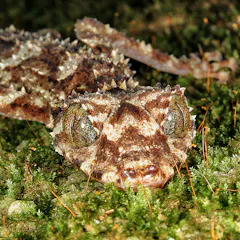
With targeted conservation action, we might just save many of these species before it’s too late.
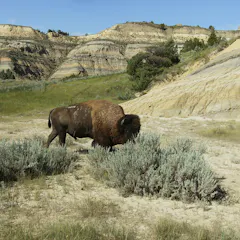
Scientists have tracked endangered species for years. Now they’re figuring out how to highlight animals and plants that have recovered – but what does that mean?
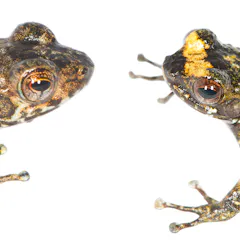
The Red List ranks species based on how threatened they are. But it can be inaccurate.
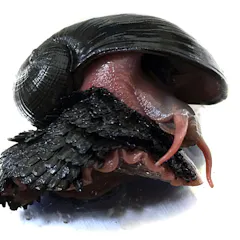
When Julia Sigwart went looking for the scaly-foot snail – or Sea Pangolin – in the deep ocean, they were hard to find. Now they are seen as endangered from the prospect of deep sea mining.
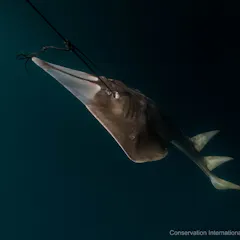
An update of the IUCN Red List attempts to map the real extent of global biodiversity loss.

Wild bees pollinate trees and shrubs that feed and shelter wildlife, provide flood control, prevent soil erosion and help regulate the climate.

When small regional communities see economic value in animals like snakes and crocodiles, people are motivated to invest in their protection.
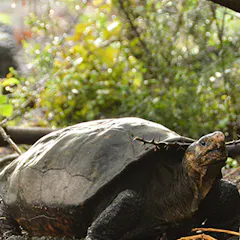
From the reappearance of giant bees to sightings of clouded leopards – can we ever be certain that a species has died out?
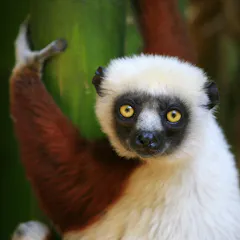
The endangered species list is over 90 000 and includes Madagascar’s lemurs.
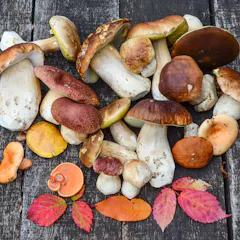
The global mushroom industry is worth $35 billion yearly and growing. But mushrooms and other fungi play important ecological roles that scientists are still learning about – and some may be endangered.

A team of researchers led by Edith Cowan University have surveyed the PNG island of New Britain to see how the bird population is faring. There’s good news and bad news.
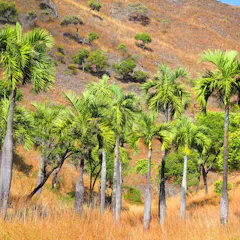
International and local demand have brought Madagascar’s palm species to the brink of extinction.
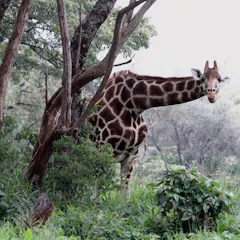
Giraffe populations have declined by more than a third over the past 30 years. Two wildlife law experts explain the protections that would come with including them on a US list of endangered species.
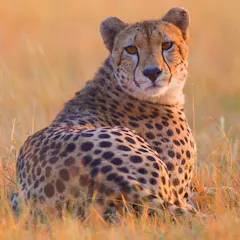
A new study reveals that just 7,100 cheetahs remain globally, representing the best available estimate for the species to date.
Top contributors
-

Senior Lecturer in Ecology and Conservation, Nottingham Trent University
-
Research Fellow, College of Forestry, Wildlife and Environment, Auburn University
-
Science Program Manager, Goyder Institute for Water Research Coorong, Lower Lakes and Murray Mouth Research Centre, and researcher, Adelaide University
-
Professor of Anthropology, James Madison University
-
Professor of International Law, University of Denver
-
Professor of Ecology, The Rivers State University of Science and Technology
-
Professor of Anthropology, University of Oregon
-
Research fellow, Newcastle University
-
Associate Professor, Faculty of Environmental and Urban Change, York University, Canada
-
Associate professor emeritus, Western University
-
Professor and ARC Future Fellow, Hawkesbury Institute for the Environment, Western Sydney University
-
Associate Professor in Wildlife Conservation, Edith Cowan University
-
Assistant Professor, Sociology & Anthropology, Mount Saint Vincent University
-
Lecturer, Université d’Antananarivo
-
Professor of Entomology, University of Hawaii