
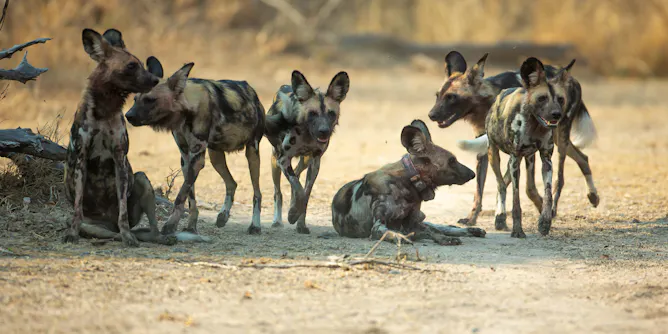
New GPS tracking on African wild dogs found they could travel long distances to find mates, but more than half did not survive the journey.
Articles on IUCN Red List of Threatened Species
Displaying 1 - 20 of 43 articles
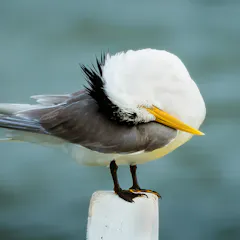
Australia’s response to this deadly bird flu outbreak has been insufficient and too reactive.
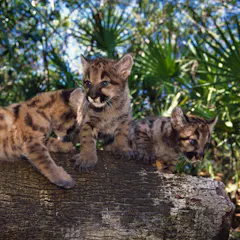
Four experts explain what genetic health is and why it matters for our most vulnerable wildlife.
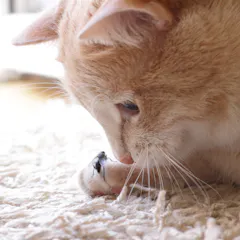
A look at cats’ diets as reported by researchers over many years shows they eat a lot more than people might think.
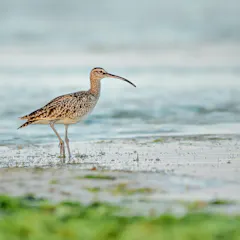
Why the loss of this species shines light on the global extinction crisis.
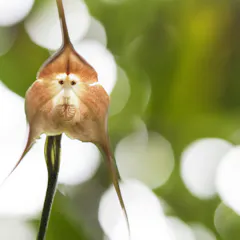
How the threatened monkey-face orchids could become icons for plant conservation.
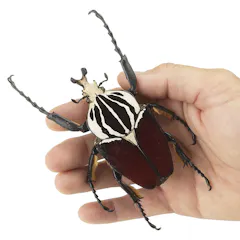
Two Goliath beetle species are in grave danger because cocoa farming has wiped out their forests and they’re being sold on the international dry insect market.

Scientists have assessed more than 23,000 species.
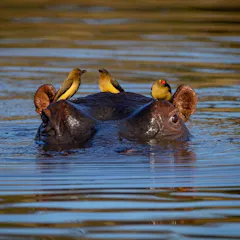
Hippos are hard to study and dangerous to encounter.
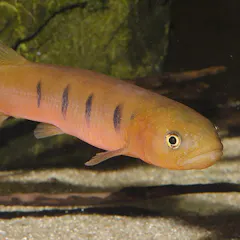
New research reveals a third of Australia’s freshwater fishes are at risk of extinction. That means 35 species should be added to the national list of 63 threatened species, bringing the total to 98.

New research examines how citizen science data contributes to decisions by governments and conservation organisations about which species are at risk of extinction, and how they can be conserved.
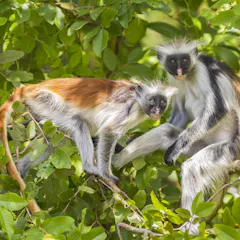
The 17 types of red colobus monkey living in Africa’s forests are among the first large mammals to be killed off by hunters. Protecting the red colobus could therefore protect the entire forest.

There are 401 indigenous terrestrial reptiles in South Africa.
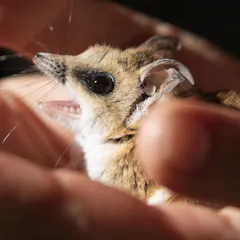
Ever wondered what it takes to get on the threatened species list? This explainer demystifies the rigorous process, using the cute little predator that stores energy in its tail as an example.
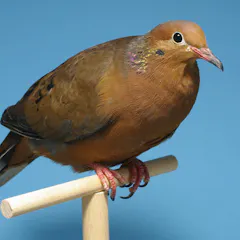
Surviving solely in zoos and botanic gardens are 33 animal and 39 plant species.
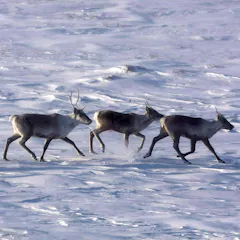
To guard against extinction, we must advocate for common species.
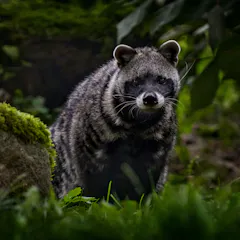
Ethiopia’s civet producers could benefit greatly if the industry were properly regulated and commercialised.
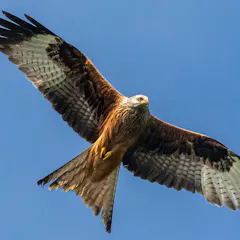
New research traces the effect of drought on red kite chicks born during particularly dry years.
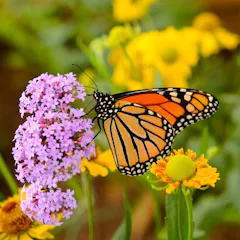
The struggles of monarch butterflies reflect a shared North American ecological and social problem.
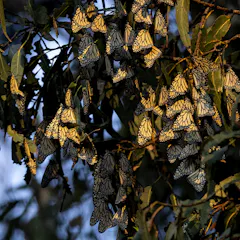
The iconic monarch butterfly has been added to the Red List of endangered species, but hasn’t received protection in the US yet. That’s not necessarily a bad thing.
Top contributors
-

Senior Lecturer in Ecology and Conservation, Nottingham Trent University
-
Research Fellow, College of Forestry, Wildlife and Environment, Auburn University
-
Science Program Manager, Goyder Institute for Water Research Coorong, Lower Lakes and Murray Mouth Research Centre, and researcher, Adelaide University
-
Professor of Anthropology, James Madison University
-
Professor of International Law, University of Denver
-
Professor of Ecology, The Rivers State University of Science and Technology
-
Professor of Anthropology, University of Oregon
-
Research fellow, Newcastle University
-
Associate Professor, Faculty of Environmental and Urban Change, York University, Canada
-
Associate professor emeritus, Western University
-
Professor and ARC Future Fellow, Hawkesbury Institute for the Environment, Western Sydney University
-
Associate Professor in Wildlife Conservation, Edith Cowan University
-
Assistant Professor, Sociology & Anthropology, Mount Saint Vincent University
-
Lecturer, Université d’Antananarivo
-
Professor of Entomology, University of Hawaii