
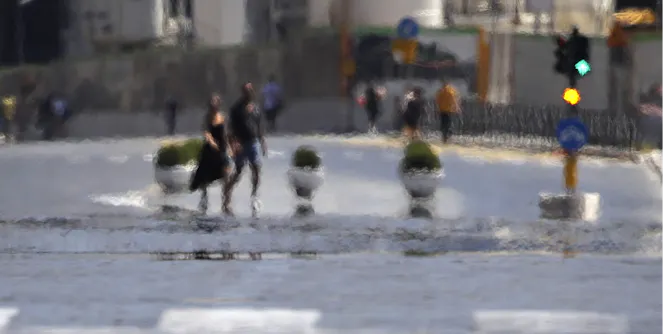
Not every extreme weather event is caused by climate change, but heat waves that were once ridiculously improbable are showing up more often. Just ask Portland.
Articles on Extreme heat
Displaying 161 - 180 of 180 articles

Extreme heat warnings can help change our dangerous relationship with hot weather.

Climate change has profound, but often overlooked, consequences for human health.
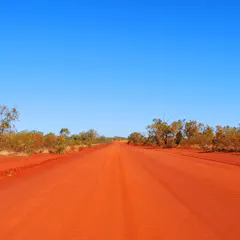
It’s hard enough to attract and keep health workers in the Northern Territory as it is. Now climate change is threatening to make things worse.
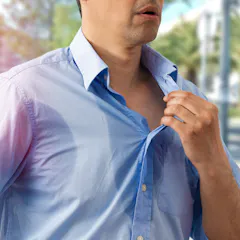
As our cities get hotter, rebuilding whole suburbs better suited to the heat is not an option. Instead, we can draw from the best examples of how to adapt neighbourhoods and behaviours.

Climate models are likely underestimating the true severity of future warming in urban areas.

Extreme heat could kill 5,000 people each year in the UK by the 2050s.
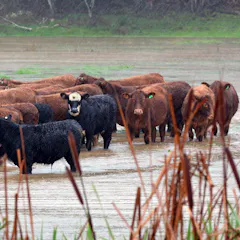
As the planet continues to warm, extreme weather events such as heatwaves and heavy rainfall are becoming more frequent, intense and longer, according to global weather data.
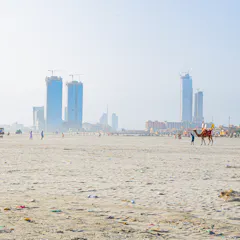
‘Wet-bulb’ temperature records show that deadly thresholds for heat and humidity are arriving faster than anticipated.

At the peak of a summer heatwave in Adelaide, an aerial survey of land surface temperatures reveals just how much cooler neighbourhoods with good tree and vegetation cover can be.

Average temperatures in Australia are already high by international standards, but what happens when they continue to rise? How much heat can our bodies withstand?
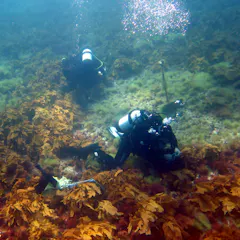
Marine heatwaves, like their land counterparts, are growing hotter and longer. Sea species in southeastern Australia, southeast Asia, northwestern Africa, Europe and eastern Canada are most at risk.
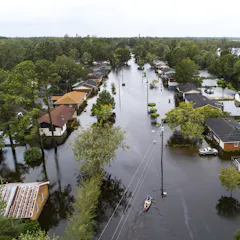
As climate extremes mount, let’s reflect on Victorian London’s ‘Great Stink’ sewage crisis - when things finally became so bad authorities were forced to accept evidence, reject sceptics, and act.
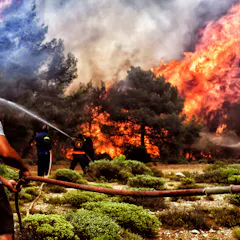
From Greece, to the UK, to Japan and even Sweden, a slew of places in the Northern Hemisphere are suffering extreme heat. And the chances of extreme heat records tumbling are growing all the time.

An annual assessment of the health of Australia’s environment shows mostly stable conditions in 2017, but ecosystems on land and at sea suffered ever higher temperatures.
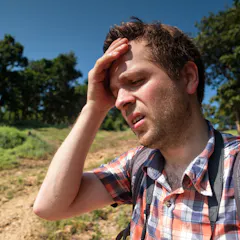
Heatstroke is a medical emergency and often kills. But there are many processes in the body that occur between being exposed to heat and ending up in the ED – and warning signs to look out for too.

It seems obvious that a game should be suspended if it’s too hot to play, but it’s not as easy as implementing a maximum temperature.
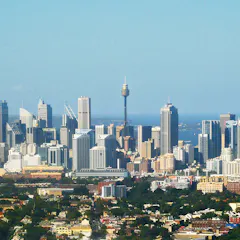
Future extreme heat is worse and coming sooner than you might think. Unless we mitigate and adapt we face increasing death rates.
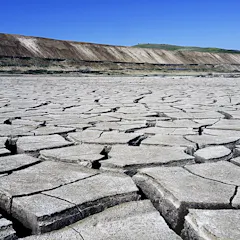
More and more research shows that we are likely to pass the 2 degree Celsius temperature limit much of the world has agreed on. Where did that limit come from, and what if we miss it?
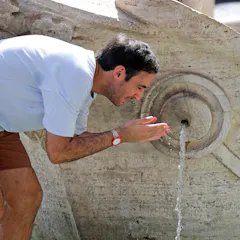
Parts of Europe are having a devastatingly hot summer. Already we’ve seen heat records topple in western Europe in June, and now a heatwave nicknamed “Lucifer” is bringing stifling conditions to areas…
Top contributors
-

ARC Future Fellow and Associate Professor in Climate Science, ARC Centre of Excellence for 21st Century Weather, The University of Melbourne
-
Associate Professor and Principal Fellow in Urban Risk and Resilience, The University of Melbourne
-
Research Fellow, The ARC Centre of Excellence for the Weather of the 21st Century, Australian National University
-
Postdoctoral Researcher, Climate Science, University of Oxford
-
Director - Research Institute for Sport and Exercise, University of Canberra
-
Professor of Economics, University of Arizona
-
NHMRC Research Fellow, School of Population Health and Co-founder UNSW Beach Safety Research Group, UNSW
-
Professor of Heat & Health; Director of Heat & Health Research Incubator; Director of Thermal Ergonomics Laboratory, University of Sydney
-
Honorary Associate Professor in Environmental Health, Australian National University
-
Professor of Atmospheric Science, Colorado State University
-
Professor of Geology and Environmental Geosciences, University of Dayton
-
Professor of Global Health and Environmental and Occupational Health Sciences, University of Washington
-
Associate, Institute for Climate Change & Adaptation, University of Nairobi
-
Professor, University of the Witwatersrand
-
Professor of Ecology and Associate Director, Hawkesbury Institute for the Environment, Western Sydney University