
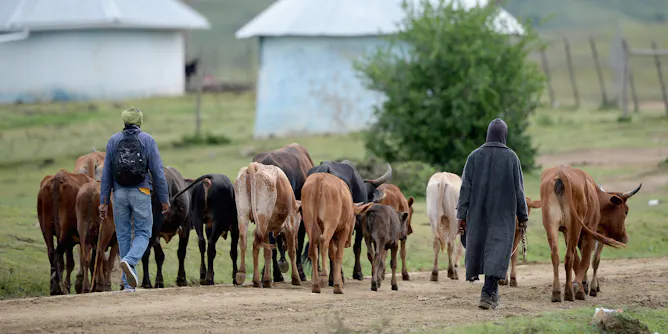
Smallholder farmers have time to set up shared shady areas with water and feed for livestock that might die in the Super El Niño – if they get support now.
Articles on Heat
Displaying 1 - 20 of 254 articles

Timing matters: planting fodder radish in the right months can help South African farmers grow more nutritious livestock feed even without irrigation.
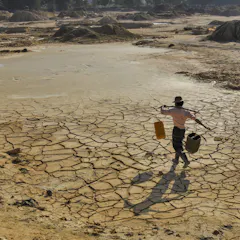
Myanmar shows how conflict, poverty and power shortages deepen health inequalities, leaving displaced and vulnerable communities at greater risk from extreme heat.
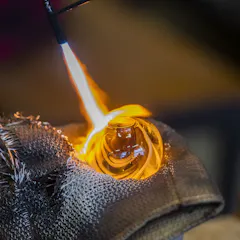
From colorful orbs to delicate spirals, heating and manipulating glass allows artists to create beautiful translucent sculptures.

When it’s humid, it’s hard to shed heat by sweating. That’s why humidity can make heatwaves much more dangerous.
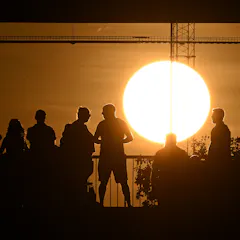
One Australian city has formed a taskforce to better protect its residents from sweltering temperatures.
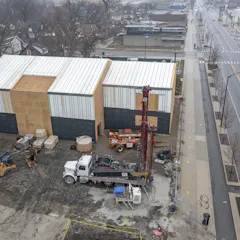
Rocks deep underground can be used to hold heat until it’s needed.

New research shows how Windhoek’s ‘Brown is Beautiful’ approach could use its dry landscape to protect the city from heat, drought and floods.

Some European cities have poor tree shade cover and this is ramping up heat for their citizens.
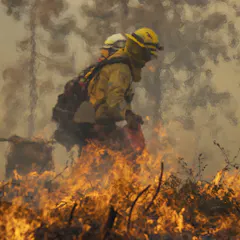
Wildland firefighters face heat from the environment, the fire and their own bodies as they work long, exhausting hours. The head of Purdue’s fire lab explains the health risks and what can help.
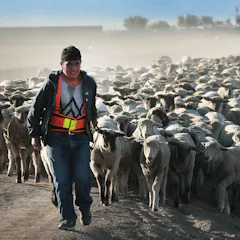
Whether in Kenya or California, herders face dangerous temperatures and difficult conditions that put a strain on their health.

Energy transfer is the secret ingredient that makes iced tea a particularly refreshing drink on a hot day.

95% of autistic children suffer from sensory dysfunction. This can affect their ability to respond to temperature changes.

The damage is sometimes only centimeters deep. Three engineers explain the colors of burned masonry and other signs preservationists look for amid another destructive fire year.
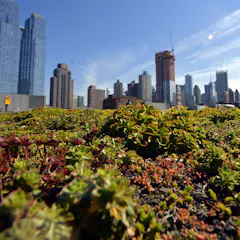
The success of green roofs depends on more than just good intentions and engineering – they need long-term love and care.
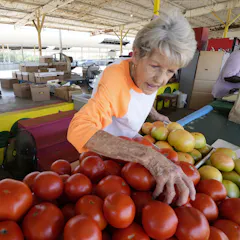
Chronic pain can make it hard to walk, carry groceries or sleep through the night. A new study finds that extreme temperatures are linked to that kind of pain.

Heat stroke doesn’t just overheat the body. It unleashes an inflammatory chain reaction that can damage organs even after the temperature returns to normal.

Although children sweat less than adults, they are able to regulate body heat in other ways.

Heat waves pose a threat to older adults, but a recent study suggests that they retain an unexpected ability to adapt to high temperatures.

Heatwaves are becoming more frequent, longer and more intense. As they do, it’s likely more people will experience pain.
Top contributors
-

Honorary Associate Professor in Environmental Health, Australian National University
-
ARC Future Fellow and Associate Professor in Climate Science, ARC Centre of Excellence for 21st Century Weather, The University of Melbourne
-
Professor of Heat & Health; Director of Heat & Health Research Incubator; Director of Thermal Ergonomics Laboratory, University of Sydney
-
Professor of Intelligent Engineering Systems, Nottingham Trent University
-
Professor of Physiology, Kinesiology and Human Performance, Penn State
-
Ph.D. Candidate in Exercise Physiology, Penn State
-
Senior Lecturer, Department of Architecture, Federal University of Technology, Akure
-
Duncan Mitchell is a Friend of The Conversation.
Honorary Professorial Research Fellow, University of the Witwatersrand
-
Postdoctoral Researcher in Kinesiology, Penn State
-
Geographer-climatologist and Postdoctoral Fellow, Penn State
-
Presidential Distinguished Professor of Energy Policy and City Planning, University of Pennsylvania
-
Purple House Medical Advisor. Honorary ANU., Australian National University
-
Senior Lecturer in Exercise and Environmental Physiology, University of Hull
-
Professor, Emerging Technologies Research Lab, Monash University, Monash University
-
Professor Emeritus, University of Washington