
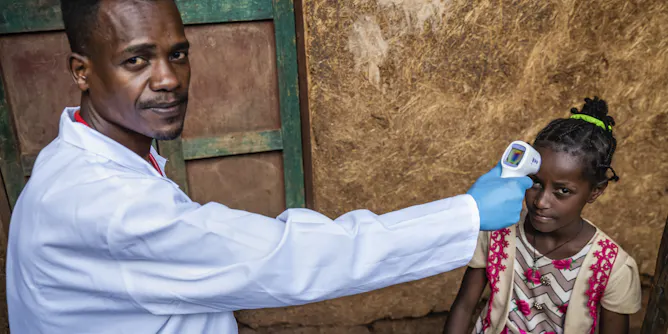
Super El Niño could make extreme heat deadlier in parts of Africa. Governments can save lives by preparing hospitals and protecting outdoor workers now.
Articles on Extreme heat
Displaying 1 - 20 of 180 articles
Cattle can only cope with so much heat – and more is coming. Graziers will have to install shade – and muster at dawn.

How the ‘super’ El Niño could trigger a polycrisis: interconnected failures that neither the energy system nor the health-care system can prepare for alone.
When it’s humid, it’s hard to shed heat by sweating. That’s why humidity can make heatwaves much more dangerous.
Wildlife carers have been deluged with distressed flying-foxes. It’s yet another crisis for these vital animals. Is it time to do better?

Autumn wreaths are now decorating many front doors, as part of a new trend.
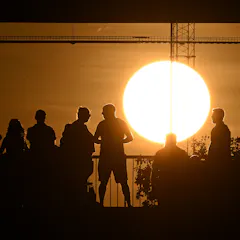
One Australian city has formed a taskforce to better protect its residents from sweltering temperatures.

Extreme hot and cold temperatures are associated with higher rates of deaths, infirmary admissions and transfers to external medical facilities, researchers found.
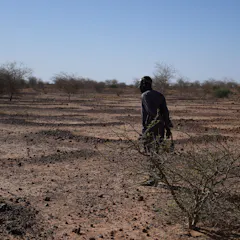
The super El Niño could cause 31,400 extra heat deaths in Nigeria alone. Heat warnings, cooling centres and worker protections could help save lives.
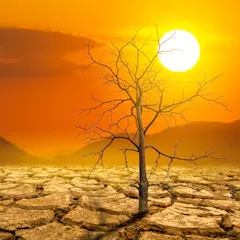
The world is likely to pass 1.5°C of warming. Africa faces worse heat, drought and floods, but faster cuts to emissions can still limit the overshoot damage.
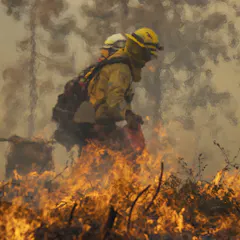
Wildland firefighters face heat from the environment, the fire and their own bodies as they work long, exhausting hours. The head of Purdue’s fire lab explains the health risks and what can help.
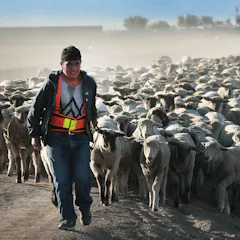
Whether in Kenya or California, herders face dangerous temperatures and difficult conditions that put a strain on their health.
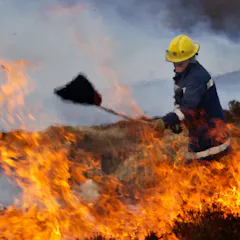
The British landscape has been stripped of many of its bogs and wetlands in the last three centuries.

More northern Europeans are thinking about adding air conditioning. But there’s a lot to consider before making a decision.
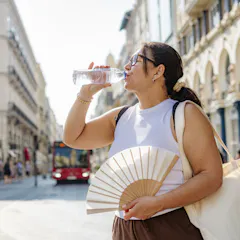
Australians love a holiday, but are increasingly making travel plans around unpredictable weather.
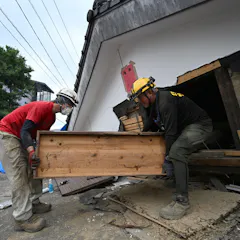
Very high temperatures during and after a disaster needs to be factored into emergency planning.

Although children sweat less than adults, they are able to regulate body heat in other ways.
At local level, many grassroots initiatives are cropping up to tackle unforeseen climate-related events, but improvising and instinctive ways of working are often overlooked in public policy.

There is often a disconnect between coverage of acute emergencies and the long-term link with the climate crisis.

A rising number of school districts across the country are beginning their new academic years in July or August, raising the likelihood that kids and educators will encounter scorching days.
Top contributors
-

ARC Future Fellow and Associate Professor in Climate Science, ARC Centre of Excellence for 21st Century Weather, The University of Melbourne
-
Associate Professor and Principal Fellow in Urban Risk and Resilience, The University of Melbourne
-
Research Fellow, The ARC Centre of Excellence for the Weather of the 21st Century, Australian National University
-
Postdoctoral Researcher, Climate Science, University of Oxford
-
Director - Research Institute for Sport and Exercise, University of Canberra
-
Professor of Economics, University of Arizona
-
NHMRC Research Fellow, School of Population Health and Co-founder UNSW Beach Safety Research Group, UNSW
-
Professor of Heat & Health; Director of Heat & Health Research Incubator; Director of Thermal Ergonomics Laboratory, University of Sydney
-
Honorary Associate Professor in Environmental Health, Australian National University
-
Professor of Atmospheric Science, Colorado State University
-
Professor of Geology and Environmental Geosciences, University of Dayton
-
Professor of Global Health and Environmental and Occupational Health Sciences, University of Washington
-
Associate, Institute for Climate Change & Adaptation, University of Nairobi
-
Professor, University of the Witwatersrand
-
Professor of Ecology and Associate Director, Hawkesbury Institute for the Environment, Western Sydney University