
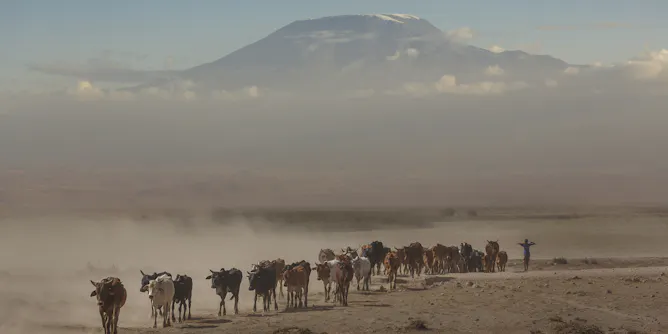
African livestock keepers need help: without proactive interventions, increasing temperatures will reduce meat and milk production.
Articles on Drought
Displaying 341 - 360 of 767 articles
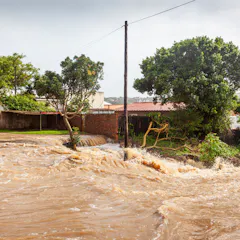
The picture seems hopeless, but with mitigation and adaptation strategies and policies driven through COP26, southern Africa can reduce the impacts of climate change on local livelihoods.

Studies show climate change is raising the risk of cascading hazards that alone might not be extreme but add up to human disasters. Communities and government agencies aren’t prepared.
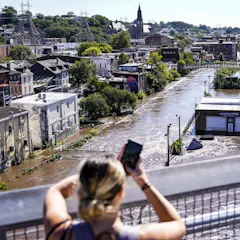
More than half of the world’s population lives in cities, and that share is growing. Rapid climate change could make many cities unlivable in the coming decades without major investments to adapt.
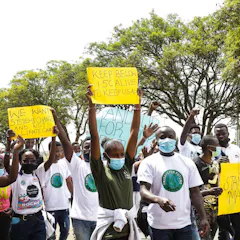
African countries cannot be ignored, or just listened to. Their needs should shape the agenda.
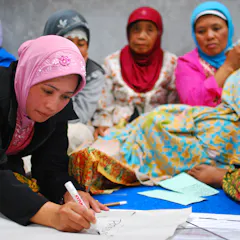
Researchers asked aid workers how to best prepare for the climate emergency in places where its effects are most severe.

Ancient cultures that flourished in arid climates developed low-tech solutions to manage water scarcity.

As surface water diminishes in the Western US, people are drilling deeper wells – and tapping into older groundwater that can take thousands of years to replenish naturally.
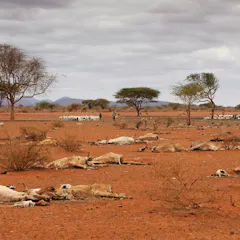
The next year appears likely to bring another sequence of La Niña-related droughts to eastern East Africa. The time to act is now or many will suffer.
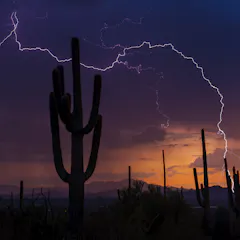
Monsoons are weather patterns that bring thunderstorms and heavy rains to hot, dry areas when warm, moist ocean air moves inland. They’re challenging to forecast, especially in a changing climate.
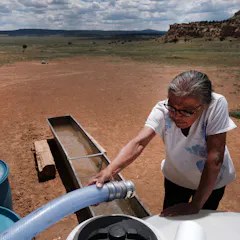
Cities and farmers in the Southwest are resorting to unsustainable strategies to pull in more water. Iran has tried many of these strategies and shows how they can go wrong.
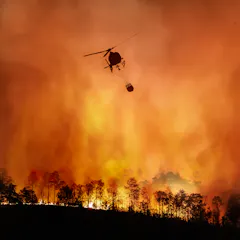
How scientists are improving their understanding of the connection between extremes and climate change – and what’s to come. Listen to The Conversation Weekly.

Many plants are really good at withstanding bushfires, but the combination of drought, heatwaves and pest insects under climate change may push them to the brink.
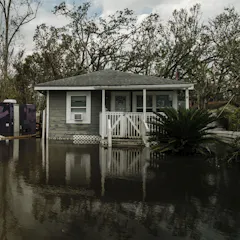
Rapid attribution studies reveal climate change’s influence on the weather, but they’re expensive and time-consuming.

Dried foods are a staple in many Aussie diets, but the industry is under threat as recurring drought makes fruit and vegetables harder to process.
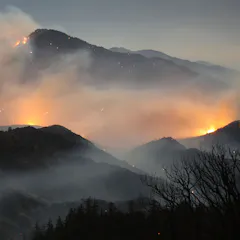
As the risk of fires rises in areas once considered too wet to burn, it creates hazards for mountain communities and for downstream water supplies.

Southern Québec is warming twice as rapidly as the rest of the world due to the progressive loss of snow cover. An average annual warming of 3 C to 6 C is expected by the end of the century.
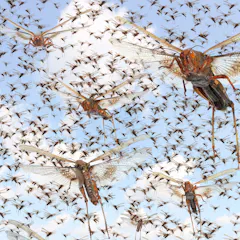
Every increase in one degree of global warming will increase losses of crops to insects from 10% to 25%.
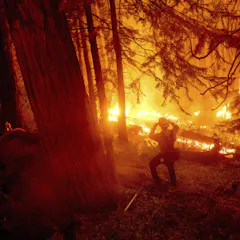
Not all forests respond to hotter and drier conditions in the same way.
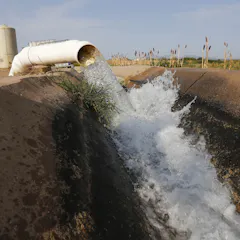
A long-expected federal drought declaration underlines how serious the Colorado River water shortage has become for Western states.
Top contributors
-

ARC Future Fellow and Associate Professor in Climate Science, ARC Centre of Excellence for 21st Century Weather, The University of Melbourne
-
Professor, Water and Landscape Dynamics, Fenner School of Environment & Society, Australian National University
-
Adjunct Professor (Practice) in Climate Science, School of Earth, Atmosphere and Environment, Monash University
-
Professorial Fellow, University of Canberra
-
Regents Professor Emeritus and Morris K. Udall Professor of Law & Public Policy Emeritus, University of Arizona
-
Climate Scientist, Australian Bureau of Meteorology
-
Climate scientist, Australian Bureau of Meteorology
-
Associate Professor in Environmental Science, Western Sydney University
-
Climate Scientist, Australian Bureau of Meteorology
-
Lecturer, School of Agriculture, Food and Ecosystem Sciences, The University of Melbourne
-
Associate Professor of Civil Engineering, Boise State University; United Nations University
-
Professor of Physical Geography, University of the Witwatersrand
-
Regius Professor of Meteorology and Climate Science, University of Reading
-
Visiting Adjunct Professor, School of Governance, University of the Witwatersrand
-
Senior Climatologist, Australian Bureau of Meteorology