
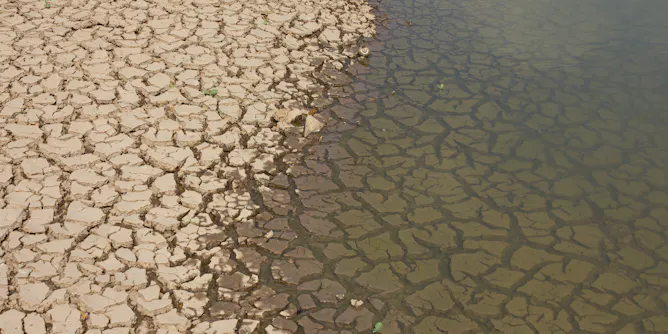
Dry regions will get drier and wet regions wetter as the climate changes. How quickly? Quicker than we thought, unfortunately.
Articles on Drought
Displaying 321 - 340 of 767 articles
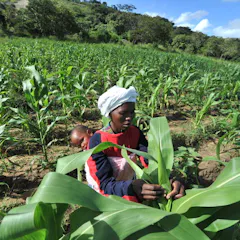
Insurance, stress-tolerant seeds and tailored credit can make smallholder farming profitable.
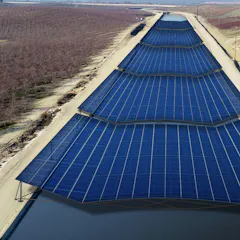
Covering the state’s canals with solar panels would reduce evaporation of precious water and help meet renewable energy goals – all while saving money.
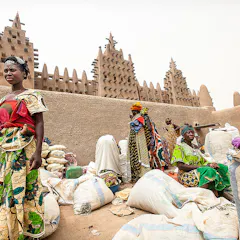
Food security has six dimensions: availability, access, stability, utilisation, agency and sustainability.
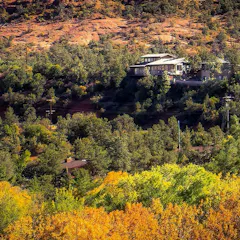
A new study maps vegetation’s fire risk across the West and shows where population in the highest-risk areas from California to Texas is booming.
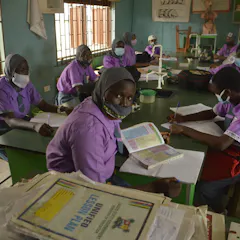
Learning about sustainable development and consumption should not be limited to particular disciplines like those in the sciences and technologies.
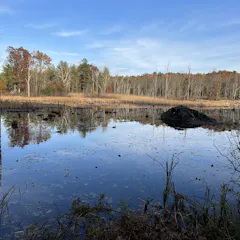
Beavers in our landscapes have great potential to provide small-scale adaptations to climate change – if humans can figure out how to live with them.

International refugee law must be overhauled to consider climate change and include “deadly environments” as a form of persecution.
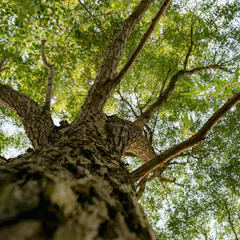
important decisions must be made today for urban greening programs to succeed in a warmer world.
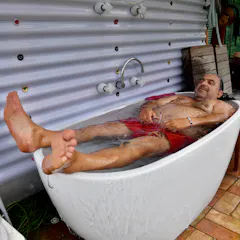
A draft plan for Sydney’s water supplies includes expanding desalination and potentially adding highly treated sewage to drinking water. All options must be on the table as the climate warms.
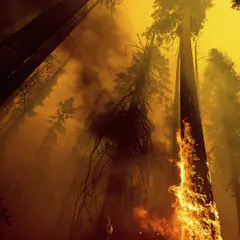
US disasters in 2021 told a tale of two climate extremes. A climate scientist explains why wet areas are getting wetter and dry areas drier.
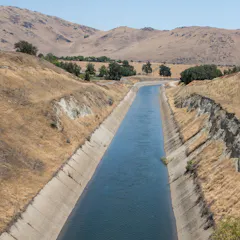
Long before climate change was evident, California began planning a system of canals and reservoirs to carry water from the mountains to drier farms and cities. It’s no longer enough.
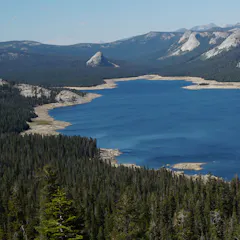
The State Water Project cut its initial allocations for water agencies to 0% for 2022. A California water expert explains why.
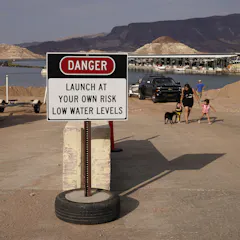
A Western scholar proposes allocating water from the Colorado River based on percentages of its actual flow instead of fixed amounts that exceed what’s there – and including tribes this time.
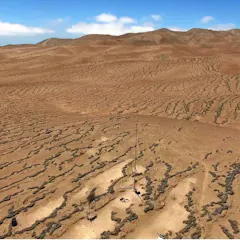
This hardy desert plant lives in the hostile Atacama Desert in Chile by sucking moisture out of passing fog. As water resources become ever more scarce, humans could follow suit.
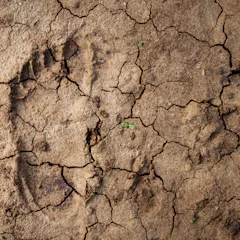
Many of the temperatures presently being recorded in Africa, and those projected in the next decade, are already close to the limits of human survival, or “liveability”.
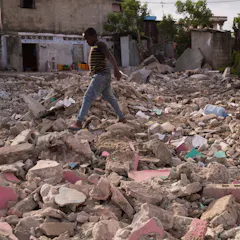
Collaboration can have immediate benefits in the most dire circumstances.
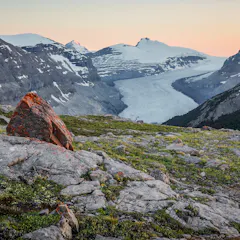
Policy-makers need the courage to commit to meaningful reductions of greenhouse gas emissions if we want to avoid the widespread loss of mountain glaciers.
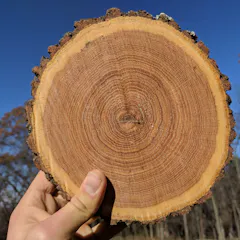
Tree rings carry a wealth of information, which can be used to uncover climate data from hundreds of years ago.
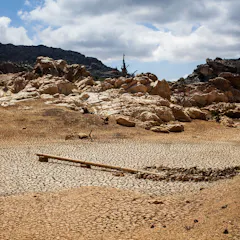
A consequence of a warming world is prolonged dry spells and periods of drought that can lead to infectious diseases like cholera.
Top contributors
-

ARC Future Fellow and Associate Professor in Climate Science, ARC Centre of Excellence for 21st Century Weather, The University of Melbourne
-
Professor, Water and Landscape Dynamics, Fenner School of Environment & Society, Australian National University
-
Adjunct Professor (Practice) in Climate Science, School of Earth, Atmosphere and Environment, Monash University
-
Professorial Fellow, University of Canberra
-
Regents Professor Emeritus and Morris K. Udall Professor of Law & Public Policy Emeritus, University of Arizona
-
Climate Scientist, Australian Bureau of Meteorology
-
Climate scientist, Australian Bureau of Meteorology
-
Associate Professor in Environmental Science, Western Sydney University
-
Climate Scientist, Australian Bureau of Meteorology
-
Lecturer, School of Agriculture, Food and Ecosystem Sciences, The University of Melbourne
-
Associate Professor of Civil Engineering, Boise State University; United Nations University
-
Professor of Physical Geography, University of the Witwatersrand
-
Regius Professor of Meteorology and Climate Science, University of Reading
-
Visiting Adjunct Professor, School of Governance, University of the Witwatersrand
-
Senior Climatologist, Australian Bureau of Meteorology