

Timing matters: planting fodder radish in the right months can help South African farmers grow more nutritious livestock feed even without irrigation.
Articles on Rainfall
Displaying 1 - 20 of 184 articles
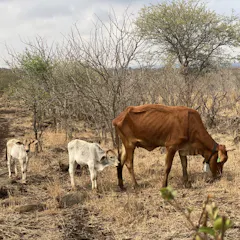
Drought is likely to reduce the total number of livestock southern Africa can support, and increase inequality among pastoralists.
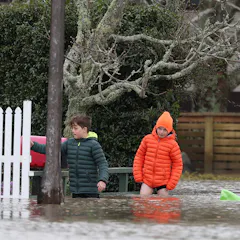
By running hundreds of climate simulations much faster than conventional models, AI can deliver better regional projections of what communities need to prepare for.
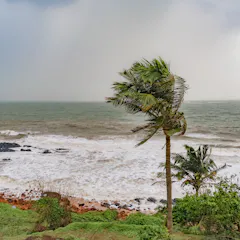
The El Niño climate pattern has long influenced weather across the globe.
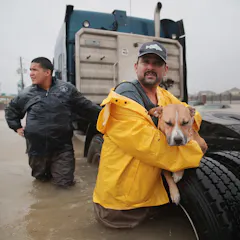
Storms big and small can produce a lot of rain. What matters most is how fast they’re moving, as an atmospheric scientist and educator explains.
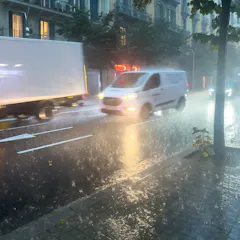
Overloaded wastewater treatment plants often discharge untreated sewage into waterways.
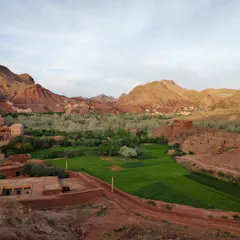
The predictable Atlantic signal can improve researchers’ ability to anticipate changes in leishmaniasis transmission.
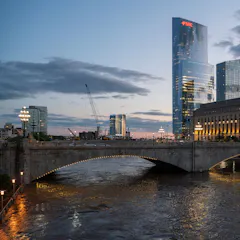
Many levees built in the mid-1900s do not offer enough protection for today’s storms, and small rural communities in particular struggle to afford needed upgrades.

This term describes dramatic swings between different kinds of extreme weather.

Three climate-related factors have loaded the dice for a drier and warmer winter this year.
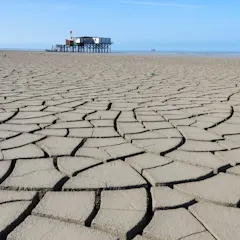
The Caspian Sea is becoming warmer and shallower, with damaging economic and environmental effects.
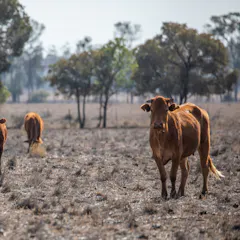
Past El Niño events have coincided with some of the driest, hottest weather on record.
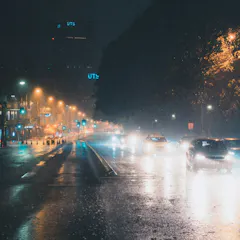
A new study shows it does rain more in cities, but the trend over time has been exaggerated by changes in satellites.

Years of industrial expansion have boosted water demand, with no new sources coming online since 2016. Desalination and reclaiming sewage wastewater are among the current options.
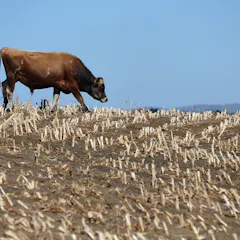
Analysis reveals some of NZ’s worst droughts occurred before 1950 – meaning recent experience may not reflect the full scale of future risk in a warming climate.
It’s been a very warm and dry autumn for much of southern Australia – and winter looks set to be similar.

New models show NZ’s heaviest rainfall is likely to grow more intense and frequent, with some regions facing twice as many extreme events by 2100.
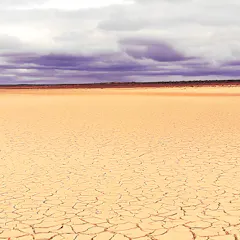
South Africa’s driest regions rely on groundwater, which dries up as the climate warms. Replenishing aquifers with excess rainfall may be a solution.
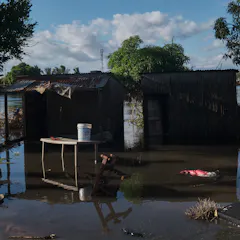
Flooding alters the environment in ways that favour malaria transmission.

A run of damaging storms that has spoiled midsummer and caused floods and landslides isn’t bad luck, but a combination of local, regional and global drivers.
Top contributors
-

ARC Future Fellow and Associate Professor in Climate Science, ARC Centre of Excellence for 21st Century Weather, The University of Melbourne
-
Professor, Water and Landscape Dynamics, Fenner School of Environment & Society, Australian National University
-
Professor of Physical Geography, University of the Witwatersrand
-
Postdoctoral Research Fellow in Atmospheric Sciences, The University of Melbourne
-
Climate scientist, Australian Bureau of Meteorology
-
Researcher, Agricultural Research Council
-
Associate Professor, ARC Centre of Excellence for Weather of the 21st Century, Monash University
-
Climate Scientist, Australian Bureau of Meteorology
-
Professor of Atmospheric Science and Colorado State Climatologist, Colorado State University
-
Adjunct Professor (Practice) in Climate Science, School of Earth, Atmosphere and Environment, Monash University
-
Climate Scientist, Australian Bureau of Meteorology
-
Professor of Climate Science, UMass Lowell
-
Senior Research Fellow, ARC Centre of Excellence for Weather of the 21st Century, Australian National University
-
Professor in Cloud Microphysics, Monash University
-
Research academic, Fenner School of Environment & Society, Australian National University