
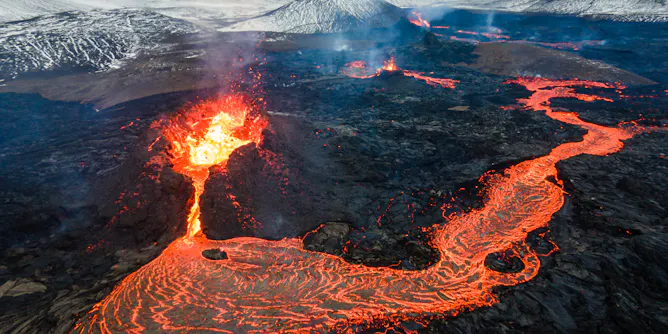
Earth has liquid rock inside. Here’s what happens to that rock to make lava happen.
Articles on Curious Kids
Displaying 281 - 300 of 833 articles
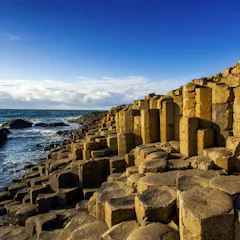
Nature begins forming patterns at the molecular level – and sometimes they grow to enormous sizes.

Strangely behaving matter could one day explain some of the mysteries of space.
Ant feet are equipped with an array of tools – from retractable sticky pads to claws to special spines and hairs – enabling them to defy gravity and grip virtually any surface.
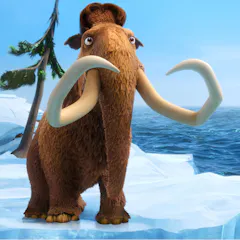
All the evidence points to one thing: humans and woolly mammoths certainly lived side by side. But did humans hunt mammoths too?

Seashells don’t make the noise of the ocean. Here’s what’s really going on.

People wouldn’t last long without the countless other species we depend on for survival.
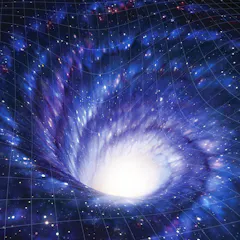
An astrophysicist explains what wormholes are and how these theoretical space-time tunnels have popped up in the solutions to a set of decadesold equations.

An anthropologist explains some of the many ways animals use their tails, from balancing as they walk to attracting a mate.

A language scientist explains that talking was never invented but has evolved over hundreds of thousands of years.

Did you know enamel is the hardest substance in the body? And if you feel pain, it could mean there’s a problem deep inside your tooth.
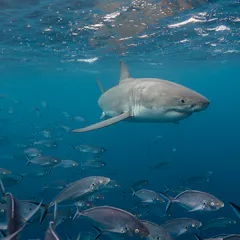
A species that is an “apex” predator in one environment won’t necessarily remain so in another.

Albert Einstein might have the answer.

Noise pollution is a serious problem, and cars make a lot of it. But roads are also a factor.
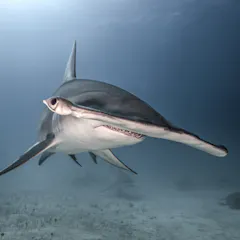
The first hammerhead shark was likely the result of a genetic deformity. A biologist explains how shark DNA reveals hammerheads’ history.
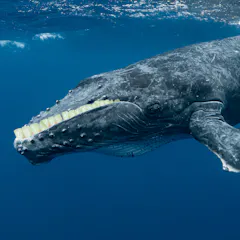
It’s all based on their diet and how they capture their food. But did you know some whales do have teeth?
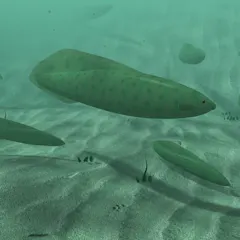
A biologist explains how researchers nail down the age of ancient fossils thanks to a physical process called radioactive decay.

A physicist explains how atoms arrange themselves into molecules – and how scientists are able to image these tiny bits of matter that make up everything around you.

The core principle of education is to enable students to become kind, giving and contributing members of their community and the world.
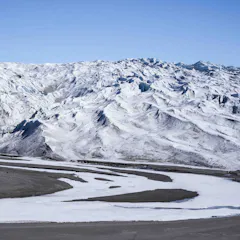
The Earth has had at least five major ice ages, and humans showed up in time for the most recent one. In fact, we’re still in it.
Top contributors
-

Reader in Astrophysics, Keele University
-
Associate Professor of Science & Medicine, Bond University
-
Professor (Astrophysics), University of Southern Queensland
-
Associate Dean of Innovation and Engagement, Swinburne University of Technology
-
PhD Candidate, University of Southern Queensland
-
Distinguished Professor Emeritus of Anthropology, Binghamton University, State University of New York
-
Professor, Philosophy of Science, The University of Melbourne
-
Professor, Macquarie University
-
Researcher, The University of Melbourne
-
Assistant Professor of Medicine, Bond University
-
Professor of Science Communication and Chemistry, University of Hull
-
Lecturer, University of Southern Queensland
-
Associate Professor, School of Animal and Veterinary Science, Adelaide University
-
Principal Lecturer in Wildlife Conservation, Nottingham Trent University
-
Whale Scientist and Lecturer, Faculty of Science and Engineering, Macquarie University