

The time, energy and skills needed to verify AI’s answers to your queries can erase any productivity gains that the technology provides.
Articles on Cognitive health
Displaying 1 - 20 of 41 articles

Offering daily recess to young children and teenagers alike can help strengthen students’ executive functioning skills, focus and creativity, among other benefits.

The brain needs a lot of energy. Without a sufficient supply, mood and mental health may be affected.

Drinking is partly a brain-regulated behaviour: the brain detects changes in the body’s fluid balance, generates thirst and helps translate that signal into seeking and drinking water.

Reading draws on brain systems involved in language and imagination. Studies are exploring how it relates to wellbeing and understanding others.

Understanding the technological shift from a literary to a post-literary society is crucial for rethinking AI’s place in learning environments.

Novel treatments include mental exercises to boost cognitive function, as well as strategies that help people with schizophrenia understand the emotions of others.

Kidney disease is often associated with dialysis or transplants, but it also affects memory and concentration, and increases stroke risk.

As schools focus more on evidence-based reading instruction, less time is available for children to practice reading for pleasure.

New study of older adults in Sweden suggests healthier diets may still be linked to lower dementia risk even after early biological changes are detected.

Researchers need more than memory tests to assess whether supplements affect the brain.

Music has value in dementia care, but re-envisioning its role beyond treatment involves engaging individuals in music experiences that foster self-expression, identity and meaningful interactions.

Recent headlines have raised concerns about allergy tablets. The evidence is more nuanced than it first appears.

Bilingualism may interact with verbal memory and sex steroids to influence dementia risk in unexpected ways.

The gain isn’t huge, but it’s a notable improvement – similar to what people experience when they start exercising more.

Nicotine is being rebranded as a wellness tool – but does the science back the hype, or are we just dressing up an old addiction?

Forgetting why you walked into a room isn’t a sign of cognitive decline. It’s your brain doing exactly what it evolved to do.

Creatine may benefit women’s muscle, bone and cognitive health.
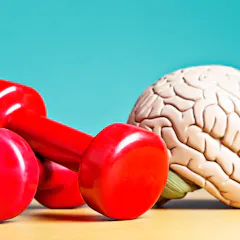
Challenging the brain by exposing it to new situations, tasks and skills can improve its efficiency, much like strength training does for our muscles. But maximum efficiency requires optimal rest.

Two decades after the Women’s Health Initiative study, evolving research on menopause hormone therapy is shedding new light on women’s brain health.
Top contributors
-

Professor of Chemistry and Senior Scientist of the Krembil Research Institute, University Health Network, University of Toronto
-
Professor, Cumming School of Medicine, University of Calgary
-
Medical Science Master's Student, University of Calgary
-
Research Data Scientist at Hotchkiss Brain Institute, University of Calgary
-
Professor of Clinical and Health Psychology, University of Florida
-
Clinical Epidemiologist, Washington University in St. Louis
-
Associate Professor of Nursing & Public Health, Gonzaga University
-
Associate Professor, Grady College of Journalism and Mass Communication, University of Georgia
-
Associate Professor and Schlegel-UW Research Chair in Dementia and Active Living, Department of Kinesiology and Health Sciences, University of Waterloo
-
Professor, Faculty of Health Sciences, L’Université d’Ottawa/University of Ottawa
-
Affiliate Professor, Department of Family Medicine, McGill University
-
Associate professor, École normale supérieure de Rennes
-
PhD Candidate in Clinical and Health Psychology, University of Florida
-
Associate Professor of Neurology, University of Pittsburgh
-
Professor of Literacy, Language and Culture, University of Maine