
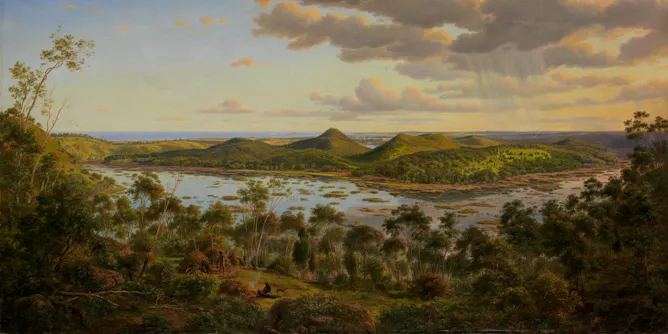
From oyster reefs to bandicoot grasslands, many Australian ecosystems no longer exist. Restoring nature is a good goal – but we cannot return to the past.
Articles on Biodiversity
Displaying 21 - 40 of 1190 articles
We should not wait for perfect certainty. It’s time to act before catastrophe.
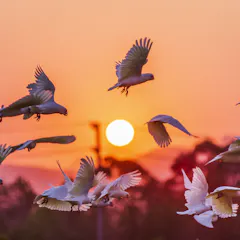
As a lethal bird flu spreads in Australian wildlife, it can be easy to think nothing can stop it. That’s an error – much can be done.
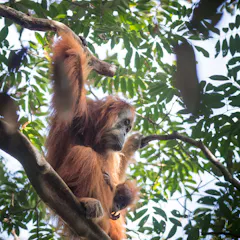
Multiple pressures are acting simultaneously in threatening Tapanuli orangutan — from extractive industries to logging to agricultural expansion and, increasingly, climate-related disasters.
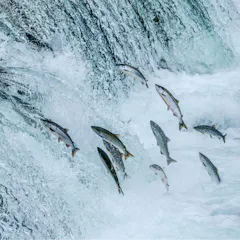
Biodiversity policies fail because governments lack the safeguards, accountability mechanisms and political commitment needed to implement them consistently.
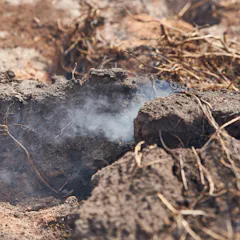
These ancient wetlands are wildlife hotspots and crucial carbon stores.
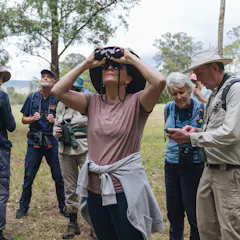
Scientists and authorities are increasingly calling for help from citizen scientists to track species and changes.

Four experts explain how we can protect the rare – and increasingly at risk – spidery wattle.
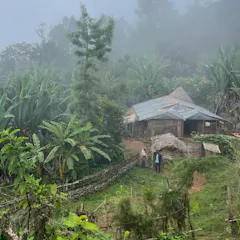
Ethiopia’s protected areas conserve almost 10% of the country, but new research has found that people living near nature reserves may be more likely to go hungry.
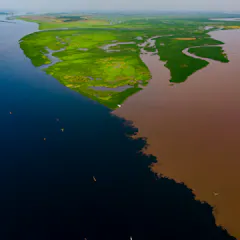
Ancient carbon is leaking from two lakes in the Congo Basin, revealing a previously unknown link between tropical peatlands and the atmosphere.
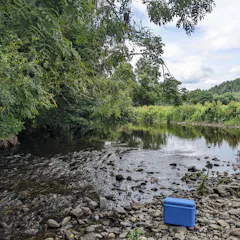
Environmental DNA contained in a small sample of water, sand or even air can reveal the presence of people, wildlife and pathogens, helping researchers track where they’ve migrated.
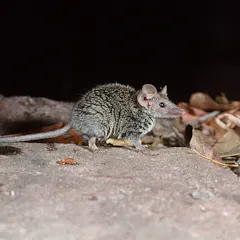
Using sophisticated genetic technology and 100-year-old museum specimens, we uncovered a new planigale species.
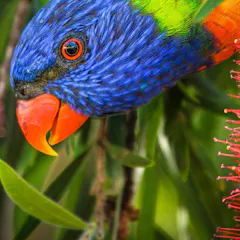
Long-term studies by citizen scientists help us understand changes in nature
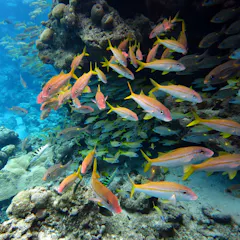
So far, about 10% of the ocean has formal protection as countries work toward the 30x30 goal, but many areas are still protected on paper only.
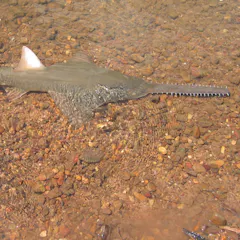
If you’re a tiny prawn, barramundi or rare sawfish in a northern Australian gulf, you can’t easily swim south to escape the heat.

The intiative looks to reduce glare and introduce lighting that is less disruptive to wildlife.
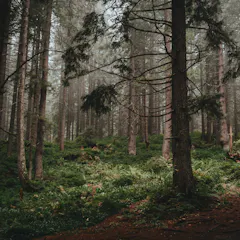
While some progress has been made since these goals were established in 2017, it is uneven. Only seven of the 26 targets have been broadly met.
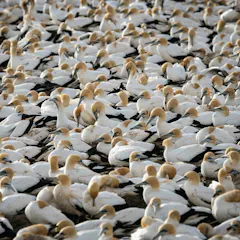
The use of artificial intelligence tools is among the top emerging issues in biodiversity conservation.
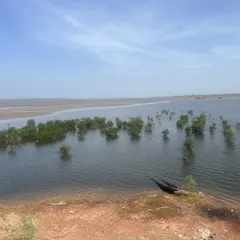
Nature-based solutions like mangrove restoration are key to climate action, but weak monitoring can overstate carbon storage, creating ‘ghost carbon’.
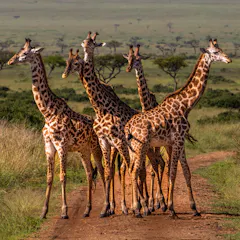
Even now, in an age of satellites and genome sequencing, the Earth still holds secrets.
Top contributors
-

Professor in Wildlife Ecology and Conservation, School of Life & Environmental Sciences, Deakin University
-
Professor in Conservation Science, School of the Environment, The University of Queensland
-
Professor, Urban Ecology and Biodiversity, The University of Melbourne; RMIT University
-
Distinguished Professor of Ecology, Fenner School of Environment and Society, Australian National University
-
University Fellow in Biodiversity, Charles Darwin University
-
Professor of Conservation Biology, Charles Darwin University
-
Professor in Conservation Science, School of Ecosystem and Forest Science, The University of Melbourne
-
Professor of Conservation and Sustainable Livelihoods, Charles Darwin University
-
Distinguished Research Professor and Australian Laureate, James Cook University
-
Professor of Environmental Management, The University of Queensland
-
Senior Lecturer, Public Sector Management, School of Business, UNSW
-
Professor, Conservation Biology, The University of Queensland
-
Lecturer, School of Environment and Science, Griffith University
-
Professor, TC Beirne School of Law, The University of Queensland
-
Ecologist and Researcher, Flinders University