
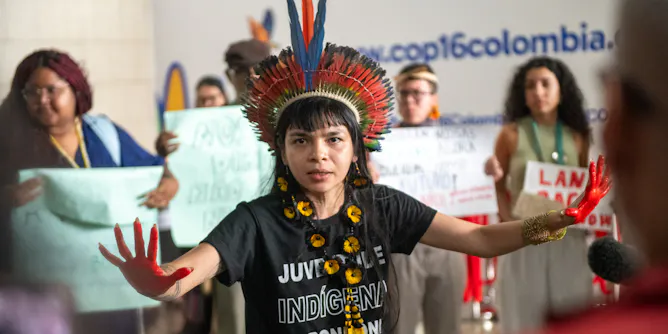
Targets to restore global biodiversity were not accompanied by concrete plans for action or the financial commitments that many at Cop16 were hoping for.
Articles on Biodiversity
Displaying 201 - 220 of 1178 articles
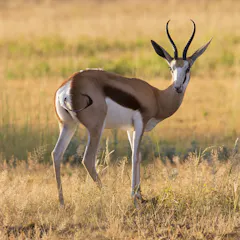
Almost half of those surveyed couldn’t name a single national symbol. They are used to forge a national identity in many countries.
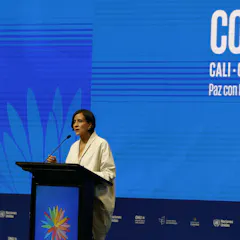
While governments at COP16 make glacial progress on protecting nature, what billions of people choose to do individually can add up to make a big difference.
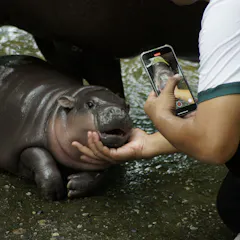
Moo Deng is a celebrity now. But 80% of her native forest has been lost.

Faced with the collapse of biodiversity, there is an urgent need to protect the genetic diversity of species. But to preserve fruit trees, seed banks are not enough.
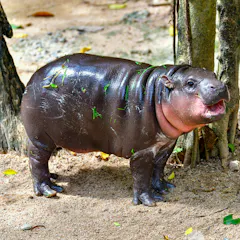
Deforestation has cast Moo Deng’s wild relatives into a hostile landscape of cocoa farms and mines.

Bringing the natural world back from the brink is more urgent than ever. Nature-positive policies offers a way to do so – if done properly.

Rainforest is fast being turned into cattle ranches.

Tree and bird diversity has been linked to a number of positive mental health outcomes. It is time that urban planners interested in human well-being take biodiversity into account.
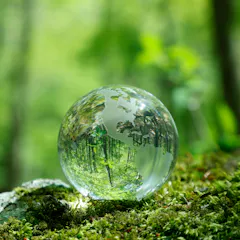
Nature loss is as critical to national economies as climate change.
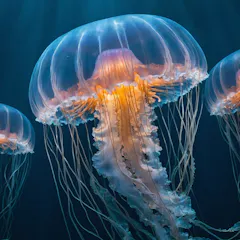
Since 2022, the network of global ocean-protected areas has grown by only 0.5% to 8.3%.

The invasive spiny water flea is spreading fast across Canada. Awareness is key to curtailing its growth.

Biodiversity credits could unlock new funding for nature restoration. But if this happens without consideration of Indigenous data sovereignty, it could create a new form of colonialism.
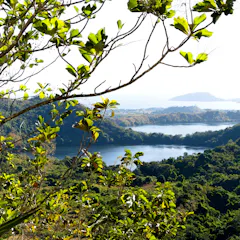
Islands cover just 5.3% of the world’s land area, but contribute disproportionately to global biodiversity, according to research published in Nature.
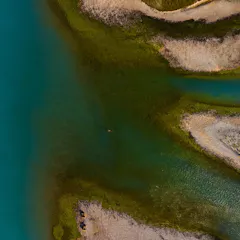
There are some hopeful signs of transformative change to conserve and restore nature but tangible steps need to be taken to ensure progress.

We’re discovering more species of richly coloured peacock spiders all the time. But their small ranges puts them at very real risk. One species faces likely death by suburban sprawl.

Climate change, biodiversity loss and resource depletion are not isolated problems — they are part of an interconnected web of crises that demand urgent and comprehensive action.

In the 1940s, RAAF planes took aerial photographs of the Great Sandy Desert, capturing something valuable: the patterns of burning performed by our ancestors over generations.
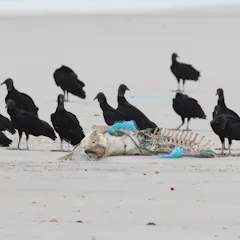
The average size of monitored wildlife populations has shrunk by 73% since 1970.
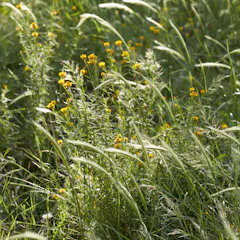
A project in Melbourne’s Royal Park has proved city parks and streets can be used as sites for nature repair that help endangered ecosystems and species to survive.
Top contributors
-

Professor in Wildlife Ecology and Conservation, School of Life & Environmental Sciences, Deakin University
-
Professor in Conservation Science, School of the Environment, The University of Queensland
-
Professor, Urban Ecology and Biodiversity, The University of Melbourne; RMIT University
-
Distinguished Professor of Ecology, Fenner School of Environment and Society, Australian National University
-
University Fellow in Biodiversity, Charles Darwin University
-
Professor of Conservation Biology, Charles Darwin University
-
Professor in Conservation Science, School of Ecosystem and Forest Science, The University of Melbourne
-
Distinguished Research Professor and Australian Laureate, James Cook University
-
Professor of Conservation and Sustainable Livelihoods, Charles Darwin University
-
Senior Lecturer, Public Sector Management, School of Business, UNSW
-
Professor of Environmental Management, The University of Queensland
-
Professor, Conservation Biology, The University of Queensland
-
Ecologist and Researcher, Flinders University
-
Professor, TC Beirne School of Law, The University of Queensland
-
Lecturer, School of Environment and Science, Griffith University