
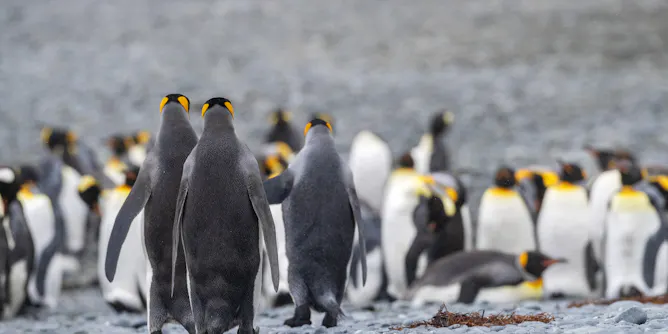
Macquarie Island isn’t just a windswept rock halfway to Antarctica. It’s a globally unique home to dozens of bird and marine mammal species, hence the government’s plans to give it greater protection.
Articles on Antarctica
Displaying 121 - 140 of 417 articles
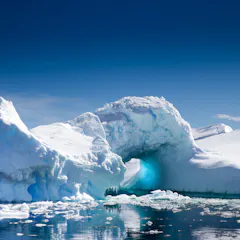
The melting of the Antarctic ice sheet will contribute for a long time to sea level rise, which will test humanity’s capacity to adapt.
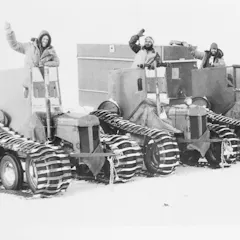
March 2 marks the 65th anniversary of the completion of the Trans-Antarctic Expedition. Intended to demonstrate Commonwealth unity, it became a symbol of Britain’s imperial decline.
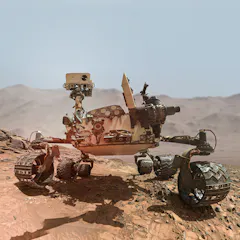
Our Mars rovers might not be sensitive enough to detect signs of life. But lessons from Antarctica might make future missions more successful.
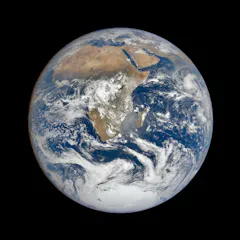
A new image has been taken of the whole Earth 50 years after the first - revealing noticeable changes to its surface.
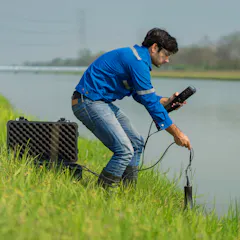
Toxic synthetic chemicals, called PFAS, are a serious threat to humans and wildlife – but many people are unaware of them.

More of us than ever want to see the ice continent. But is the environmental awakening many return with worth the emissions and possible environmental damage?
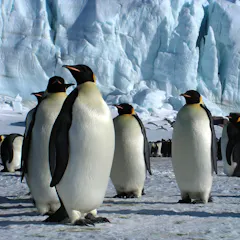
The species at risk include flowering plants, moss and lichens, tough invertebrates and breeding seabirds.
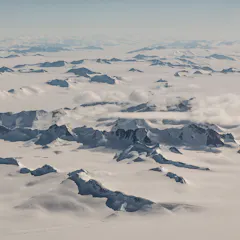
Scientists used satellites to map tens of thousands of glacial landforms in Antarctica’s highest mountains.
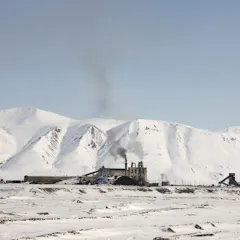
A Pandoravirus has been revived after remaining dormant in the Siberian permafrost for nearly 50,000 years.

Emperor penguins survive in a ‘Goldilocks zone’ between too much sea ice and too little. Climate change is having an impact.
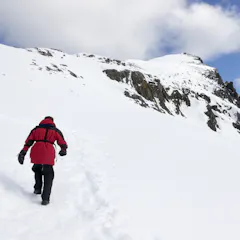
The U.S. Antarctic Program struggles to keep women safe – and through the continent’s history, discrimination and prejudice are rampant.
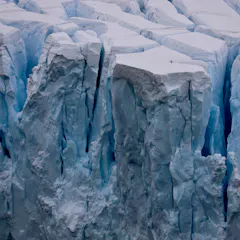
A transcript of an episode of The Conversation Weekly published on September 22, 2022.
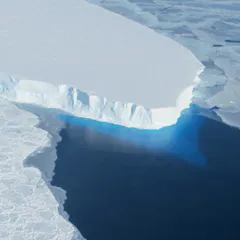
If and when the Thwaites Glacier melts, it will result in nearly 0.6 metres of sea level rise, but it holds back another three metres of sea level rise lurking within the Antarctic continent. Listen to The Conversation Weekly podcast.
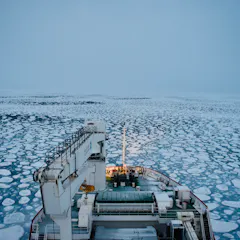
The place where oceans turn into ice holds the key to understanding some of the complex interactions of Earth’s climate. Thankfully, we’re making progress.
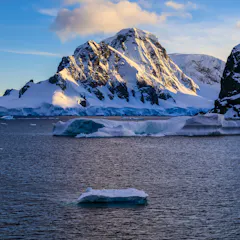
Southern Ocean heat uptake accounts for almost all the planet’s ocean warming, thereby controlling the rate of climate change.
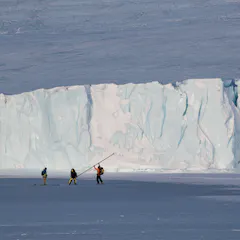
A recent report reveals 72% of women stationed in Antarctica have experienced sexual harassment. This is a shockingly high number – but change is possible.
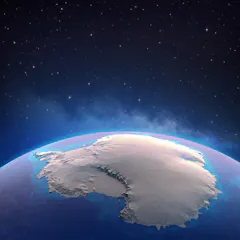
But new research offers some hope if we are able to keep climate change under control.
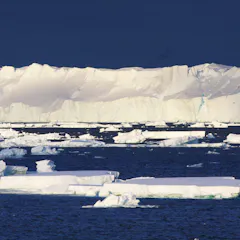
Antarctica’s ice shelves have helped insulate it from dangerous levels of ice loss. But this is changing.
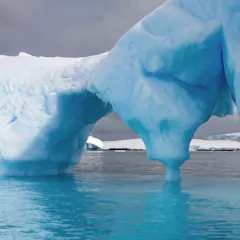
The findings underscore the urgency of limiting global warming to below 1.5°C, to avert the most catastrophic climate harms.
Top contributors
-

Adjunct Professor, Institute for Marine and Antarctic Studies, University of Tasmania
-
Professor of Antarctic Studies, School of Humanities, University of Tasmania
-
Pro Vice-Chancellor of Research, University of Technology Sydney
-
Director of the ARC Centre of Excellence for Our Future Oceans and Scientia Professor in Oceanography, UNSW
-
Professor of Astrophysics, UNSW
-
Adjunct Senior Lecturer, University of Tasmania
-
Professor in Ocean Physics, University of Auckland, Waipapa Taumata Rau; Earth Sciences New Zealand
-
Chief Scientist, Australian Antarctic Division and Professor of Climate Science, Australian National University
-
Assistant Professor of History, Texas Tech University
-
Senior lecturer, Institute for Marine and Antarctic Studies, University of Tasmania
-
Australian Laureate Fellow, Distinguished Professor, Deputy Director of ARC Securing Antarctica's Environmental Future (SAEF), University of Wollongong
-
Honorary Senior Fellow in Ecology, University of Wollongong
-
Professor of Polar Geodesy and ARC Laureate Fellow, University of Tasmania
-
Antarctic Law Researcher, Institute for Marine and Antarctic Studies and the Antarctic Climate and Ecosystems CRC, University of Tasmania
-
Director, Securing Antarctica's Environmental Future and Professor of Biological Sciences, Monash University